From the file. Written for the paper dated July 2007. Opened in the public stacks July 14, 2026.
In a political climate that reverberates with hyperbole and noise, the mechanisms of governance often fade into the background. As both sides of the aisle engage in their own brand of theatrics, we must remind ourselves of the importance of process over performance.
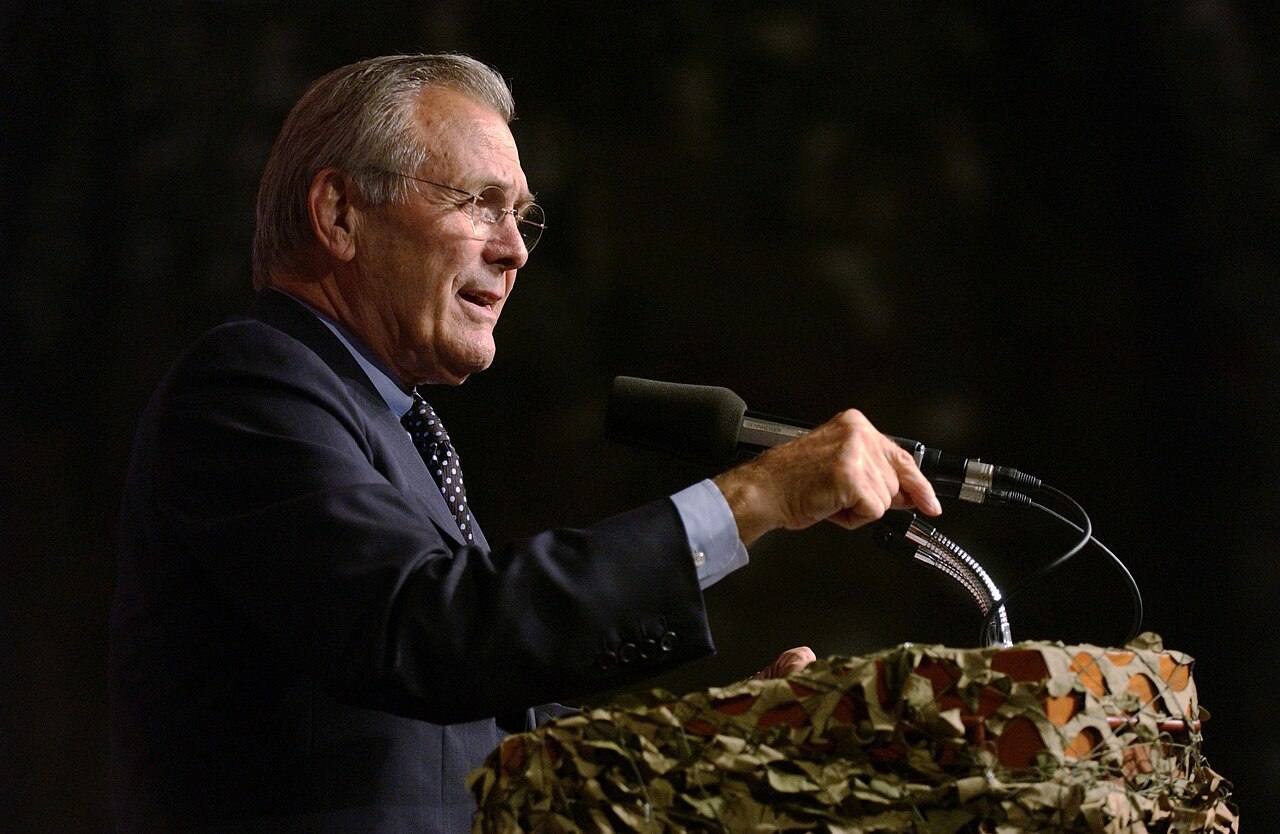
The Politics of Spectacle
In recent weeks, we have witnessed the spectacle of the political process unfold with all the fervor of a summer blockbuster. From the fervent debates on healthcare to the contentious discussions surrounding the war in Iraq, it seems that the emphasis has shifted from effective governance to the performance art of politics. This obsession with spectacle, however, often leads to a neglect of the very processes that are designed to create meaningful change.
The left, buoyed by a desire for progressive reform, often engages in what can only be described as a frenzy of proposals that sound good on paper but lack the nuanced understanding of how to implement them. The push for universal healthcare, for instance, is a commendable goal, but when it is presented without a clear and practical strategy for execution, it becomes little more than a talking point rather than a tangible solution. The clamor for immediate change can drown out the rational discourse needed to create a sustainable path forward.

On the other side, the right has not been immune to this trend. The relentless focus on partisan victories and the demonization of opponents have become standard fare. The so-called “war on terror” has been framed as a black-and-white issue, reducing complex geopolitical realities into sound bites that serve only to inflame passions rather than inform. The insistence on a unilateral approach to foreign policy demonstrates a failure to engage with the multifaceted nature of international relations, where process and diplomacy are often more effective than bravado.
Process: The Boring Backbone of Governance
At the heart of effective governance lies the often-unseen process that makes performance possible. This includes everything from legislative procedures to public consultations and negotiations. It is the boring, tedious work that lays the groundwork for meaningful decisions. Yet, as the noise of political posturing drowns out these essential elements, we risk losing sight of what truly matters.
Take, for example, the current discussions on climate change. While it is crucial to have passionate advocates for environmental policy, we must not overlook the importance of a comprehensive approach that involves scientific input and bipartisan support. Proposals must be built on robust data and realistic projections, not merely ideological fervor. Only then can we hope to craft policies that are effective and enduring.
“The obsession with spectacle often leads to neglect of the very processes that create meaningful change.”
Moreover, the media plays a significant role in perpetuating this cycle. The 24-hour news cycle thrives on drama and sensationalism, often prioritizing eye-catching headlines over substantive reporting. This creates an environment where politicians feel compelled to perform rather than engage in the hard work of governance. When the news focuses on the personalities involved rather than the processes at play, the public is left with a distorted view of how decisions are made.
Bridging the Divide
To bridge the divide between process and performance, both sides of the political spectrum must be willing to engage in a more constructive dialogue. The left must acknowledge that ambitious goals require a thoughtful approach that considers the practicalities of implementation. The right, conversely, must recognize that effective governance requires collaboration and compromise rather than rigid adherence to ideology.
As citizens, we also have a role to play. We must demand more from our leaders than mere performative displays. Engaging with the processes that underpin policy-making can empower us to hold our representatives accountable. This means attending town hall meetings, participating in public forums, and advocating for transparency in government operations.
Ultimately, the challenge lies in shifting the narrative away from the immediate gratification of performance towards the long-term benefits of a well-functioning process. As we navigate the complexities of our political landscape, let us remember that the true measure of leadership is not in the grandstanding but in the ability to enact change through diligent and effective governance.
Conclusion
In conclusion, while the political stage may captivate us with its drama, we must not lose sight of the mechanisms that drive real change. By prioritizing process over performance, we can foster a political landscape that is more responsive to the needs of the people rather than the whims of spectacle. Let us strive for a future where governance is defined by substance, not style.
✦ ✦ ✦