From the file. Written for the paper dated July 2007. Opened in the public stacks July 14, 2026.
As the debate over immigration continues to dominate headlines, the mechanics behind border policy often go unnoticed. This week, we delve into the intricate workings of border policy, revealing the complex systems that support the louder rhetoric.
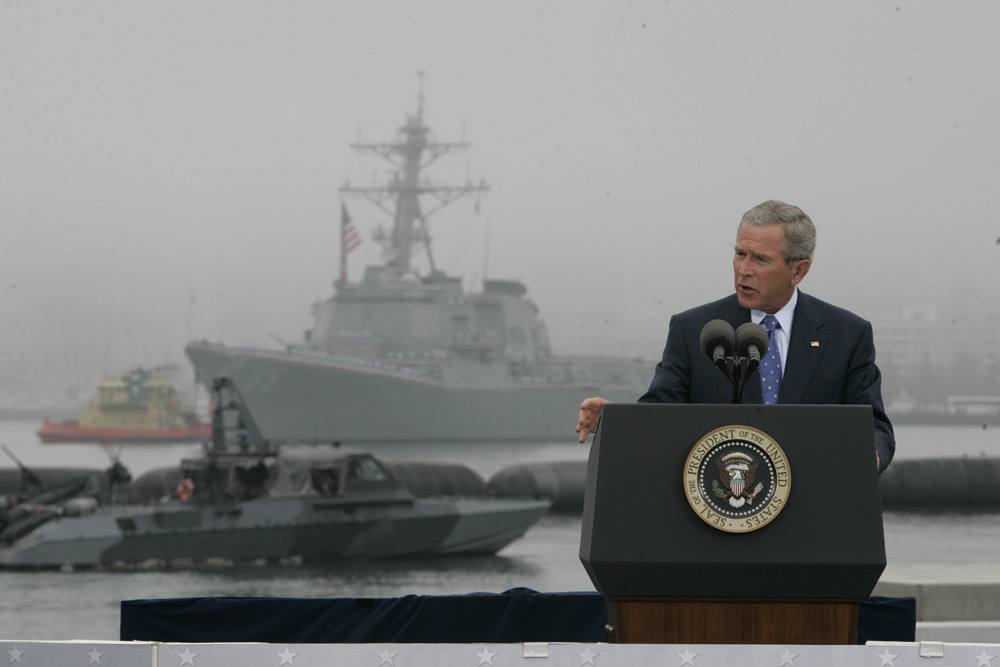
The Machinery of Border Policy
The immigration debate is rife with hyperbole and exaggerated claims, often overshadowing the actual policies and procedures that govern our borders. As politicians on both sides of the aisle engage in the war of words, it is crucial to strip away the noise and examine the underlying mechanisms that shape our border policy.
At the core of border policy is the Department of Homeland Security (DHS), which was established in response to the September 11 attacks. The DHS oversees various agencies, including Customs and Border Protection (CBP) and Immigration and Customs Enforcement (ICE), that work together to enforce immigration laws and secure the nation’s borders. However, the challenges these agencies face are significant and multifaceted.
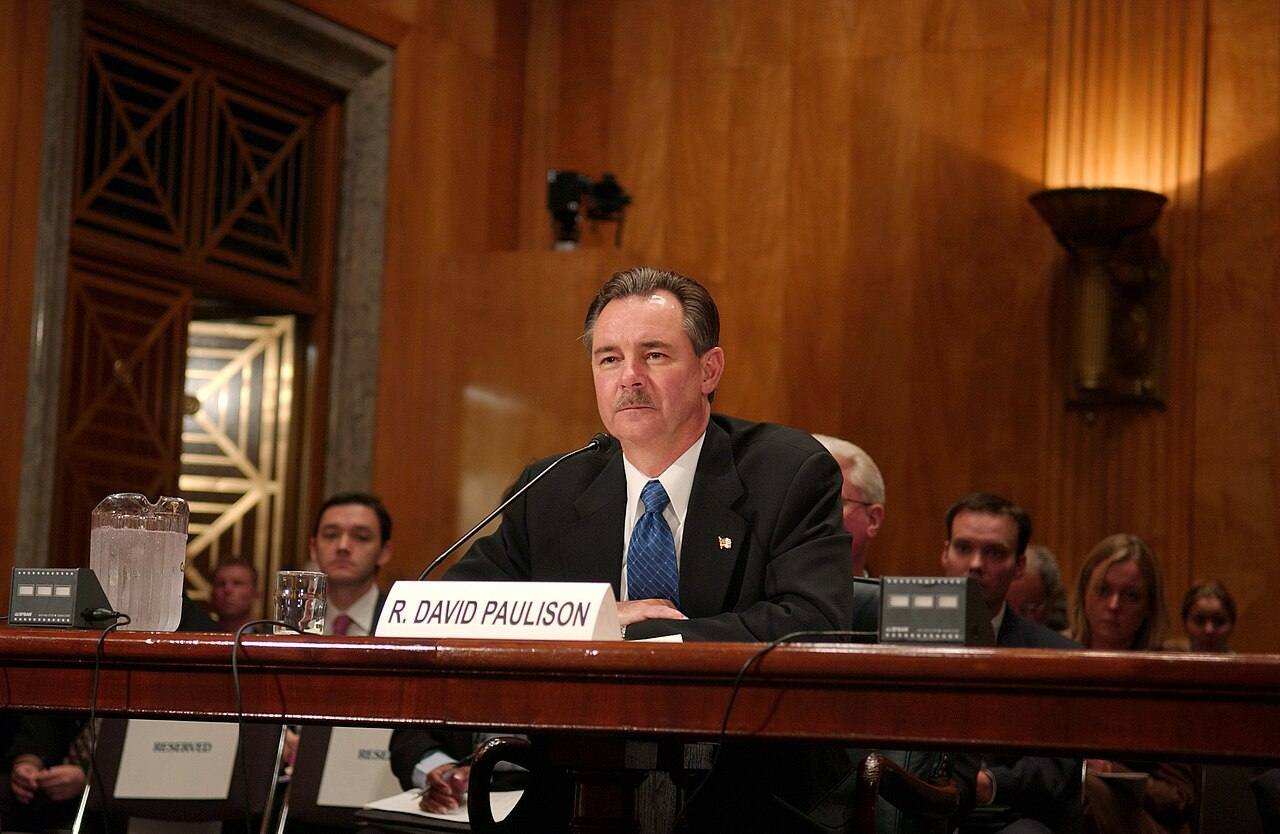
For starters, the U.S.-Mexico border spans nearly 2,000 miles, presenting logistical challenges that make effective enforcement exceedingly difficult. While the government has invested heavily in physical barriers and surveillance technology, critics argue that these measures are often ineffective and misallocated. The lack of comprehensive immigration reform has only compounded these issues, leaving agents to grapple with an outdated system that fails to address the realities of modern immigration.
“The border is not just a line on a map; it’s a complex, dynamic environment that requires a nuanced approach.”
On the left, immigration advocates stress the need for humane treatment of undocumented immigrants and often call for a path to citizenship. However, this perspective can sometimes overlook the necessity of robust border security measures. The rhetoric can become so focused on compassion that it fails to acknowledge the practical challenges of managing a porous border.
Conversely, conservatives often push for stricter enforcement and increased funding for border security but can neglect the human aspect of immigration issues. Their calls for more walls and patrol agents may resonate with their base, but they risk alienating moderate voters who seek a balanced approach. The political extremes on both sides create a situation where meaningful dialogue becomes nearly impossible.
Furthermore, the role of local law enforcement in immigration matters adds another layer of complexity. The 287(g) program allows local police to enforce immigration laws, blurring the lines between community policing and federal immigration enforcement. While some argue this promotes public safety, many communities have reported a chilling effect on crime reporting among immigrant populations. This tension highlights the need for a more thoughtful integration of local and federal policies.
In addition to these operational challenges, the economic implications of border policy cannot be ignored. The agricultural sector, for example, relies heavily on immigrant labor, and a sudden increase in enforcement could have significant repercussions for food production. Policymakers must grapple with the reality that any substantial changes to border policy will resonate through various sectors of the economy.
The ongoing debate over border policy has become a litmus test for broader ideological divides in American politics. Yet, as we scrutinize the mechanisms at play, it becomes clear that a moderate, balanced approach may yield more sustainable solutions. The current climate of extreme partisanship often results in policies that are reactionary rather than pragmatic.
As we move forward, it is imperative that lawmakers engage in open dialogue, striving to understand the complexities of border policy rather than resorting to soundbites. Only through collaboration can we hope to craft policies that are effective, humane, and reflective of our national values.
A Call for Cooperation
In an era of polarized politics, the path to effective border policy must begin with a commitment to cooperation. Both sides of the aisle must acknowledge the importance of security while also recognizing the fundamental human rights of those seeking a better life. This balancing act is not only crucial for the well-being of immigrants but also for the integrity of our national identity.
As we continue to engage in the immigration debate, let us remain mindful of the mechanics that govern our policies. It is through understanding these systems that we can develop solutions that not only address immediate concerns but also pave the way for a more comprehensive approach to immigration in America.
✦ ✦ ✦