From the file. Written for the paper dated June 2007. Opened in the public stacks July 14, 2026.
The recent public lab open house offered a unique glimpse into the world of scientific inquiry, revealing not only the research being conducted but also the societal implications of such work. As the public engages with science, we must consider the balance between evidence and identity.
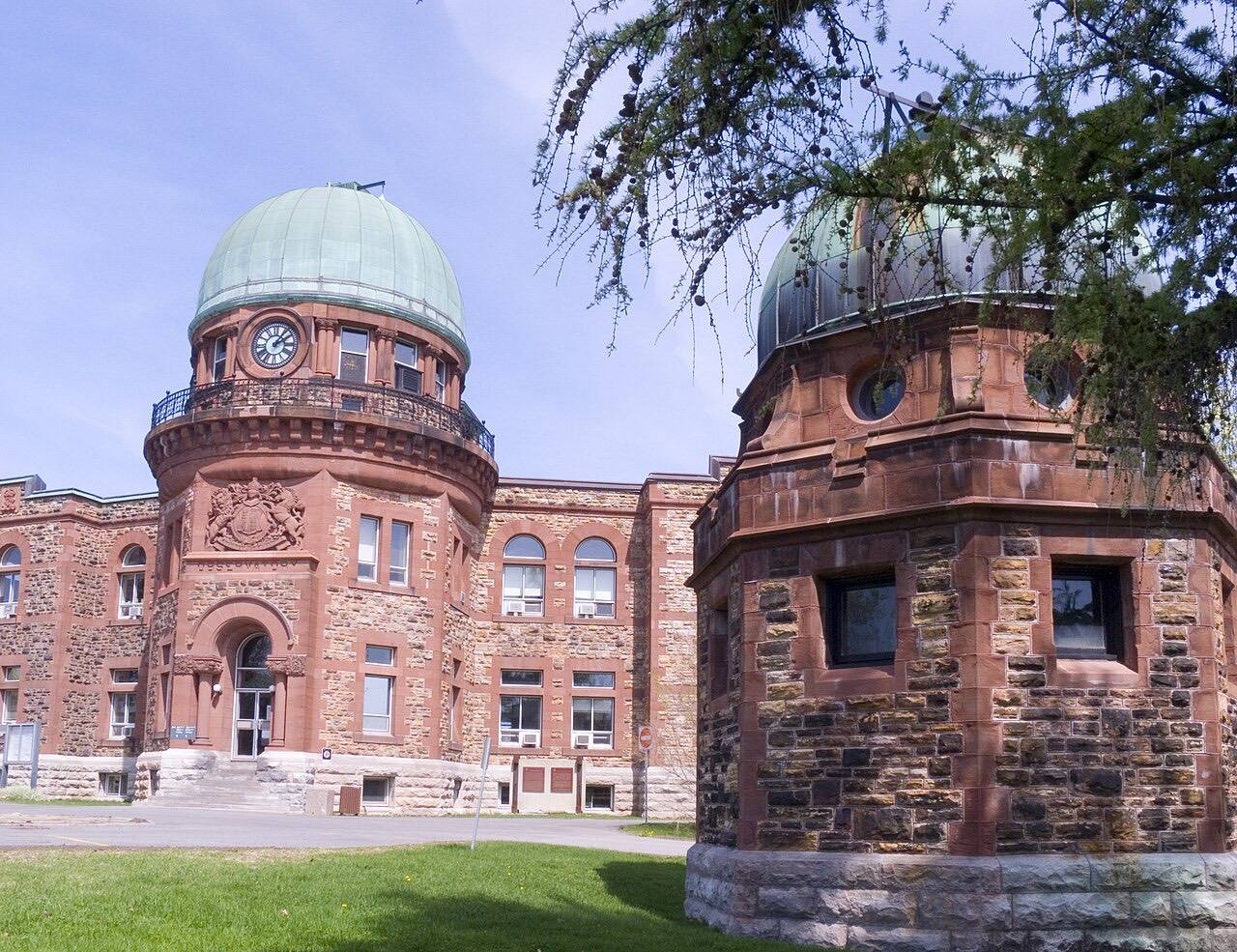
A Showcase of Innovation
The open house was a vibrant display of ongoing research projects, showcasing everything from environmental science to biomedical advancements. Lab representatives eagerly explained their work, inviting visitors to ask questions and interact with the exhibits. This initiative was a commendable effort to bridge the gap between scientists and the public, promoting transparency and understanding in the scientific process.
However, while the event was a step in the right direction, it also illustrated the growing divide in how scientific information is perceived across the political spectrum. On one hand, scientists strive to base their work on empirical evidence; on the other, public reception is often influenced by identity politics rather than the facts presented.

Identity Politics at Play
The left often champions causes that align with progressive values, such as climate change research and public health initiatives. Yet, in their enthusiasm, there can be an inclination to oversimplify complex scientific data to fit a narrative. This approach risks alienating individuals who might otherwise support these initiatives but feel marginalized by a one-size-fits-all message.
Conversely, the right frequently emphasizes skepticism towards scientific findings, particularly when they conflict with established economic interests or challenge traditional beliefs. This skepticism can lead to a dismissive attitude toward significant scientific evidence, undermining the credibility of research that could greatly benefit society.
"We need to find common ground in the pursuit of truth, rather than allowing our identities to dictate our acceptance of evidence."
The Need for Nuance
As scientific inquiry continues to evolve, so must our approach to public discourse. The open house served as a reminder that science is not merely a collection of facts; it is a process driven by inquiry, skepticism, and a commitment to understanding the world around us. While it is essential to advocate for scientific integrity, we must also engage with the public in a manner that respects diverse viewpoints.
This engagement requires a commitment from both sides of the political aisle. The left must refrain from treating scientific findings as absolute truths that must be accepted without question, while the right should acknowledge the validity of scientific expertise and the importance of research in informing policy decisions. Only through mutual respect and open dialogue can we foster a culture that values evidence without allowing identity politics to overshadow the realities of scientific inquiry.
Bridging the Divide
To truly benefit from the advancements in science, society must find ways to bridge the ideological divide. Educational initiatives that emphasize critical thinking and scientific literacy are essential in this regard. Schools and communities should prioritize science education that not only focuses on the facts but also teaches students how to engage critically with information and understand the scientific method.
Moreover, public labs should continue to hold open houses and similar events, encouraging dialogue with the community. By creating spaces for discussion, scientists can demystify their work and make it more accessible to those outside the academic world. This effort can help dissipate the misconceptions that often lead to distrust and division.
A Call for Collaboration
The challenges we face in reconciling evidence with identity are significant, but they are not insurmountable. Scientists, policymakers, and the public must work collaboratively to ensure that scientific research informs decision-making in a way that serves the common good. This collaboration will require humility, an openness to dialogue, and a commitment to understanding the complexities of both science and society.
As we reflect on the recent public lab open house, let it serve as a catalyst for ongoing conversation. By acknowledging the interplay between evidence and identity, we can foster an environment where science thrives, and the public feels empowered to engage with it meaningfully.
✦ ✦ ✦