From the file. Written for the paper dated May 2007. Opened in the public stacks July 14, 2026.
In a political landscape increasingly dominated by rhetoric and image, the emphasis on process over performance has never been more pronounced. As we navigate through May 2007, it's crucial to scrutinize the gap between what is claimed and what is delivered by both sides of the aisle.
The Illusion of Progress
In recent weeks, we've witnessed a barrage of statements from both Democratic and Republican leaders, each proclaiming their commitment to change, accountability, and progress. However, as we peel back the layers of these proclamations, we find that the actual performance often falls short of the lofty promises made from podiums and press releases.
On the left, Democratic leaders have made headlines with their focus on issues like health care reform and troop withdrawal from Iraq. While these topics are undeniably important, the manner in which they are addressed frequently leans more towards political posturing than actionable solutions. The constant calls for investigations into the Bush administration, while certainly warranted in some instances, often serve as a distraction from the pressing needs of constituents. The spectacle of process - hearings and debates - can overshadow the lack of significant legislative achievements.
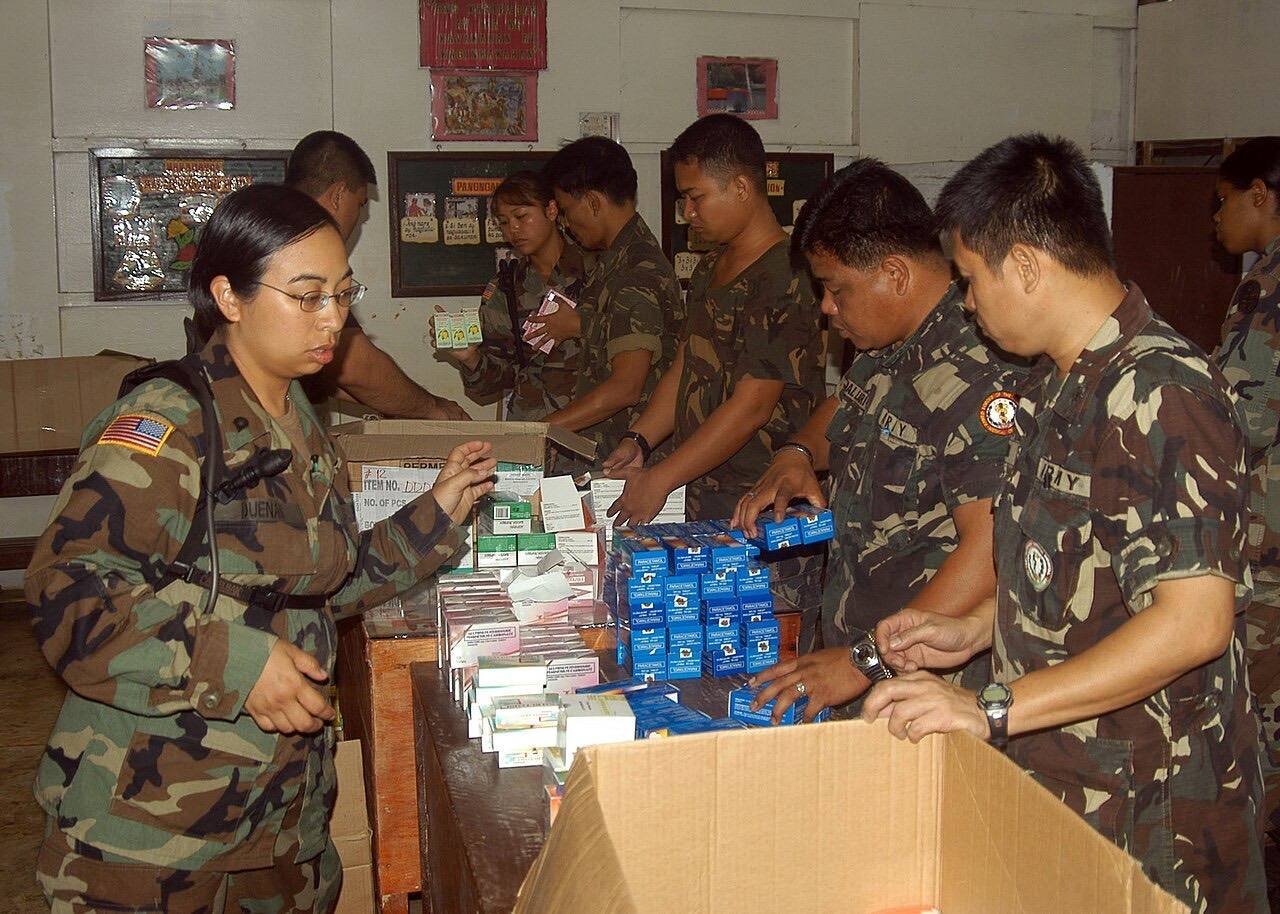
Republicans, on the other hand, have embraced a strategy of maintaining their grip on power by touting the successes of the past while simultaneously spinning narratives that deflect criticism. The administration's handling of the Iraq War continues to be a focal point, with leaders insisting that progress is being made. Yet, the reality on the ground tells a different story. The disconnect between the administration's proclamations and the lived experiences of soldiers and civilians in Iraq is stark. It raises the question: are they working to address these discrepancies, or simply focused on the process of maintaining a narrative?
In politics, the process often takes precedence over real performance, leading to a dangerous cycle where accountability is overshadowed by rhetoric.
The Political Theater
This situation reflects a broader trend in American politics where the theater of governance often eclipses substantive policy-making. The endless cycle of press conferences, sound bites, and staged appearances creates a narrative illusion that can be more compelling than the facts on the ground. Both parties are guilty of this performance art, with the result being a public increasingly disillusioned with the effectiveness of their elected officials.
Voters are left grappling with the realization that promises made during campaigns are not always fulfilled. The process of governance should prioritize tangible results over theatrical displays. Yet, in this era of hyper-partisanship, both Democrats and Republicans seem more invested in winning the political battle than addressing the real issues facing their constituents.
Where Do We Go From Here?
As we move toward the 2008 elections, it is vital for voters to demand more than just clever sound bites and politically motivated investigations. The American public must hold their representatives accountable for performance rather than mere process. This means looking beyond partisan lines and evaluating the actual outcomes of policies and governance.
We need a political environment that incentivizes genuine collaboration and problem-solving rather than one that rewards divisive tactics. The road to recovery from disillusionment is paved with accountability and transparency. Voters must prioritize candidates who demonstrate a commitment to real results over those who excel in the art of political performance.
The Call for Accountability
The upcoming months should serve as a reminder to both politicians and the electorate that the true measure of leadership lies not in the process but in the performance. It is time for American leaders to engage in meaningful dialogue and deliver on the promises they make. Only then can we hope to restore faith in our political system and move toward a future that reflects the needs and desires of the people.
✦ ✦ ✦