From the file. Written for the paper dated March 2007. Opened in the public stacks July 14, 2026.
As the auto industry navigates a complex landscape in March 2007, both political parties are grappling with how best to support a sector that is vital to the American economy while also addressing pressing concerns about environmental sustainability and energy independence.
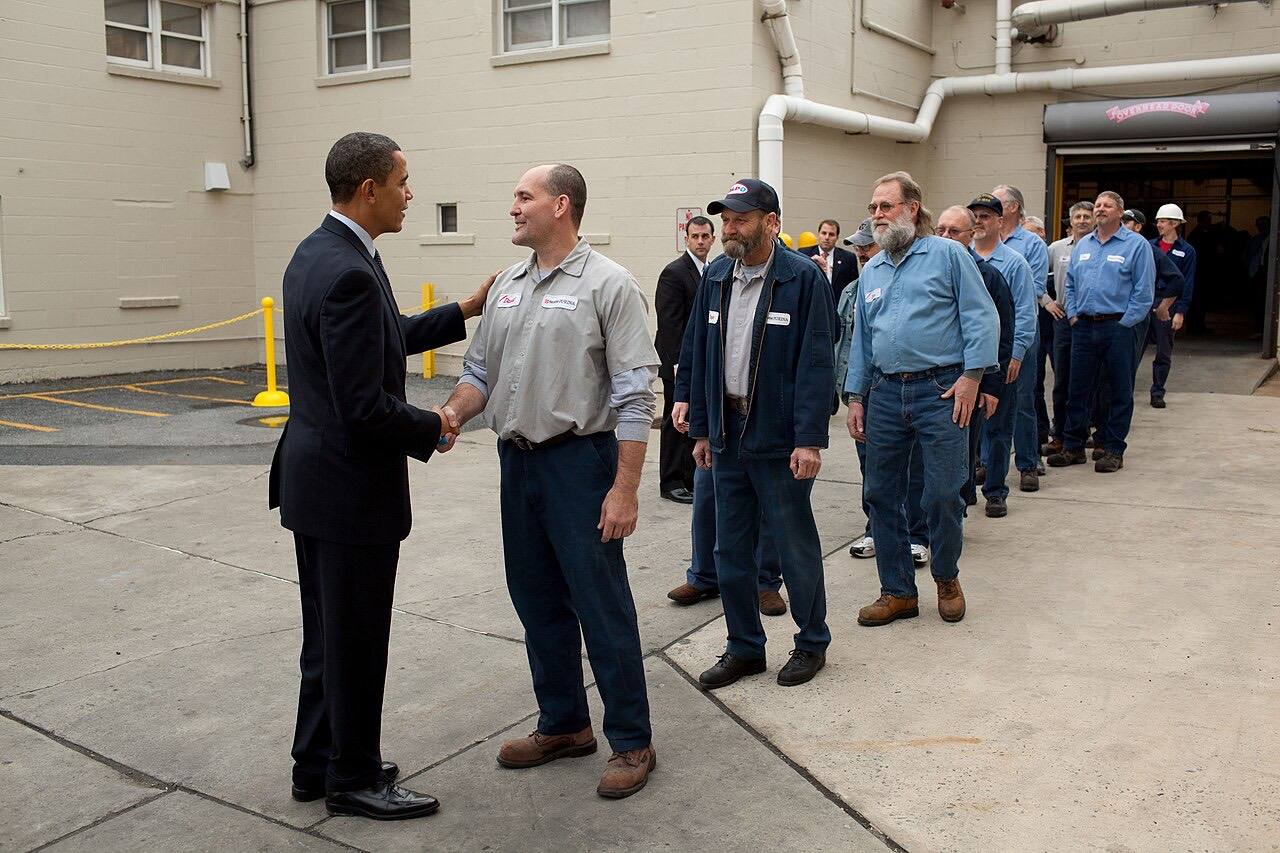
Incentives for Innovation
The ongoing debate in Washington over how to stimulate the auto industry is marked by contrasting approaches from both sides of the aisle. On one hand, Democrats are championing a push for stricter fuel efficiency standards, advocating for an increase in Corporate Average Fuel Economy (CAFE) standards to promote the production of more fuel-efficient vehicles. This approach aims to address environmental concerns while simultaneously reducing dependence on foreign oil.
On the other hand, Republicans are emphasizing the need to maintain the auto industry's economic viability by offering tax incentives for manufacturers who invest in new technologies rather than imposing stringent regulations. They argue that encouraging innovation through financial incentives will ultimately lead to more significant advancements in fuel efficiency and emissions reductions, without jeopardizing jobs in the industry.
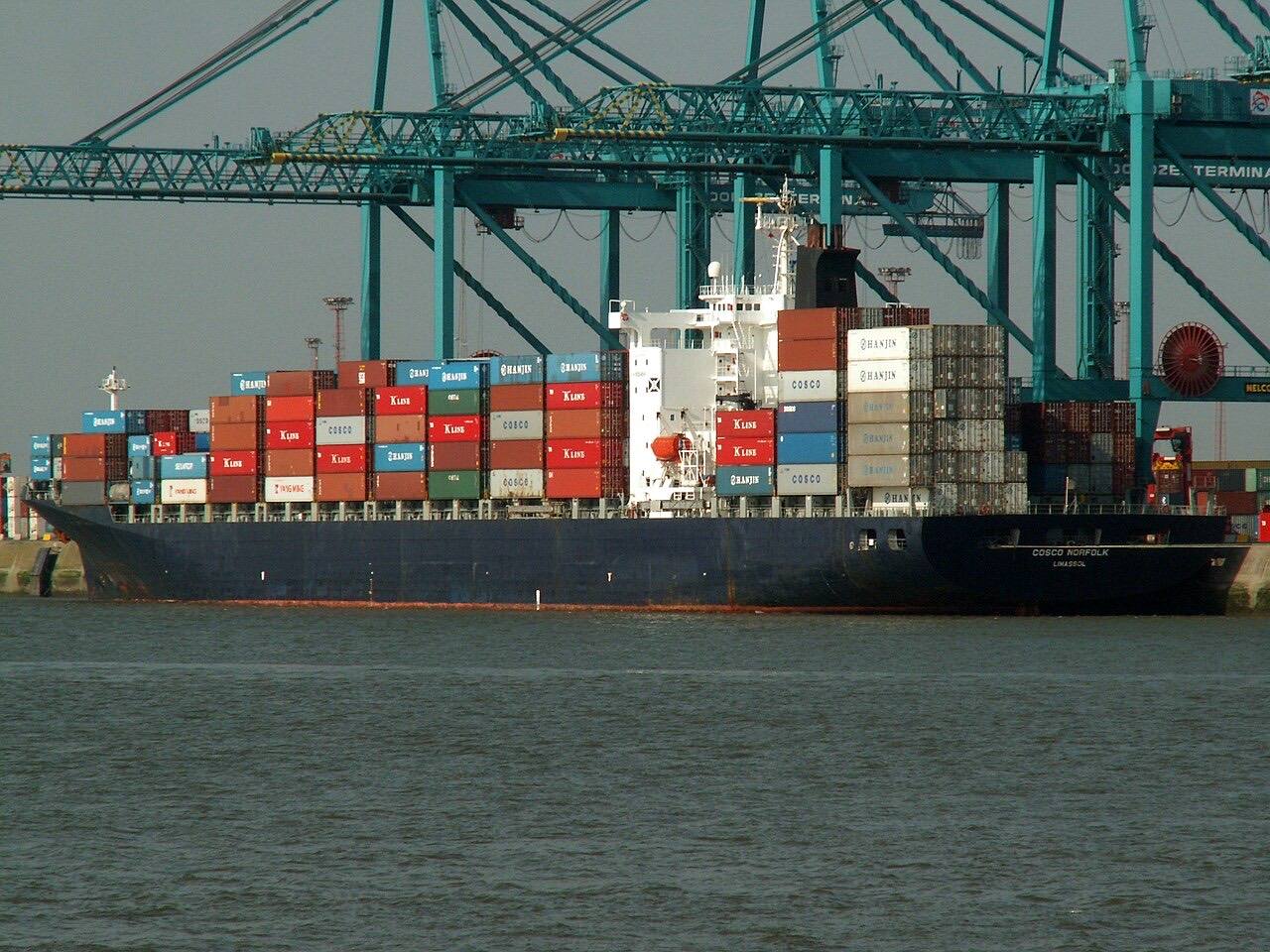
"We must find a balance between innovation and regulation to ensure the auto industry thrives." - A Republican Senator
Environmental Concerns vs. Economic Realities
As the auto industry faces mounting pressure to innovate, the tension between environmental concerns and economic realities becomes increasingly pronounced. Democrats often highlight the urgent need for action on climate change, framing the auto industry as a key player in reducing greenhouse gas emissions. However, their proposals for increased regulations can be perceived as a threat to jobs in an industry that is already struggling with rising costs and competition from foreign automakers.
Conversely, while Republicans focus on maintaining jobs and economic stability, critics argue that their approach may stifle necessary progress in environmental protection. By prioritizing economic incentives over regulations, they risk allowing the industry to lag behind in adopting cleaner technologies, which could ultimately harm both the planet and the economy in the long run.
The Role of Consumer Behavior
Consumer preferences are also playing a crucial role in shaping the auto industry's trajectory. As fuel prices have fluctuated, many consumers have started to gravitate toward smaller, more fuel-efficient cars. This shift has not gone unnoticed by automakers, who are beginning to pivot their strategies in response to changing market demands. However, the question remains: will this consumer behavior be enough to drive the industry toward a more sustainable future without the need for heavy-handed regulations?
The Future of the Auto Industry
As we move forward, the auto industry’s future will likely hinge on a careful balancing act between government regulation and market-driven innovation. The challenge for lawmakers will be to create an environment that encourages technological advancement while also safeguarding jobs and economic stability.
In addition, the ongoing discussions about fuel efficiency and emissions standards may set the stage for a broader national conversation about energy policy. With the threat of climate change looming large in the public consciousness, it is imperative that both parties work together to find common ground that addresses the needs of the auto industry while also promoting a sustainable future.
Conclusion
The debates surrounding the auto industry epitomize the broader ideological divides in American politics today. It is essential that both the left and the right recognize the need for a collaborative approach that prioritizes innovation while addressing environmental concerns. As March 2007 unfolds, the choices made in Washington will undoubtedly have lasting consequences for the future of the American auto industry and the country's energy policy.
✦ ✦ ✦