From the file. Written for the paper dated February 2007. Opened in the public stacks July 14, 2026.
As the 2008 presidential election approaches, discussions around voting machinery have intensified, but essential conversations often get buried beneath partisan rhetoric.
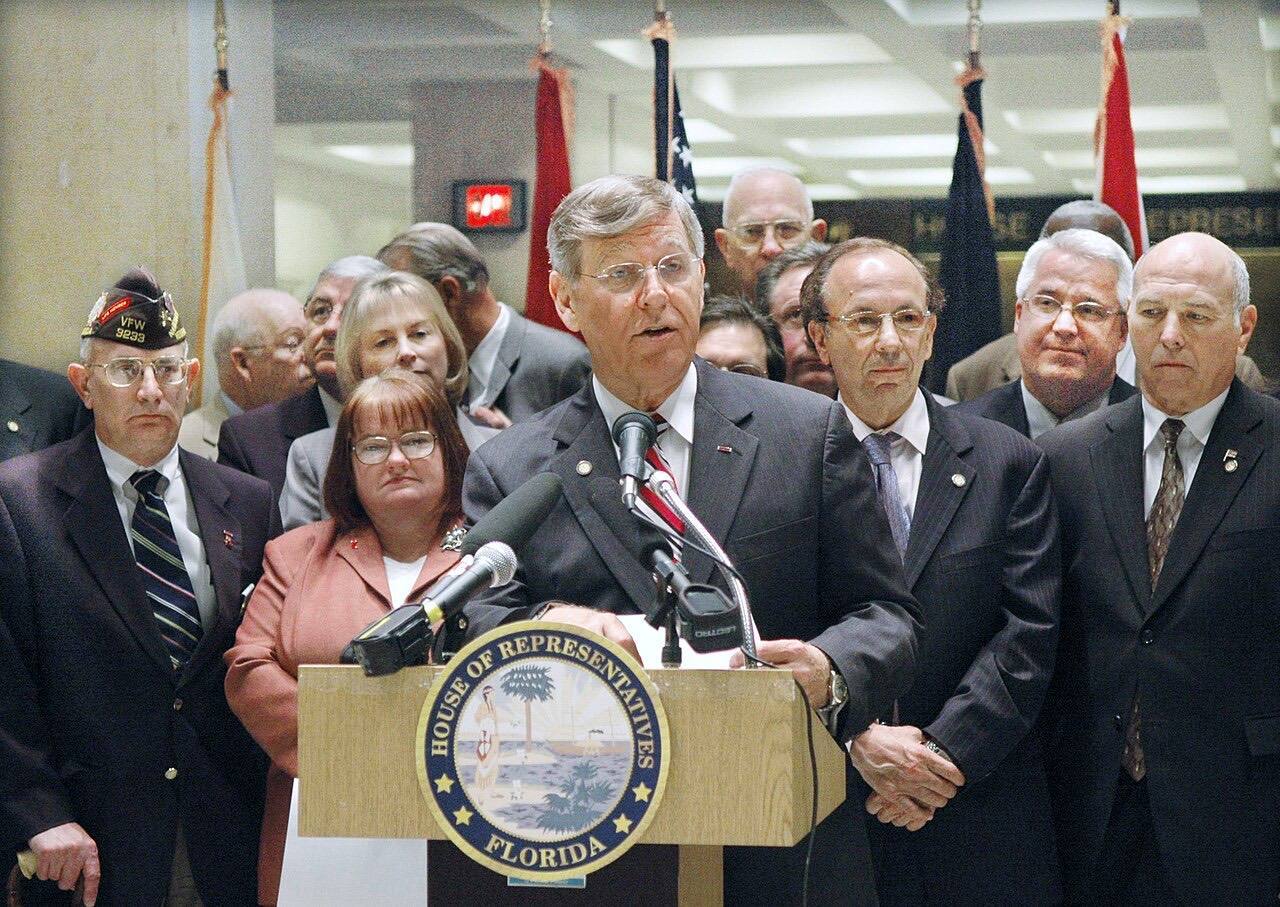
The Unseen Problems
The debate surrounding voting machinery in the United States has reached a fever pitch. With both parties keen to stake their claims, the focus tends to shift toward sensational stories of voter fraud or the integrity of electronic machines. However, what often goes unnoticed are the deeper issues surrounding accessibility, accuracy, and the underlying technology itself that could affect millions of voters.
The Partisan Divide
Both major parties are guilty of exploiting the narrative surrounding voting machinery for their gain. The Right rallies around claims of widespread voter fraud, often using isolated incidents to paint a picture of a compromised electoral system. This has led to calls for strict voter ID laws, which critics argue disproportionately impact minorities and low-income voters.

On the flip side, the Left often emphasizes the need for modern, reliable systems, but fails to address the concerns around the technology itself. While pushing for more funding and federal oversight, they sometimes overlook the fact that many of these machines are outdated and susceptible to technical failures. The irony is palpable: in a rush to secure votes, neither side is taking a holistic view of the problem.
“A democracy relies on the integrity of its voting system, yet both sides seem more interested in winning than ensuring fairness.”
Accessibility: A Hidden Crisis
One of the most critical aspects of voting machinery is accessibility. Many machines are designed without input from disabled voters, leading to a situation where a significant portion of the population faces barriers when trying to exercise their democratic rights. Laws like the Help America Vote Act aim to address some of these issues, but implementation often falls short.
Take the case of an elderly voter who may not have the dexterity to operate a touch screen, or a visually impaired voter who cannot read the small print on ballots. The lack of accessible voting options raises questions about the true inclusivity of our electoral process. Yet, this issue seldom receives the attention it deserves in the heated discussions about voting integrity.
Technological Concerns
The technology behind voting machines is another critical area that deserves scrutiny. Many of these machines operate on outdated software, making them vulnerable to hacking and malfunctions. The lack of transparency surrounding the technology used in these machines is concerning. Voter confidence can erode quickly when citizens are unsure about how votes are counted and whether their choices are secure.
Both parties should prioritize the need for rigorous testing and certification of voting machines. Yet, this essential conversation is often overshadowed by sensational headlines and political maneuvering. A focus on improving the actual technology, rather than merely the political narrative, could lead to a more reliable and trustworthy voting process.
The Future of Voting Machinery
As we approach the 2008 elections, the need for a comprehensive evaluation of voting machinery has never been more urgent. It is time for both parties to step beyond partisan attacks and engage in a serious conversation about the integrity, accessibility, and technology of our voting systems. Only then can we ensure that every citizen has the opportunity to participate in our democracy without fear or hindrance.
In the end, voting machinery is not just about the machines themselves; it is about the people who rely on them. We must not let the noise of partisan politics drown out the real issues at stake. A responsible and fair electoral system is the bedrock of our democracy, and it is time for all of us to demand better.
✦ ✦ ✦