From the file. Written for the paper dated January 2007. Opened in the public stacks July 14, 2026.
As public clinics continue to serve as a vital source of healthcare for many Americans, the latest data reveals a complex picture of accessibility, funding, and patient demographics.
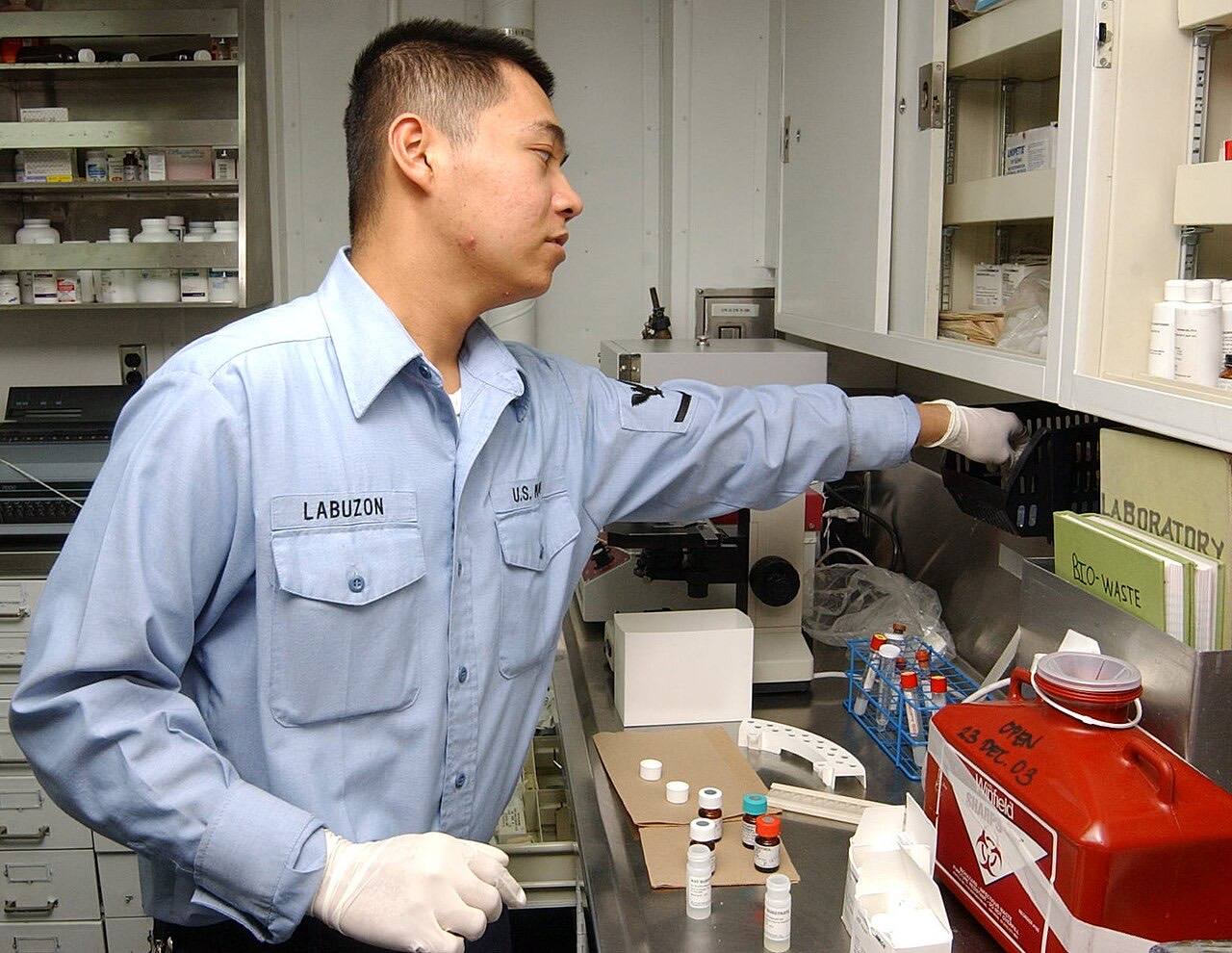
Healthcare Access at Public Clinics
Public clinics are often the first point of contact for uninsured and underinsured individuals seeking medical assistance. In recent years, these facilities have faced significant challenges, from budget cuts to the increasing demand for services. According to the latest reports, there has been a steady uptick in patient visits at public clinics, but this growth has not been matched by funding increases, raising concerns about sustainability.
"Public clinics are under pressure like never before, with fewer resources and more patients."
The National Association of Community Health Centers indicates that public clinics treated approximately 19 million patients in the past year, a number that continues to rise. Nonetheless, many clinics are struggling to keep up with this demand. Long wait times and limited services have become common complaints among patients, who are often left with few alternatives. This development underscores a critical issue: while the demand for public healthcare is increasing, the support for these essential services is dwindling.
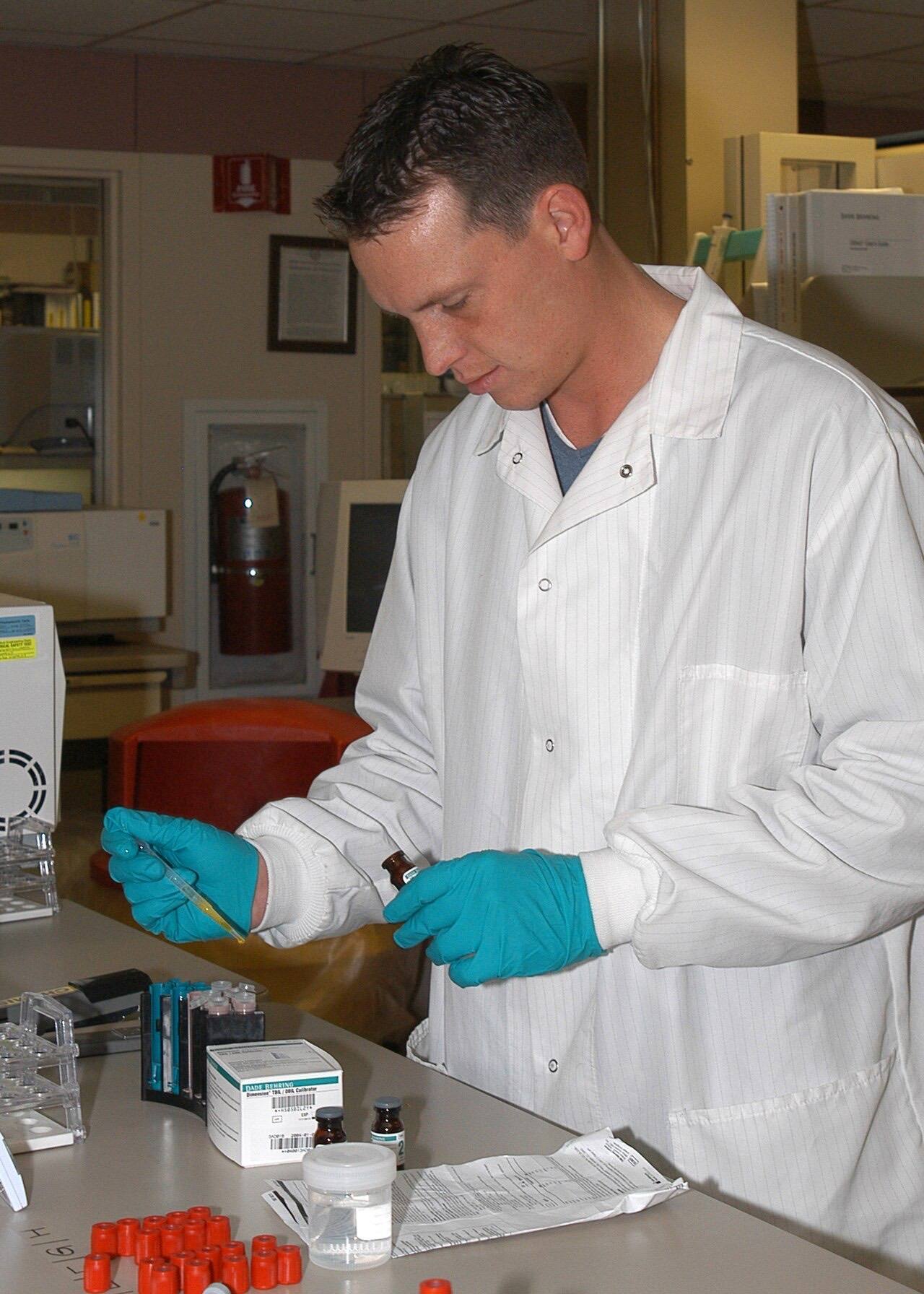
Funding Woes and Political Tensions
Funding for public clinics is a contentious subject that often pits political ideologies against one another. On one side, advocates for increased government spending argue that public clinics are a necessary component of the healthcare system, particularly for low-income families. On the other hand, some fiscal conservatives advocate for cuts to public spending, believing that private sector initiatives can better meet the needs of patients.
Unfortunately, this partisan divide often results in a lack of adequate funding for public clinics. The consequences of these budgetary decisions are felt acutely by both patients and healthcare providers. Without sufficient resources, clinics may be forced to reduce staff, limit operating hours, or cut back on essential services. As we enter 2007, the question looms: how will clinics navigate these fiscal challenges while trying to serve an ever-growing patient base?
Demographics and Uneven Access
Another pressing issue within public clinics is the demographic makeup of their patient populations. Data indicates that minorities, particularly Hispanic and African American communities, utilize public clinics at disproportionately high rates. These communities often face systemic barriers to healthcare, including socioeconomic factors and cultural differences that can create additional obstacles.
A critical examination of patient demographics reveals a stark reality: while public clinics strive to provide equitable healthcare access, not all patients receive the same level of care. Some clinics, particularly those in urban areas, are overwhelmed, while others in rural regions face their own unique challenges due to geographic isolation and limited resources.
"Access to care is still a significant issue for many communities, and public clinics are at the heart of this struggle."
Innovative Solutions or Band-Aid Fixes?
In response to these challenges, some clinics have begun to implement innovative solutions aimed at improving patient care and operational efficiency. For example, telehealth initiatives and outreach programs have gained traction, allowing clinics to extend their services beyond traditional office visits. However, while these innovations show promise, they often serve as temporary fixes rather than comprehensive solutions.
The reality remains that without sustained investment and political will, public clinics will struggle to meet the needs of their communities. As we move through 2007, the need for a balanced approach - one that recognizes the importance of public healthcare while also addressing fiscal responsibility - has never been clearer.
Conclusion
As the debate over healthcare in America rages on, public clinics remain a critical part of the conversation. The challenges they face are emblematic of a larger struggle within the system. Both sides of the political spectrum must recognize the importance of these institutions and work collaboratively to ensure their future viability. Only by addressing the root causes of funding shortfalls and disparities in access can we hope to create a more equitable healthcare landscape for all Americans.
✦ ✦ ✦