From the file. Written for the paper dated December 2006. Opened in the public stacks July 14, 2026.
As 2006 draws to a close, the scientific community is buzzing with discussions about solar storms, but the certainty surrounding these celestial events is generating a mix of excitement and skepticism.
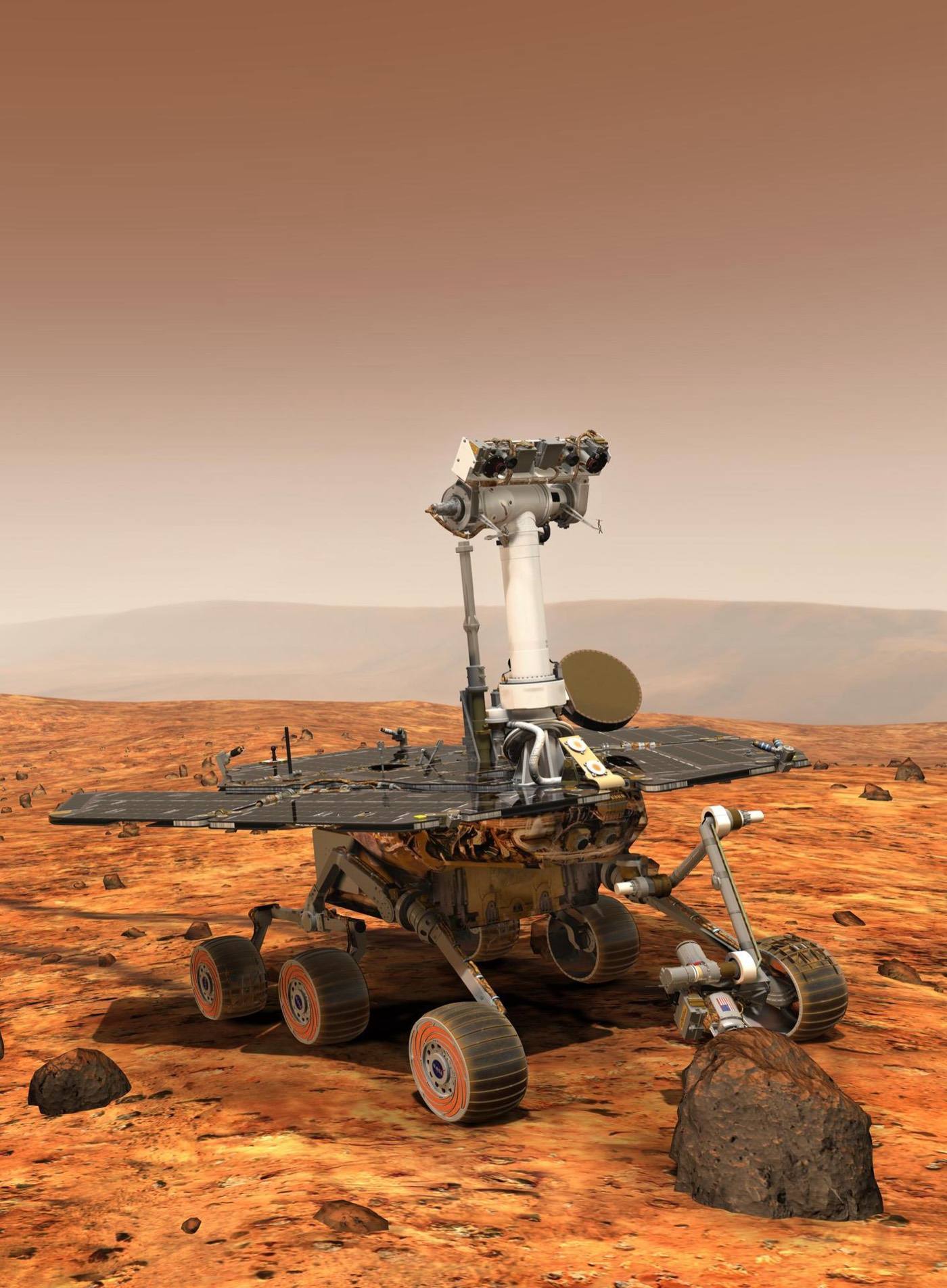
The Nature of Solar Storms
Solar storms, or coronal mass ejections, are bursts of solar wind and magnetic fields rising above the solar corona or being released into space. These phenomena can impact satellites, disrupt communications, and even cause power outages on Earth. While this may sound alarming, the implications of solar storms are often exaggerated, and the certainty with which some scientists and media outlets portray them is raising eyebrows.
In recent months, there has been a surge in public interest regarding solar activity, particularly with the impending peak of the 11-year solar cycle. The National Oceanic and Atmospheric Administration (NOAA) has been at the forefront, producing forecasts and warnings about potential solar storms, often accompanied by dramatic visuals and urgent language. This has led to an increase in public fascination, but it raises questions about the motives behind such certainty.
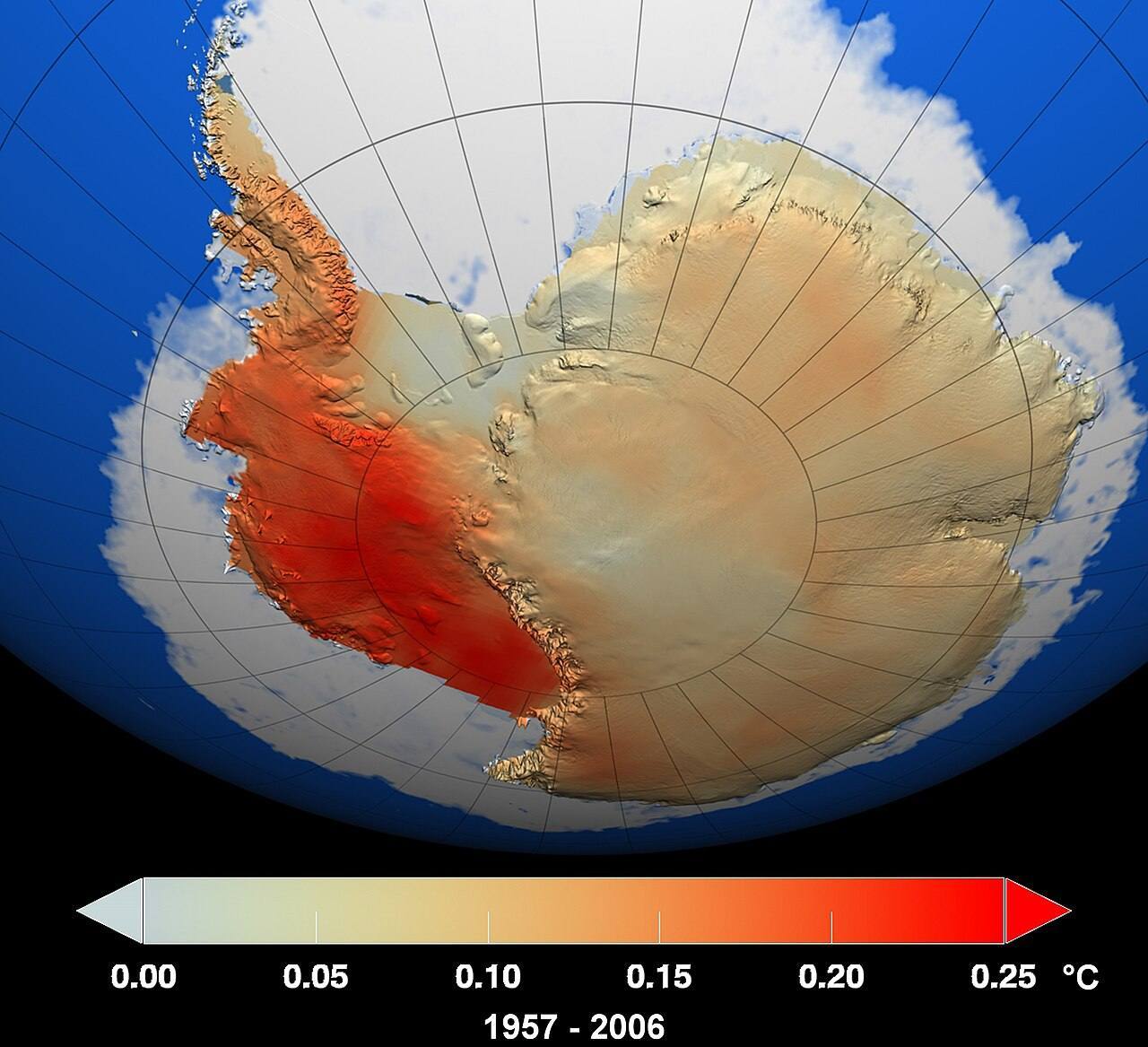
The Selling of Certainty
The concept of certainty in science is critical to the credibility of the field, but the increasing tendency to present information in a black-and-white manner can be misleading. While predicting solar storms has become more precise thanks to technological advancements, the reality is that there is still a significant margin for error. Scientists like Dr. John McIntosh, a solar physicist, have voiced concerns that the media's portrayal of their findings can lead to alarmism, which ultimately undermines public trust.
"The certainty sells, but the nuances are often lost in translation," Dr. McIntosh stated in a recent interview.
Indeed, the polarizing nature of the discourse surrounding solar activity mirrors the broader political landscape in the United States today. On one side, there are those who vehemently advocate for the dangers posed by solar storms, often using hyperbolic language to capture attention. On the other side, skeptics downplay the potential impacts, dismissing the scientific community's warnings as fear-mongering.
The Right's Dismissal and the Left's Alarm
On the political right, there is a tendency to dismiss climate and space-related warnings as exaggerated or overly cautious. This skepticism may stem from a broader narrative that questions the validity of scientific research, often influenced by economic and ideological interests. While it is essential to approach scientific claims critically, dismissing them entirely often leads to ignorance of potential risks.
Conversely, the left appears to embrace the alarmist rhetoric surrounding solar storms, framing them as yet another example of human vulnerability to natural phenomena. This narrative aligns with a broader environmental agenda, which can lead to an oversimplification of complex scientific concepts. While it is crucial to raise awareness about the impacts of solar activity, sensationalism can alienate those who might otherwise engage with the subject matter.
A Call for Balanced Dialogue
The truth about solar storms lies somewhere in between the extremes. While scientists have made remarkable strides in understanding these phenomena, the inherent unpredictability of solar activity means that absolute certainty will always elude us. As the scientific community continues to refine its models and predictions, it is imperative that both sides of the political spectrum engage in a more nuanced dialogue, one that prioritizes scientific integrity over sensationalism.
As we move into 2007, it is essential for journalists, scientists, and policymakers to work together in fostering an informed public discourse. While the allure of certainty may sell well, it is the complexity of scientific understanding that will ultimately empower individuals to make informed decisions about the natural world around them.
In the end, solar storms do not come with a team jersey; they are phenomena that require thoughtful consideration and a balanced approach. As we navigate this ever-evolving landscape of science and media, let us strive to communicate with clarity and responsibility, fostering a culture of understanding rather than fear.
✦ ✦ ✦