From the file. Written for the paper dated December 2006. Opened in the public stacks July 14, 2026.
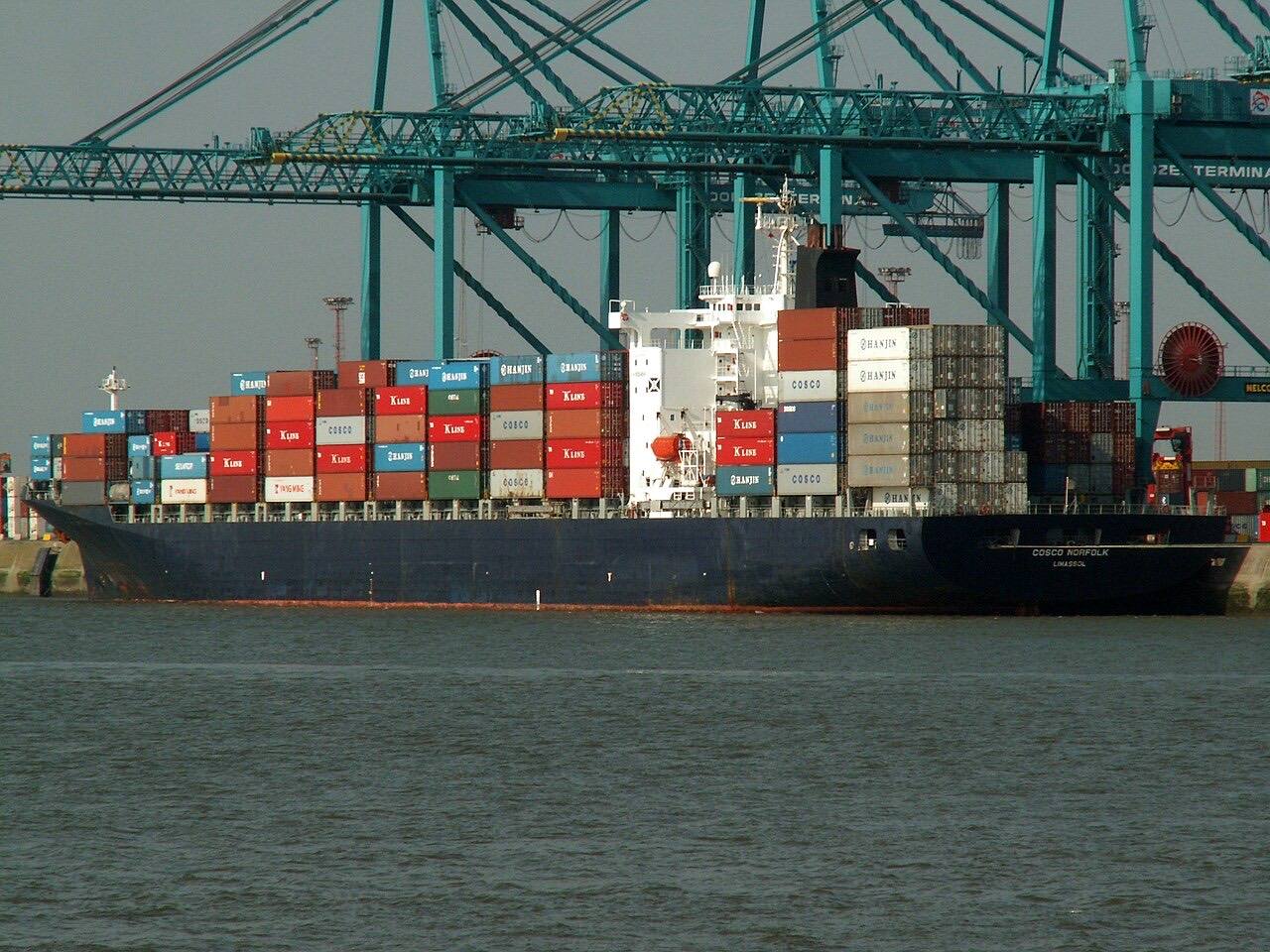
As the holiday season approaches, the nation’s ports are grappling with unprecedented congestion, raising questions about the efficiency of our supply chains and the implications for consumers.
The Bottleneck Effect
In recent months, major ports across the United States have been overwhelmed with shipping containers, leading to delays that reverberate through the economy. The Port of Los Angeles and the Port of Long Beach, which together account for a significant portion of container traffic, have reported waiting times for vessels that stretch into weeks. This logjam has not only hampered the flow of goods but has also sparked debates about the effectiveness of our transportation infrastructure and policies.
While some on the left attribute the congestion to the failure of deregulation and call for increased governmental oversight, others on the right insist that the solution lies in reducing regulations and allowing market forces to operate freely. Ironically, both sides seem to overlook the fact that the real answer may require a more nuanced approach that blends the best of both worlds.
The Politics of Port Congestion
As the political winds shift with the impending midterm elections, the issue of port congestion has become a hot-button topic. Politicians on both sides are keen to capitalize on the public’s frustration. On the left, we see calls for greater federal intervention, including proposals for increased funding for infrastructure improvements. Yet, critics argue that this push often comes with a laundry list of additional regulations that may stifle the very innovation needed to alleviate these issues.
Meanwhile, conservatives are quick to point fingers and advocate for less regulation, insisting that the free market will resolve these problems if only government would get out of the way. However, this perspective fails to acknowledge that the market is not a self-correcting mechanism when faced with such a massive bottleneck. The reality is that both sides are offering simplistic solutions to a complex problem.
“The market is not a self-correcting mechanism when faced with such a massive bottleneck.”
Consumer Impact and Certainty in Commerce
For consumers, the consequences of port congestion are painfully apparent. Holiday shopping, which relies heavily on timely deliveries, is being disrupted. Many retailers are scrambling to keep shelves stocked, and prices are likely to rise as supply cannot meet demand. This uncertainty is being met with a surge in consumer confidence in 'sure bets' - products that are readily available rather than those that are stuck in port limbo.
Retailers are also beginning to rethink their inventory strategies. Just-in-time manufacturing, once a hallmark of efficiency, is now viewed as a risky gamble in light of these delays. Companies are starting to stockpile goods in anticipation of potential shortages, leading to a paradox where the very measures taken to streamline operations may now be contributing to scarcity and inflation.
Looking Ahead: A Complicated Path Forward
The resolution of port congestion will require a multifaceted approach that considers the needs of all stakeholders. Policymakers must navigate the complex political landscape while addressing the real issues at hand - outdated infrastructure, labor shortages, and the need for innovative logistics solutions.
It is clear that certainty in commerce is selling briskly, as consumers and businesses alike seek stability in an increasingly unpredictable environment. The question now is whether politicians will rise to the occasion and put forth practical solutions that address the root causes of port congestion, or whether they will continue to engage in partisan finger-pointing that ultimately benefits no one.
✦ ✦ ✦