From the file. Written for the paper dated December 2006. Opened in the public stacks July 14, 2026.
As the nation gears up for another oversight hearing, the stark polarization of political discourse has turned even the most mundane of proceedings into a spectacle, where certainty reigns supreme and nuance often finds itself sidelined.
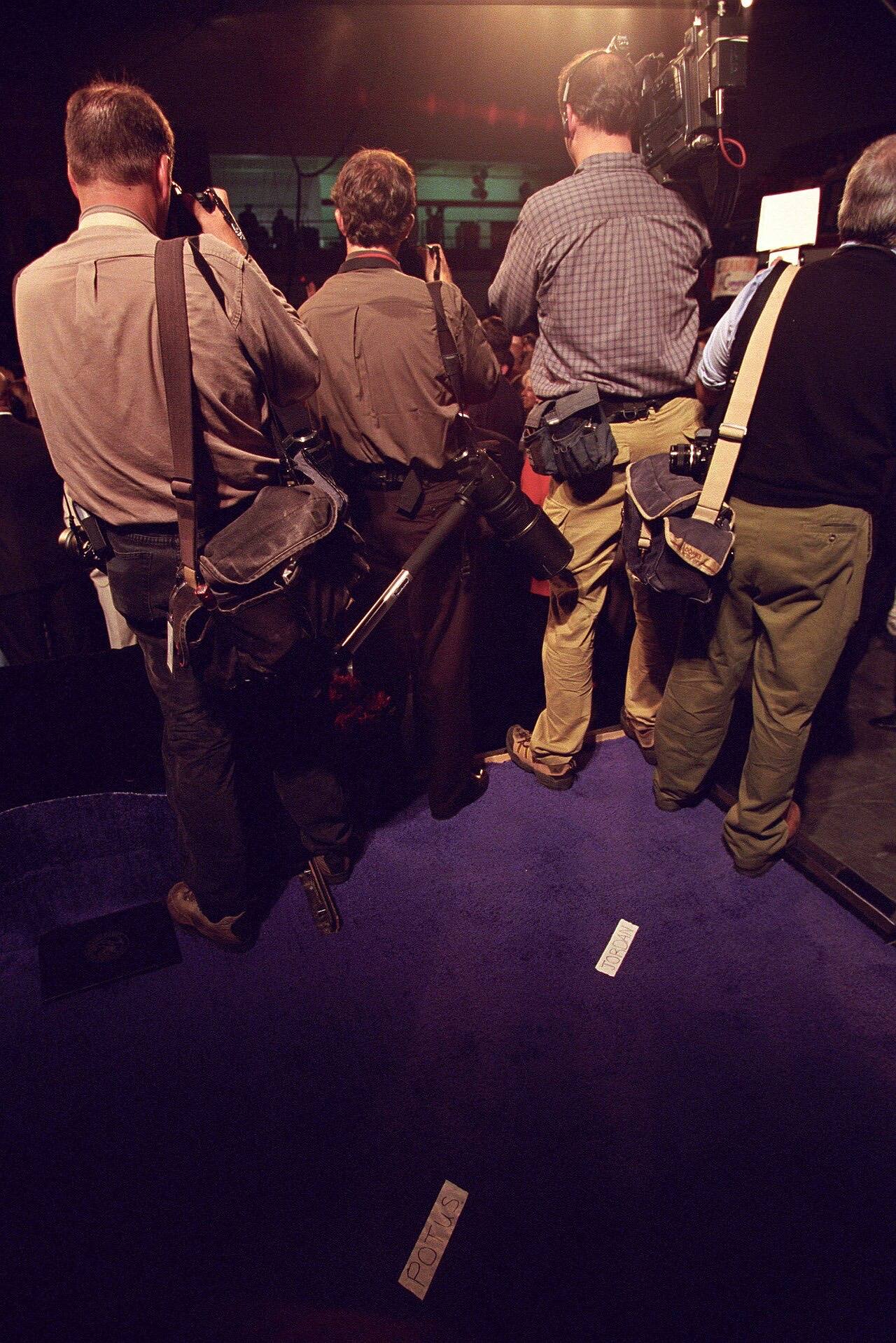
Political Theater in Washington
The upcoming oversight hearing is a reminder that in today's political arena, facts and reality can easily become casualties of the relentless tug-of-war between the left and the right. Each party has its own agenda, and the ensuing debates frequently devolve into partisan shouting matches rather than constructive dialogues. Rather than fostering a space for genuine inquiry, the hearings often morph into a stage for political theater, with both sides vying for the spotlight.
For the Democrats, the strategy seems clear: seize upon any hint of scandal or mismanagement to bolster their case against the current administration. The rhetoric is fiery and accusatory, creating an atmosphere charged with indignation. Yet, one must wonder if this approach serves to illuminate the truth or merely sensationalizes the issues at hand. The certainty with which they present their claims can be both compelling and dangerously misleading.
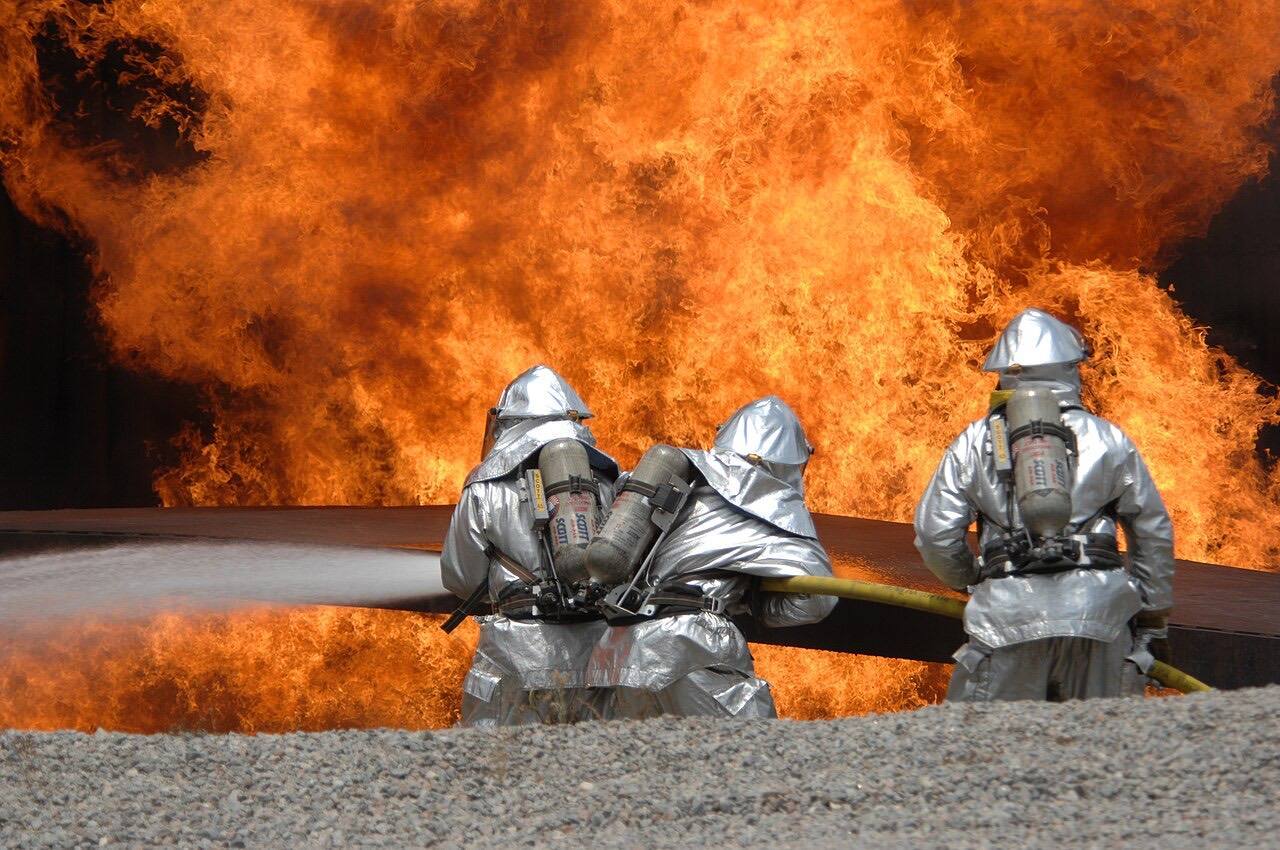
On the flip side, the Republicans are equally entrenched in their own form of obstinacy. Instead of addressing legitimate concerns raised by their opponents, they often resort to dismissive tactics, framing the Democrats as opportunists seeking to undermine the credibility of the government. The mantra of "fake news" has become a rallying cry, used to delegitimize any criticism while fostering a culture of unwavering loyalty to the party line. This approach, too, sacrifices the potential for honest discourse on the altar of certainty.
“In a world where certainty sells briskly, both sides are guilty of prioritizing their narratives over a quest for truth.”
The Price of Certainty
The allure of certainty in political messaging is hard to resist. In an age of rapid information flow, where complex issues are reduced to sound bites, voters often gravitate toward those who can deliver a clear, unambiguous message. The problem is that this binary thinking stifles the critical examination of policies and decisions. It creates an environment where the truth becomes malleable, shaped by the needs of the moment rather than grounded in reality.
Consider the ongoing debates surrounding the war in Iraq. For many on the left, the narrative revolves around the assertion that the war was unjustified from the outset, leading to disastrous consequences both domestically and abroad. This perspective, while valid, often neglects the multifaceted complexities that led to military engagement. Conversely, many on the right maintain an unwavering belief in the righteousness of the intervention, framing dissent as unpatriotic. Both positions overlook the nuanced truths that lie between the extremes.
Beyond the Partisan Divide
So, what can be done to break this cycle of excess? For starters, there needs to be an acknowledgment from both sides that the issues facing the nation cannot be distilled into black-and-white narratives. Politicians must prioritize honesty and transparency over the allure of quick victories. They must recognize that the electorate deserves more than slogans; they deserve a thoughtful exploration of the policies that shape their lives.
Moreover, the media has a significant role to play in this equation. With the relentless pursuit of ratings and readership, news outlets often amplify the loudest voices in the room, rather than the most informed. This tendency exacerbates the problem of certainty, as sensational stories overshadow nuanced reporting. A commitment to responsible journalism - one that seeks to inform rather than inflame - can help create a more informed public capable of engaging in meaningful discussions about the issues at hand.
As we approach the upcoming oversight hearing, it is crucial to challenge the prevailing narratives on both sides. We must demand that our leaders engage with the complexities of the issues rather than retreating into comfortable certainties. Only then can we hope to foster a political culture that values inquiry over dogmatism and dialogue over division.
The Road Ahead
In conclusion, the desire for certainty will always be a powerful force in politics. However, as we move forward, it is imperative that both parties recognize the value of nuance and the importance of listening to differing perspectives. The upcoming oversight hearing is not just another opportunity for political posturing; it is a chance to confront the realities of governance and accountability in a way that transcends the entrenched divides of our time.
✦ ✦ ✦