From the file. Written for the paper dated October 2006. Opened in the public stacks July 14, 2026.
In a nation increasingly polarized by party politics, one critical aspect of governance remains overshadowed: the ratification of treaties. As the debate rages on the Hill, the quiet failure of oversight surrounding this process reveals a troubling disconnect between the political elite and the citizenry they represent.

The Treaty Process: An Oversight Lament
The ratification of treaties is a constitutional process that ideally serves as a check on executive power. However, in recent years, it seems that both sides of the political spectrum have neglected this critical responsibility. The Republican majority, eager to push their agenda through the White House, often skims over the details of international agreements. Meanwhile, the Democrats, fixated on opposing the administration, have failed to offer constructive critiques, instead opting for blanket opposition that does little to enhance the discussion.
Take for instance the recent discussions surrounding the United Nations Convention on the Rights of Persons with Disabilities. Despite its potential for expanding human rights protections, the treaty has been met with tepid support from both sides. The GOP, under the current leadership, has been hesitant to embrace any initiative that could be construed as a nod to internationalism, while many Democrats are too mired in partisan bickering to advocate earnestly for its ratification.
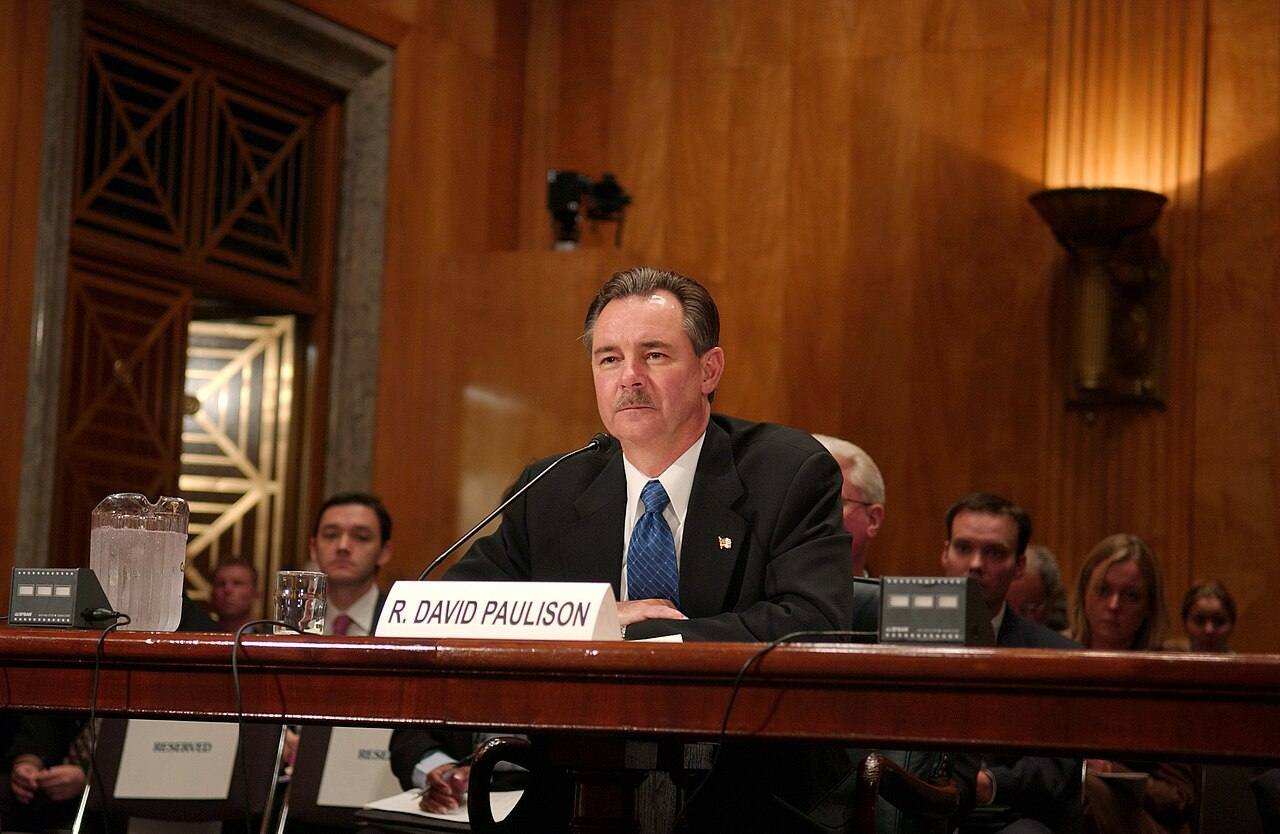
"The treaty process is not just a formality. It is a fundamental aspect of our democratic systems that requires active engagement."
As a result, what should be a robust debate about the implications of international agreements has devolved into a series of political posturing and finger-pointing. The lack of serious oversight in treaty ratification has far-reaching consequences, not just for U.S. foreign policy, but for the very fabric of democratic governance.
The Cost of Partisan Politics
While it is easy to point fingers at the other side, both the left and the right have contributed to this erosion of oversight. The Democrats have often resorted to alarmist rhetoric, framing any treaty as a potential infringement on U.S. sovereignty. This approach alienates moderate voices who may be open to discussion. On the other hand, the Republicans frequently dismiss legitimate concerns raised by their colleagues simply to push through their agenda, prioritizing party loyalty over principled debate.
This dynamic creates a dangerous environment where treaties are seen less as tools for collaboration and more as political footballs to be tossed around during election cycles. The American public, already disillusioned with the political process, finds it increasingly challenging to engage with these critical issues. The absence of a thoughtful discourse on treaties only fuels the fire of division.
Reclaiming the Conversation
It is essential for legislators on both sides of the aisle to reclaim the conversation around treaty ratification. This process should not be a mere formality but rather an opportunity for substantive debate on issues that impact not only U.S. citizens but also communities worldwide. The potential for international cooperation in fighting climate change, promoting human rights, and ensuring global security cannot be overstated.
As we move further into an era defined by globalization, the need for strong, well-ratified treaties will only grow. Yet, if the current trend continues, we risk relegating treaty ratification to the sidelines of political discourse. This is a failure that both parties must urgently address.
"The potential for international cooperation in fighting climate change and promoting human rights cannot be overstated."
To begin this process, lawmakers need to focus on educating their constituents about the implications of treaties and the importance of active engagement. This can help to foster a more informed electorate that demands accountability from their representatives. Moreover, it is crucial for legislators to work collaboratively, setting aside partisan differences to focus on the common good.
A Call for Renewal
In the coming months, as the political landscape shifts, there lies a unique opportunity for both parties to recommit themselves to the principles of democracy that underpin the treaty ratification process. By fostering a culture of open dialogue and constructive criticism, they can ensure that treaties are viewed not as mere political tools but as vital instruments that uphold the values and interests of the American people.
In conclusion, the current state of treaty ratification is a stark reminder of the dangers posed by excessive partisanship. It is incumbent upon both the left and the right to recognize that their actions - or lack thereof - have real-world consequences that extend far beyond their immediate political calculations. It is time for a renewed commitment to oversight, engagement, and responsible governance.
✦ ✦ ✦