From the file. Written for the paper dated October 2006. Opened in the public stacks July 14, 2026.
As public attention fixates on the latest political controversies and celebrity antics, a more pressing issue looms in the cosmos: the potential impact of solar storms on our technological infrastructure. The recent solar activity has raised alarms among scientists, but the response from both our government and private sectors has remained disappointingly muted.
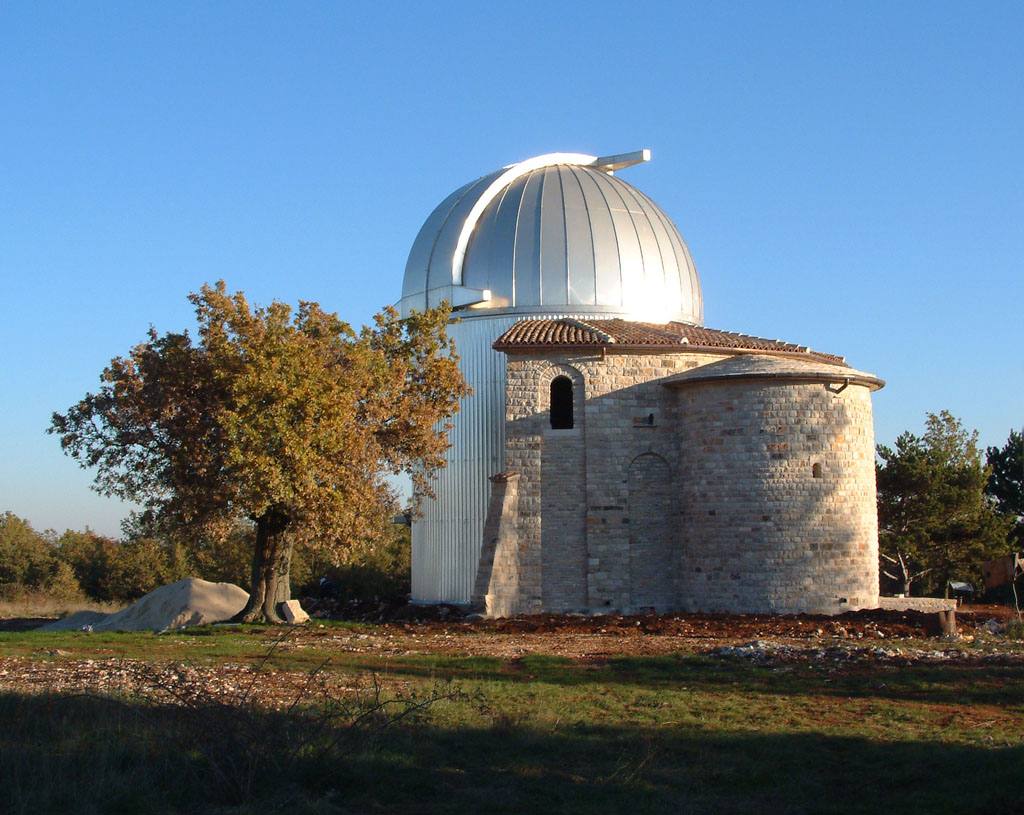
The Cosmic Threat
Solar storms, which occur when the sun emits bursts of radiation and charged particles, can disrupt satellites, power grids, and communication systems. With our society increasingly reliant on technology, the implications of a significant solar storm can be catastrophic. Recent studies have indicated that a severe solar event could lead to widespread blackouts and even endanger lives. Yet, while scientists work tirelessly to predict and understand these phenomena, the response to their warnings has been lackluster at best.
Oversight in Action
Despite the significant risks posed by solar storms, oversight from federal agencies has been inadequate. The National Oceanic and Atmospheric Administration (NOAA) and the National Aeronautics and Space Administration (NASA) have both made strides in solar monitoring, yet their efforts lack the urgency demanded by the situation. The absence of a comprehensive strategy to mitigate the impacts of solar storms reflects a troubling trend of neglect towards scientific warnings.
"We are living in an age where our dependency on technology is at an all-time high, yet our oversight mechanisms seem stuck in the past."
Political Posturing vs. Practical Solutions
Political discourse has become increasingly polarized, with both sides often failing to address genuine scientific concerns. On one side, the right tends to prioritize economic growth and deregulation, often at the expense of addressing environmental issues and scientific preparedness. On the left, there is a tendency to focus on climate change and social justice, sometimes overlooking the immediate threats posed by natural phenomena like solar storms.
Both sides of the aisle seem more interested in scoring political points than in developing a coherent response to the potential dangers of solar storms. The lack of bipartisan support for a national strategy to prepare for these events reflects a broader malaise in American governance, where short-term political gains overshadow long-term planning.
The Role of Private Industry
While government agencies have been slow to act, private industry has also shown a troubling lack of initiative. Companies that rely heavily on satellite technology and power grids should be at the forefront of preparing for solar storms. However, many have opted to focus on immediate profits rather than investing in infrastructure that could protect against solar disruptions. This shortsightedness could lead to dire consequences, not just for the companies involved, but for the citizens who depend on their services.
The Need for Action
It is crucial for both government and private sectors to take solar storm threats seriously. This requires not only improved scientific monitoring but also a commitment to developing and implementing protective measures. Public awareness must also be raised to ensure that citizens understand the risks and are prepared for potential disruptions.
While the media often focuses on sensational news and political drama, the quiet threat of solar storms requires urgent attention. As we navigate a future increasingly defined by technology, it is imperative that we prioritize the preparation for natural events that could undermine our way of life. A proactive approach, grounded in scientific understanding, is essential for safeguarding our technological infrastructure.
Conclusion: Bridging the Divide
In an era where political extremes dominate discussions, the need for rational, science-based discourse is more important than ever. The threat of solar storms is not a partisan issue; it is a universal challenge that requires collective action. By bridging the divide between political factions and private industry, we can begin to forge a path toward preparedness that prioritizes the safety and well-being of all Americans.
✦ ✦ ✦