From the file. Written for the paper dated October 2006. Opened in the public stacks July 14, 2026.
In an era where healthcare is fervently debated, the quiet operation of public clinics across the nation reveals a stark juxtaposition between the promises made by policy advocates and the reality faced by patients.
The Reality of Public Clinics
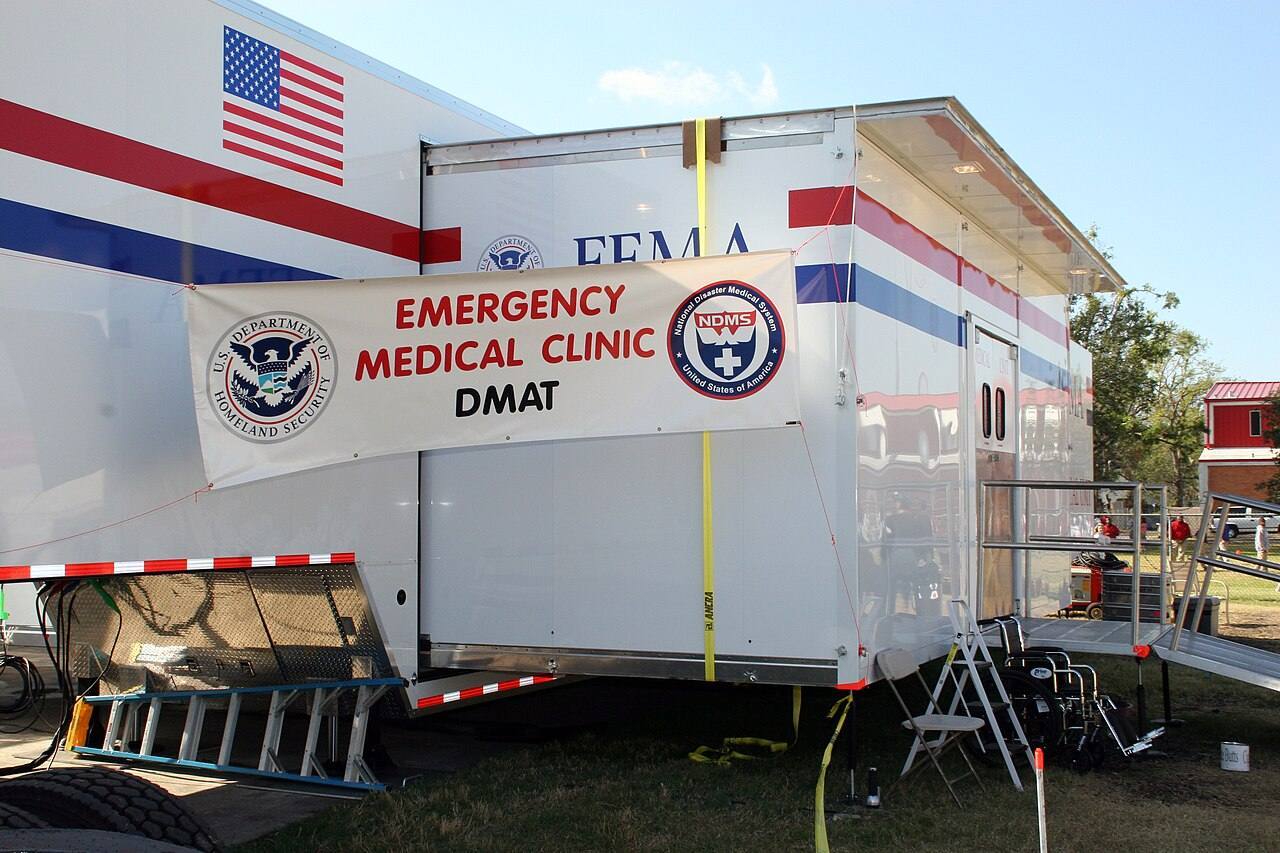
Public clinics are designed to serve the underserved, often becoming the first line of defense for those without adequate access to healthcare. Unfortunately, these institutions are increasingly under scrutiny for their lack of oversight and the consequences that arise from it. While the intention behind public clinics is to provide equitable health services, many facilities are struggling to meet even the most basic needs of their communities.
For instance, patients often report long wait times, insufficient staff, and a lack of essential medical supplies. These issues are not merely anecdotal; they reflect a systemic failure that raises serious questions about how well our public health infrastructure is being managed. While the left advocates for increased funding and expanded access, they sometimes overlook the necessity of accountability within these clinics. Without proper oversight, even the most well-intentioned initiatives can falter.
Financial Shortfalls and Staffing Issues
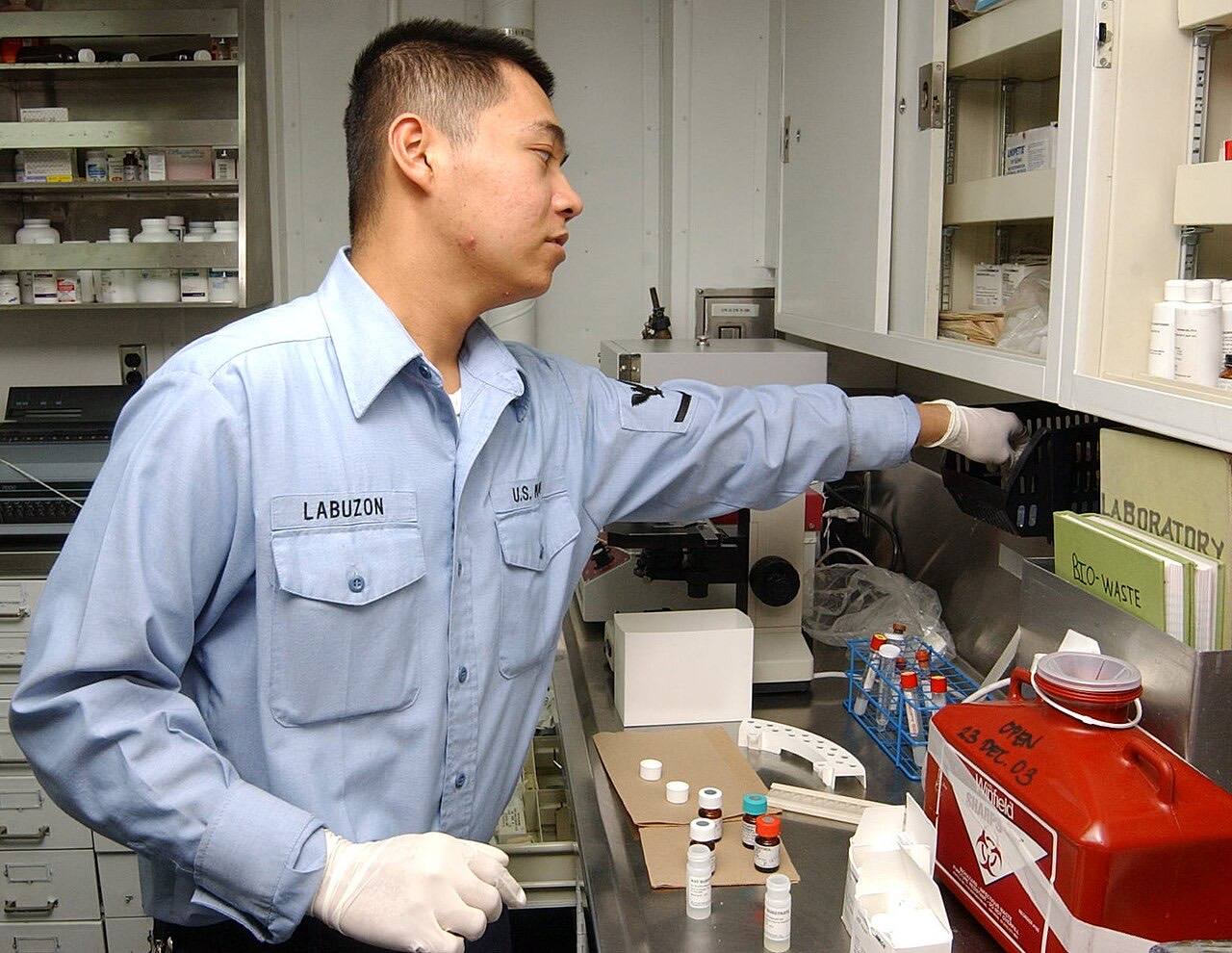
Funding for public clinics is often inconsistent, reliant on a patchwork of federal and state funding, grants, and local taxes. When budgets are tight, the first areas to suffer are staffing and resources. Many clinics operate with minimal staff, leading to burnout among healthcare workers who are left to juggle the needs of countless patients. The result is a system that is overburdened and underprepared.
“We are doing our best with what we have, but it is never enough,” lamented a nurse at a local clinic.
This sentiment echoes through many public health facilities, where dedicated workers strive to provide care despite overwhelming challenges. The lack of adequate funding not only affects the quality of care but also discourages potential talent from entering the field. As the healthcare debate rages on, we must confront the reality that simply pouring more money into the system will not resolve these fundamental issues without a commitment to reform and oversight.
Political Posturing vs. Practical Solutions
On the right, there is often a tendency to dismiss public clinics altogether, advocating instead for privatization and market-driven solutions. This perspective, however, fails to grasp the critical role that public clinics play in ensuring healthcare access for the most vulnerable populations. The dismissal of public clinics often stems from ideological beliefs rather than an honest evaluation of their impact. This approach not only risks alienating those who rely on public services but also ignores the potential for reform within the existing framework.
Both extremes of the political spectrum seem to be more interested in the sound of their own arguments rather than the wellbeing of the patients they claim to serve. The left pushes for expansive programs that, without proper oversight, may lead to inefficiencies. The right, conversely, threatens to dismantle systems that provide essential care to millions. The real victims in this tug-of-war are the patients who find themselves caught in a system that seems less interested in their health than in winning political points.
The Need for Comprehensive Oversight
What is needed now is a focus on comprehensive oversight of public clinics. This means establishing clear metrics for success, ensuring that funding is allocated efficiently, and holding clinics accountable for their performance. While increased funding is certainly part of the solution, it cannot be the only focus. Stakeholders must be willing to engage in a dialogue that prioritizes transparency and accountability in the management of public health facilities.
Only by addressing these pressing concerns can we hope to build a healthcare system that is equitable, efficient, and effective. The challenges facing public clinics are significant, but they are not insurmountable. It will require a concerted effort from policymakers, healthcare workers, and the communities they serve to ensure that these facilities can operate as intended - providing care to those who need it most.
A Call to Action
The current state of public clinics stands as a testament to the need for reform in how we approach healthcare in this country. It is not enough to simply advocate for increased funding or to criticize the system from the sidelines. We must engage in meaningful dialogue that seeks to bridge the divide between the left and right, focusing on practical solutions that prioritize the health of our communities.
In the coming months, as the political landscape continues to shift, let us not forget the patients. It is time to ensure that public clinics are not just a talking point in political debates but a vital component of our healthcare system that truly serves the needs of the people.
✦ ✦ ✦