From the file. Written for the paper dated September 2006. Opened in the public stacks July 14, 2026.
As the debate over the minimum wage continues to polarize the nation, a closer look reveals that both extremes - the advocates for an increase and the staunch opponents - may be missing key points in their arguments.

The Push for an Increase
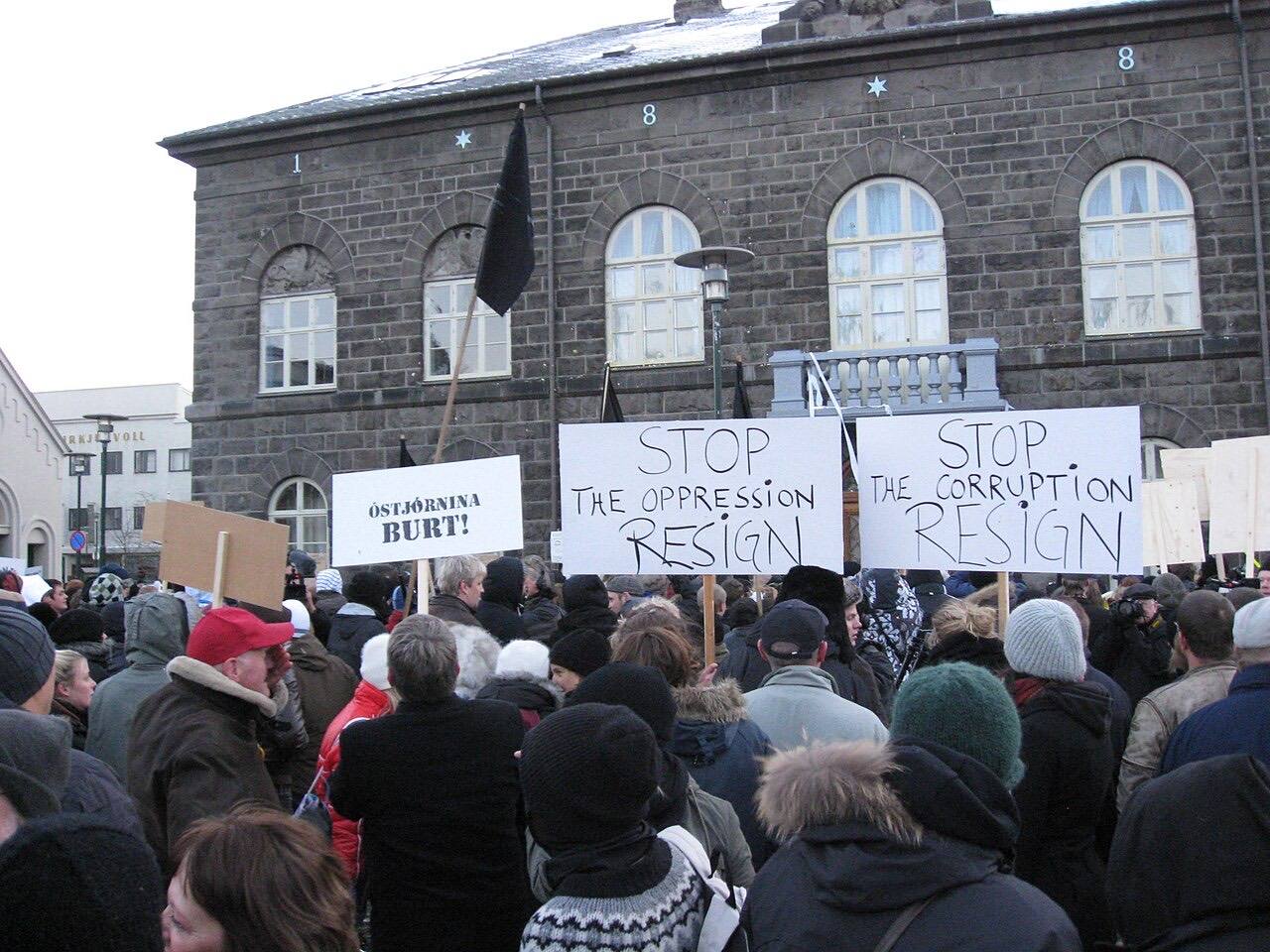
On one side of the aisle, proponents of raising the minimum wage argue that it is a moral imperative. They contend that no one who works full-time should live in poverty. This sentiment is echoed in demonstrations across the country, with activists rallying for a $15 minimum wage - a figure that many see as a benchmark for a livable income in major metropolitan areas.
Supporters cite studies suggesting that increasing the minimum wage could lift millions out of poverty, boost consumer spending, and ultimately lead to a more robust economy. They argue that higher wages would reduce employee turnover, increase productivity, and lead to a healthier workforce. However, critics of these studies question their methodologies and argue that they often overlook potential negative consequences.
The Counterarguments
On the opposite end, opponents of increasing the minimum wage warn that such a move could lead to job losses, particularly among small businesses. They assert that raising the wage floor might compel employers to cut back on hiring, automate jobs, or even reduce employee hours. This perspective is amplified by many business groups, who argue that a higher minimum wage could exacerbate the economic challenges faced by small enterprises and lead to higher prices for consumers.
"Raising the minimum wage is a cruel joke if it means fewer jobs and higher prices for the very people it aims to help."
Critics also highlight the potential for unintended consequences, such as increased costs of living in areas where the minimum wage rises sharply. They argue that a blanket increase does not take into account regional economic disparities, where a higher wage may be feasible in one city but unsustainable in another. This is particularly true in rural areas, where job opportunities are fewer and economic conditions are already fragile.
A Middle Ground?
As the debate escalates, those seeking a middle ground suggest that a more nuanced approach could serve to bridge the divide. Some advocate for a gradual increase tied to inflation rates or local economic conditions, rather than an abrupt jump to a nationally mandated figure. This could provide a more balanced solution that addresses the needs of low-income workers while considering the economic realities faced by employers.
Moreover, coupling a minimum wage increase with tax credits or subsidies for small businesses could help mitigate the financial strain on employers, while still providing workers with the wage increases they need to support their families. This proposal acknowledges the validity of both sides' concerns, creating a framework that could foster compromise.
The Political Landscape
Politically, the minimum wage debate is a double-edged sword. Democrats tend to rally around the cause of raising the wage, using it as a rallying point to galvanize their base. However, they risk alienating moderate voters who may be concerned about potential job losses. Conversely, Republicans often leverage the argument against wage increases as a means to appeal to business interests, but this can come at the cost of appearing out of touch with the struggles faced by working-class Americans.
In a time when economic inequality seems to be at the forefront of public discourse, both parties need to tread carefully. Overly simplistic solutions may not address the complexities of the issue, and a failure to find common ground could lead to further polarization.
Conclusion
As the nation grapples with the implications of the minimum wage, it is imperative to engage in a thoughtful dialogue that considers the perspectives of both workers and employers. Finding common ground may not be easy, but the consequences of inaction could be felt across the economic spectrum. Ultimately, a balanced approach that acknowledges the complexities of the issue may offer the best path forward for all involved.
✦ ✦ ✦