From the file. Written for the paper dated August 2006. Opened in the public stacks July 14, 2026.
As the summer of 2006 rolls on, port congestion continues to plague the shipping industry, causing delays that ripple through the economy. While politicians and industry leaders engage in finger-pointing, the fundamental procedures contributing to this crisis are often left unaddressed.
The Situation at Hand
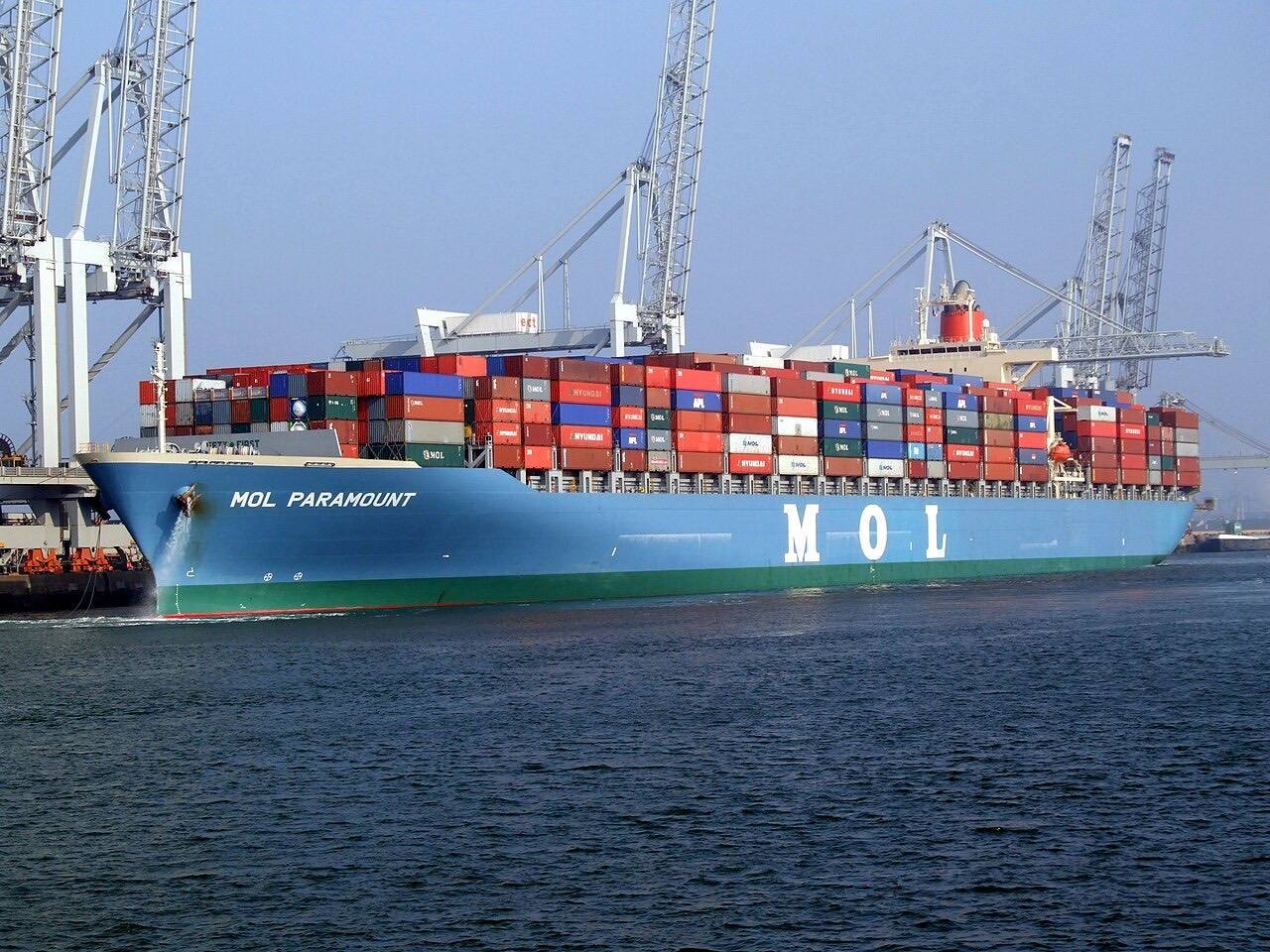
It is no secret that America's ports are struggling under the weight of increased cargo volumes. The recent surge in international trade, driven by globalization, has overwhelmed facilities designed for a different era. Ships are arriving at ports like Los Angeles and Long Beach, only to find themselves stuck in long lines, waiting to be unloaded. Meanwhile, the goods they carry are crucial to American consumers and businesses alike.
However, the conversation around port congestion seems to be largely superficial. Political leaders on both sides of the aisle blame each other for the backlog, while industry stakeholders lament the inefficiencies of the current system. Yet, little attention is paid to the processes that have allowed this situation to develop.

Outdated Infrastructure
One of the most significant contributors to port congestion is the outdated infrastructure that many ports operate with. In an age when shipping volumes have increased exponentially, the facilities themselves have not kept pace. Berths are overcrowded, and cranes are often inoperable. This is not merely a matter of funding; it is a reflection of a lack of foresight and planning at various levels of government.
"Politicians are quick to point fingers, but where is the investment in our ports?"
While some lawmakers are proposing new budgets to address these issues, the debate quickly devolves into partisan bickering. The left often advocates for increased public spending, while the right pushes for privatization as a solution. Both sides are missing the point: a comprehensive strategy is needed that addresses the unique challenges of each port.
The Labor Factor
Another element of this crisis is the labor situation at our ports. The International Longshore and Warehouse Union (ILWU) has a significant say in how operations run. Labor disputes and work slowdowns have become part and parcel of the shipping environment. While unions play a crucial role in advocating for workers' rights, the current climate often leads to unnecessary delays.
Some politicians suggest that the solution lies in weakening unions, arguing that this would increase efficiency. However, this perspective fails to recognize that workers are not merely cogs in the machine. They are essential to the smooth operation of port functions. A more balanced dialogue around labor relations is needed, one that seeks to enhance productivity without sacrificing workers' rights.
The Role of Technology
In today's world, technology has the potential to revolutionize how ports operate, yet its implementation has been slow and fraught with challenges. Many ports are still reliant on paper-based systems for tracking cargo, which leads to inefficiencies and miscommunication. The reluctance to adopt new technologies often stems from the fear of change and the costs associated with upgrading systems.
Advancements like automated cranes and real-time tracking systems could alleviate some congestion issues, yet the investment in such technologies often runs into resistance from both politics and industry. The left may argue for increased regulations that could stifle innovation, while the right might advocate for deregulation that can lead to shortcuts in safety and efficiency.
Environmental Considerations
As port congestion worsens, environmental concerns also come to the forefront. Increased truck traffic around ports contributes to air pollution and greenhouse gas emissions. While environmentalists on the left call for stricter regulations, the response from the right often emphasizes economic growth and job creation, which can lead to a dismissal of environmental impacts.
Both perspectives need to find common ground. Sustainable growth is possible, but it requires collaboration among all stakeholders to devise solutions that mitigate environmental damage without stifling economic opportunity. The question remains: will the left and right be able to set aside their differences to address these pressing issues?
A Call for Collaboration
The path forward is clear: a comprehensive, collaborative approach is needed to tackle the issue of port congestion effectively. Rather than engaging in partisanship over who is to blame, industry leaders and politicians must come together to devise long-term solutions. This requires investment in infrastructure, a balanced approach to labor relations, the adoption of new technologies, and a commitment to environmental sustainability.
As we navigate the complexities of modern commerce, we must remember that the processes we choose to follow can either exacerbate or alleviate crises like port congestion. It is time for all parties involved to roll up their sleeves and get to work.
✦ ✦ ✦