From the file. Written for the paper dated August 2006. Opened in the public stacks July 14, 2026.
In a time when labor unrest seems to be a central theme in the ongoing dialogue about the American workforce, the recent labor strike has sparked conversations not only about workers' rights but also about the procedures and tactics often left unexamined.
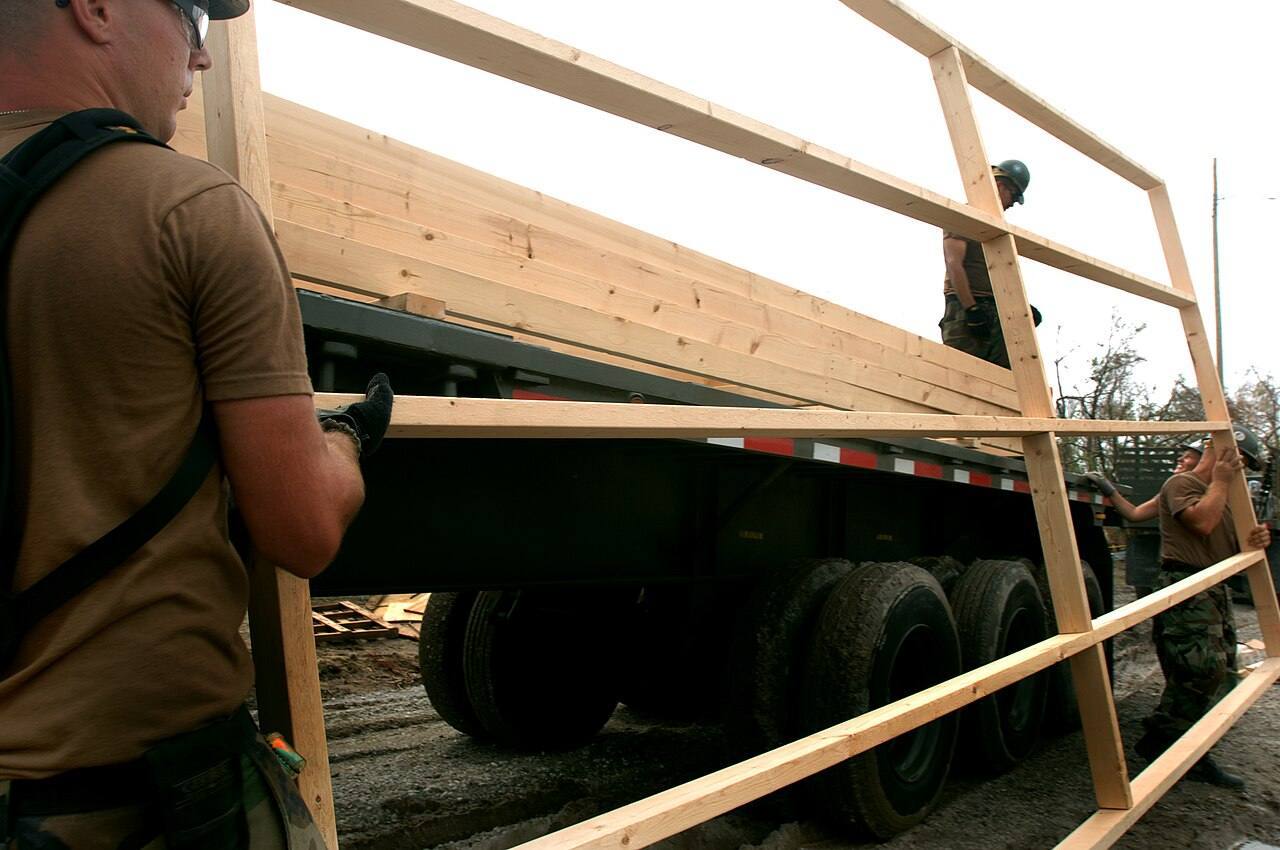
The Anatomy of a Strike
The recent labor strike, while capturing headlines and public attention, has also revealed an underlying truth that few want to confront: the procedures and negotiations that precede such dramatic actions are often fraught with complications and conflicts of interest. Union leaders and workers may rally around slogans and symbols, but the intricate dance of negotiation typically remains shrouded in obscurity.
As workers walk off the job, it is easy to view the strike as a spontaneous act of rebellion. However, the reality is that strikes are often the culmination of lengthy negotiations that have reached an impasse. The media often portrays these events as a black-and-white struggle between good and evil - workers versus management - while neglecting the complex web of factors that contribute to these disputes.
Left and Right: A Critique
On the left, there is a tendency to romanticize the strike, portraying it as an epic battle for workers' rights. While the fight for fair wages and safe working conditions is indeed noble, the left sometimes overlooks the nuances of labor relations. The simplistic narrative of the hero versus the villain can lead to a lack of accountability on the workers' side. After all, not every employee's demands are reasonable, and not every grievance is justified.
Conversely, the right often frames labor strikes as unnecessary disruptions to the economy. They argue that workers should be grateful for the jobs they have and that strikes only serve to hurt the very people they claim to be advocating for. This perspective dismisses genuine grievances and fails to recognize that the labor market is not as robust as it once was. It is vital for the right to acknowledge that a healthy economy depends on a satisfied workforce.
"The labor strike is not just a moment of passion; it is a reflection of deeper systemic issues that must be addressed."
The Hidden Costs of Strikes
Strikes come with hidden costs that extend beyond the immediate economic impact. Workers lose wages, companies suffer from decreased productivity, and the public often experiences a disruption in services. Moreover, the emotional toll on all parties involved cannot be ignored. Families of striking workers grapple with financial instability, while managers face the stress of maintaining operations amidst the turmoil.
It is essential to recognize that the aftermath of a strike can also lead to long-term impacts on relationships between workers and management. Resentments can fester, and trust can erode, creating an even more challenging environment for future negotiations. The cycle of conflict may perpetuate a toxic atmosphere, undermining the very goals that the strike aimed to achieve.
A Call for Constructive Dialogue
As the nation continues to witness labor strikes, it is imperative to foster a more constructive dialogue around these events. Both sides must be willing to engage in honest conversations that address grievances while also considering the broader implications of their actions. This approach would not only benefit the immediate parties involved but also promote a healthier labor environment for future generations.
Conclusion
In conclusion, the labor strike is a phenomenon that deserves a more nuanced understanding. While it may seem like a straightforward battle between workers and management, the underlying procedures and tactics are often overlooked. Both left and right extremes in this debate risk oversimplifying the complexities of labor relations. It is time for all parties to take a step back and engage in meaningful dialogue that can pave the way for progress.
✦ ✦ ✦