From the file. Written for the paper dated July 2006. Opened in the public stacks July 14, 2026.
In a world where headlines scream of calamities and recalls, the mechanisms behind food safety may seem dull, yet they are crucial for consumer protection. The recent food safety recall highlights the importance of these processes, revealing a system that operates quietly but effectively.
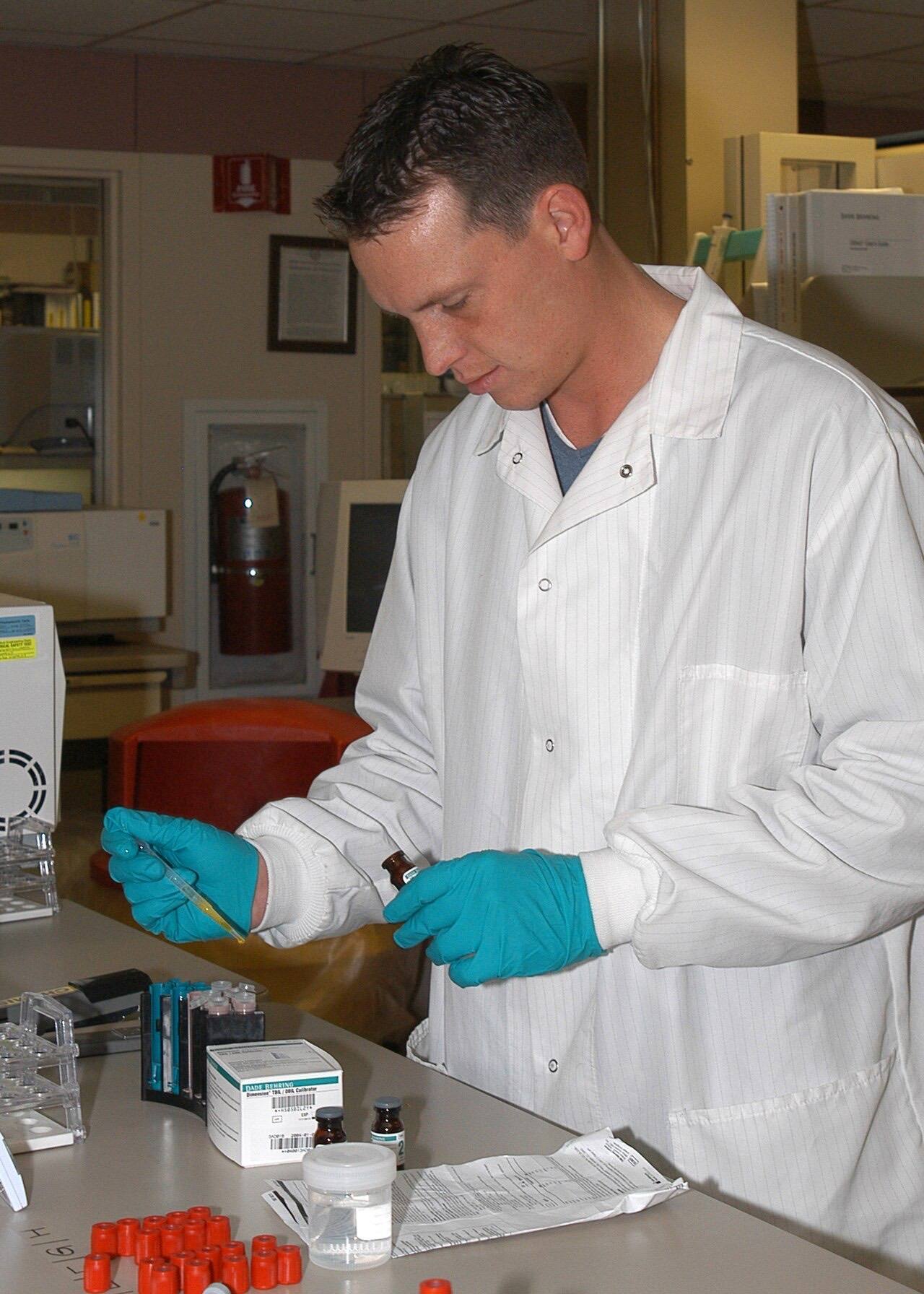
The Mechanism of Food Safety Recalls
Food safety recalls are often triggered by reports of contamination or potential health risks. The process is initiated when manufacturers or government agencies identify a problem, leading to a chain of notifications that can involve the Food and Drug Administration (FDA), local health departments, and ultimately, consumers. While the headlines may focus on the number of products recalled or the risks involved, the inner workings of these recalls are often overlooked.
"Behind the scenes, food safety recalls are a testament to a system designed for consumer protection."
The FDA plays a pivotal role in this process, working closely with food manufacturers to ensure that their products meet safety standards. When contamination is suspected, the first step is often a voluntary recall, where companies take the initiative to remove products from shelves. This proactive approach is essential because it helps mitigate risks before they escalate into larger public health issues.
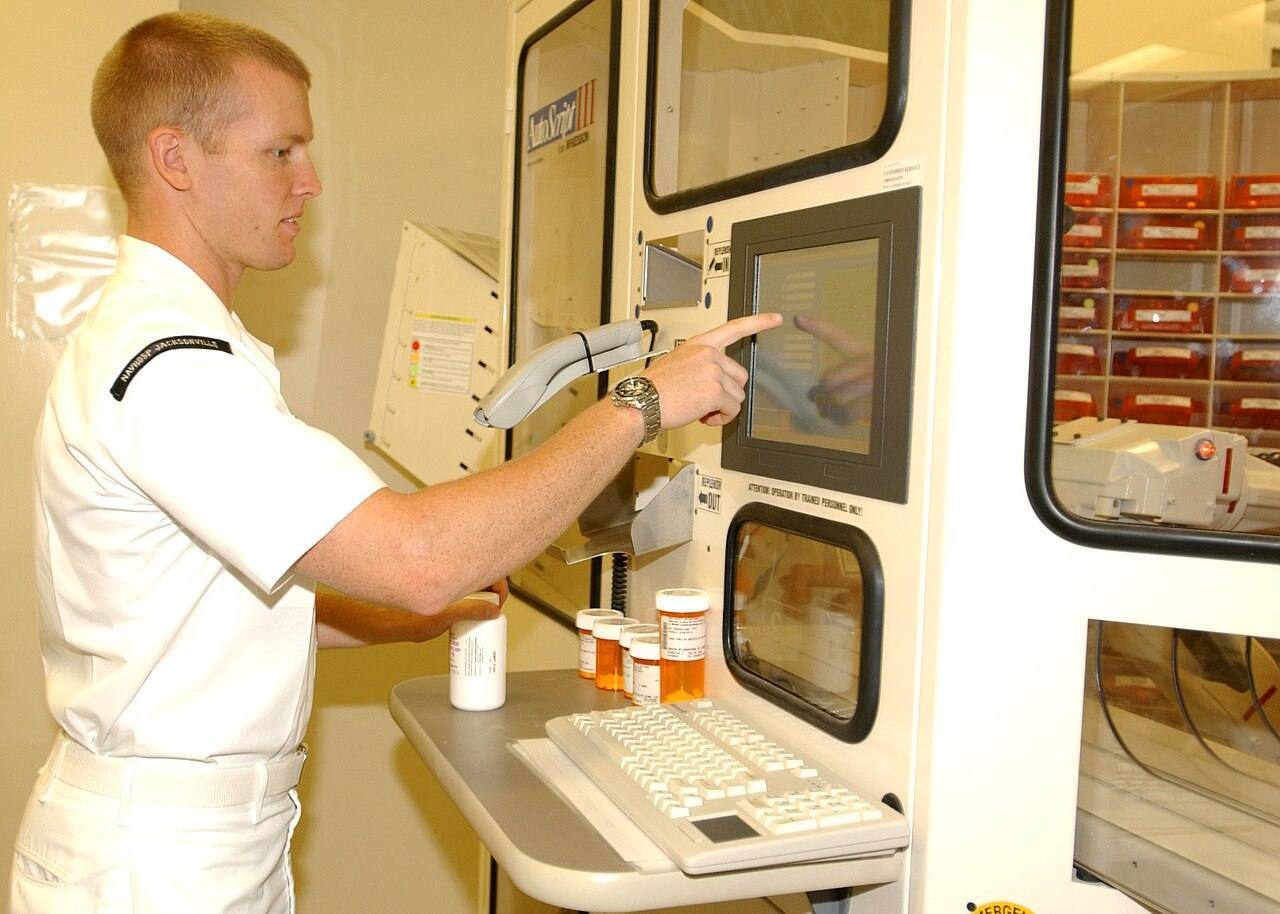
The Role of Regulatory Agencies
Regulatory agencies, such as the FDA and the Centers for Disease Control and Prevention (CDC), are often at the forefront of food safety recalls. Their surveillance systems monitor foodborne illness outbreaks and can quickly identify trends that may indicate a larger problem. For instance, if multiple reports of illness are linked to a specific product, these agencies can act swiftly to pull that product from the market.
However, the effectiveness of these agencies can be hindered by political pressures and the influence of industry lobbying. There are times when the call for stricter regulations is met with resistance, particularly from industry groups that argue against the financial implications of heightened safety standards. This creates a paradox where the push for safety is sometimes stymied by the desire to protect profits.
The Consumer's Role
Consumers also play a vital role in the food safety recall process. The recent E. coli outbreak linked to spinach is a stark reminder of how interconnected our food supply is. When consumers report illnesses or purchase products that have been identified as dangerous, they contribute to the data that agencies use to make informed decisions.
"Consumers need to be vigilant and informed, as their actions can help shape food safety outcomes."
In the age of information, consumers have access to resources that allow them to stay informed about food safety recalls. Websites like the FDA's recall page provide updates on current recalls, while local news outlets often cover significant cases. However, it is essential for consumers to take the initiative to seek out this information, as many recalls can go unnoticed if they are not widely publicized.
The Political Landscape
The conversation surrounding food safety recalls often becomes a battleground for political ideologies. On one hand, proponents of deregulation argue that excessive oversight stifles innovation and increases costs for consumers. On the other hand, advocates for stricter regulations argue that the government has a responsibility to protect public health and safety.
This political tug-of-war can lead to a climate of uncertainty. Consumers may find themselves caught in the crossfire, unsure of whether the food they purchase is safe. Alarmingly, the sensational coverage of food safety issues often overshadows the mundane but vital regulatory processes designed to ensure safety.
Closing Thoughts
While the mechanisms behind food safety recalls may seem boring or technical, they are crucial for maintaining a safe food supply. As the public engages with these issues, it is essential to strike a balance between consumer protection and industry innovation. Both sides must recognize that the ultimate goal is to protect public health while allowing for a thriving food industry.
In this complex landscape, consumers must remain informed and vigilant. The next time a recall makes headlines, remember that behind the noise lies a system designed to safeguard our health - a system that is as vital as it is unglamorous.
✦ ✦ ✦