From the file. Written for the paper dated July 2006. Opened in the public stacks July 14, 2026.
In an era where climate change dominates headlines, it’s easy to overlook the essential mechanisms behind climate measurement. Many debates have turned into a cacophony of opinions, but understanding these processes requires a level of engagement that often feels mundane. In this piece, we will dissect the intricacies of climate measurement and why they are critical to understanding our planet's changing dynamics.

The Foundation of Climate Measurement
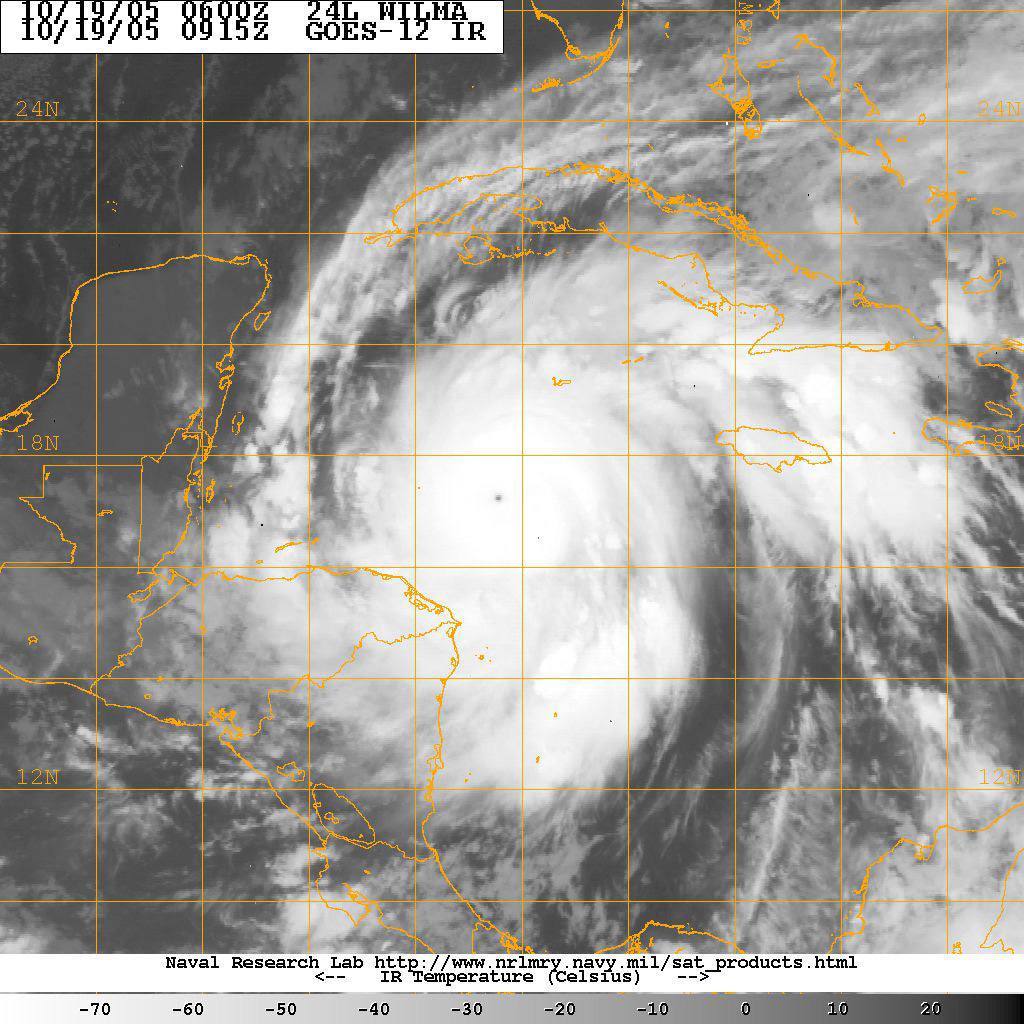
The science of climate measurement is built on a robust framework of data collection and analysis. From satellite observations to ground-level sensors, scientists have developed an array of tools to capture the multifaceted aspects of climate. This data is essential for creating a comprehensive picture of what is happening globally and regionally. Yet, the methods used can often be overshadowed by dramatic headlines and sensational claims.
At its core, climate measurement involves collecting variables such as temperature, precipitation, humidity, and atmospheric pressure. These variables are recorded across various geographical locations and times, forming a vast array of data points that scientists analyze to understand trends and patterns. The meticulous nature of this work may seem tedious, but it is crucial for informing policy decisions and public perception.
The Noise of Public Debate
In the current climate of political polarization, discussions about climate change often devolve into extremes. On one side, we have alarmists who suggest that the end is nigh if immediate action is not taken. On the other, we have skeptics who question the validity of climate science altogether. This oversimplification does a disservice to the nuanced reality of climate measurement.
"In the realm of climate science, the truth often lies in the details, yet both extremes fail to appreciate the importance of the data."
Alarmists may ignore the complexity involved in climate models, favoring alarming predictions that capture attention but may lack substantive backing. Conversely, skeptics often dismiss the overwhelming consensus among scientists, instead opting to highlight isolated data points that fit their narrative. Both perspectives miss the vital role that the scientific method and peer-reviewed research play in climate measurement.
The Role of Instruments and Technology
Measurement instruments, ranging from simple thermometers to sophisticated satellite systems, are the backbone of climate data collection. Each instrument comes with its own set of limitations and calibration needs, which scientists must account for in their analyses. The variation in methodologies can lead to misunderstandings if the public and policymakers do not grasp these technicalities.
For example, satellite data provides a broad overview of global temperatures, yet it comes with uncertainties that ground-based measurements can help clarify. The interplay between different data sources is essential for a robust understanding of climate trends. Ignoring these details can lead to misinformation and misguided policy decisions.
Communicating the Complexity
The challenge lies not only in gathering data but also in communicating its significance to the public. Scientists often struggle with how to present their findings in a way that is accessible yet accurate. This is made even more difficult by the media's tendency to sensationalize findings for engagement, further muddying the waters of public understanding.
As climate scientists work diligently in their labs and field sites, they are often met with a barrage of opinions that can overshadow their findings. The necessity for clear communication becomes paramount; scientists must find ways to translate their complex findings into digestible information that respects the intricacies of their work.
A Call for Balanced Discourse
As we navigate the climate debate, it is crucial for both sides of the political spectrum to recognize the importance of measured discourse. The left often prioritizes immediate action, sometimes at the expense of nuanced understanding, while the right may resist change due to economic concerns without giving due consideration to the long-term consequences of climate inaction.
Effective climate policy should emerge from a balanced understanding of the scientific data, rather than be driven by fear or ignorance. By fostering dialogue that respects the scientific process and the importance of data, we can move toward solutions that are both effective and informed.
The Path Forward
In summary, the mechanisms behind climate measurement may seem boring at first glance, but they are foundational to our understanding of climate change. As we confront the challenges ahead, it is imperative to advocate for informed discussion that appreciates the data's complexity while resisting the temptation of oversimplification. Only then can we forge a path toward meaningful solutions that address the realities of our changing climate.
✦ ✦ ✦