From the file. Written for the paper dated June 2006. Opened in the public stacks July 14, 2026.
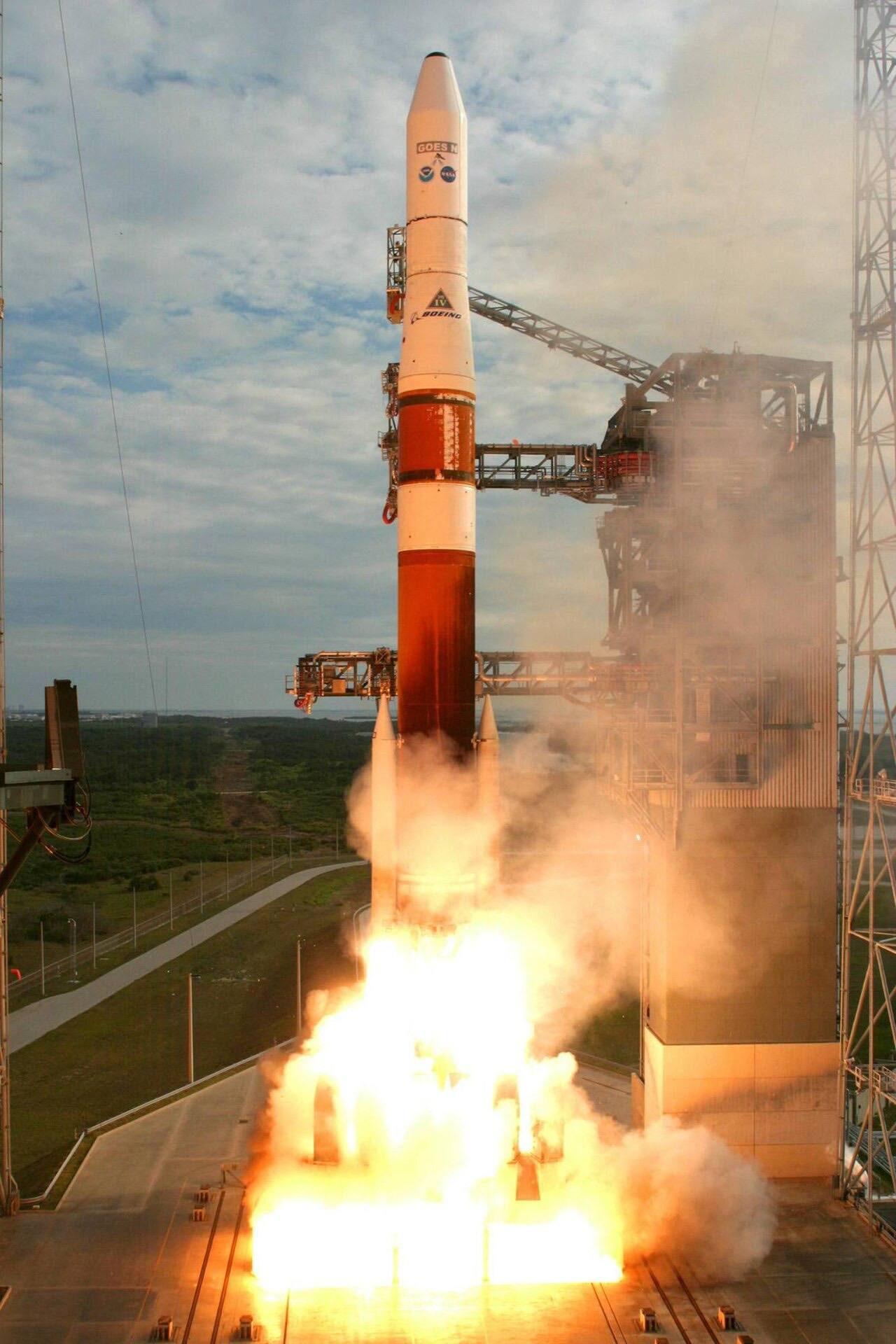
As the world watches with bated breath, the impending launch of private space vehicles is raising questions not only about the future of space exploration but also about the identity of the companies and individuals behind these monumental efforts.
The New Age of Space Exploration
In recent years, the space industry has witnessed a seismic shift. Gone are the days when only government entities like NASA dominated the launch landscape. Today, private companies are stepping into the limelight, eager to carve their names into the stars. But as we stand on the brink of this new era, it is imperative to focus on the evidence of capability rather than the personalities behind these ventures.
The recent successful test flights by SpaceX, led by Elon Musk, have reignited public interest in space travel. Yet, while Musk's ambition and vision are commendable, the true measure of success should not rest solely on the flamboyant persona of its founder. Rather, it is the technology, the engineering, and the rigorous testing that should be celebrated. Launching a rocket is a feat of science and collaboration, deserving recognition based on performance, not the individual behind the curtain.
"The future of space exploration should be defined by the evidence of capability, not the personalities that lead the charge."
Critique of Left and Right Extremes
As we navigate the complexities of this new space age, it is crucial to recognize the extremes on both sides of the political spectrum that threaten to overshadow the science itself. On one side, there is the left’s tendency to focus on the potential environmental impacts of rocket launches. While it is essential to consider the ecological consequences of our actions, an overwhelming fixation on the carbon footprint of individual launches could stifle innovation and the necessary investments to advance our reach into space.
Conversely, the right often leans into a hyper-nationalistic narrative, promoting the idea that space exploration is solely a matter of national pride. This viewpoint can overshadow the collaborative spirit that is necessary for true progress. The future of space travel demands international cooperation, as evidenced by the International Space Station, where nations work hand in hand for the greater good of humanity. Instead of rallying behind a singular idea of national superiority, we should embrace a more inclusive perspective that acknowledges the contributions of many.
The Role of Evidence in Space Exploration
As we look forward to future launches, it is crucial to emphasize the importance of evidence-based approaches. Space exploration is a science, and every launch should be scrutinized through the lens of empirical data. The engineering behind a spacecraft, the safety protocols in place, and the mission objectives should be the primary focus. The success of a launch should be determined by its performance metrics, milestones achieved, and the data gathered during each flight.
Moreover, the potential for advancements in technology that arise from space exploration cannot be understated. The benefits of satellite technology, for example, have transformed communication, navigation, and even disaster response. By investing in space exploration, we are not merely reaching for the stars; we are also fostering innovations that trickle down to everyday life on Earth. This is the narrative that should dominate the conversation, rather than the cult of personality that often emerges in discussions about space entrepreneurs.
Conclusion: The Path Forward
The future of space exploration is filled with promise, yet it is a future that must be approached with caution and a sense of responsibility. As private companies continue to emerge and challenge the status quo, we must remain vigilant in our evaluation of their contributions. It is not enough to simply applaud their ambition; we must insist on accountability and a commitment to evidence-based practices.
In the coming months, as we witness launches that may shape the next chapter of human exploration, let us prioritize the science and the data over the individuals who seek to lead the charge. The stars are waiting, and the evidence of our capabilities will define our legacy among them.
✦ ✦ ✦