From the file. Written for the paper dated April 2006. Opened in the public stacks July 14, 2026.
In the murky waters of global commerce, shipping lanes serve as vital arteries for trade, yet the institutions governing them often prioritize self-preservation over the interests of the industry they regulate.
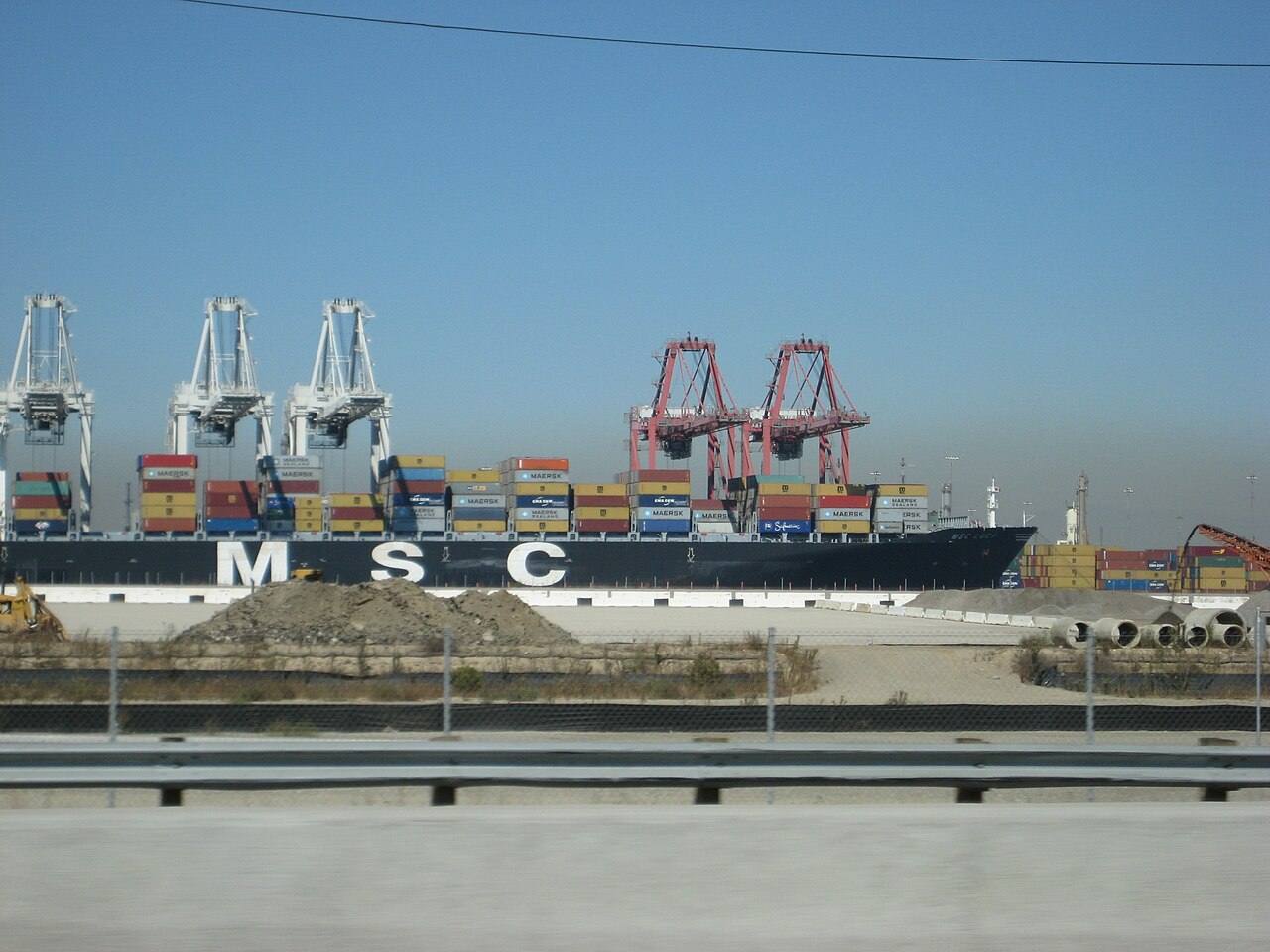
Guardians of the Lanes
As the world becomes increasingly interconnected, the shipping industry has emerged as a cornerstone of global trade. Shipping lanes, those invisible highways of the sea, facilitate the movement of goods across continents. However, the bodies that oversee these routes often act as gatekeepers, focusing more on their own security and less on the needs of the businesses they were designed to support.
From the International Maritime Organization to regional port authorities, these institutions wield significant power over shipping practices. They set regulations and standards that can either streamline operations or bog them down in bureaucratic red tape. While regulations are crucial for safety and environmental protection, they can also become a tool for institutions to consolidate power and protect their interests. In doing so, they risk stifling innovation and competition in a sector that thrives on adaptability.

Excesses of the Right
The recent push from some conservative circles to deregulate shipping lanes may appear to be a boon for business at first glance. However, this ideology often overlooks the importance of oversight in a sector riddled with risk. Shipping companies, driven by profit motives, can prioritize speed over safety. Deregulation may lead to an increase in maritime accidents, threatening not only the environment but also the livelihoods of those who depend on safe maritime practices.
"Deregulation may lead to an increase in maritime accidents, threatening not only the environment but also livelihoods."
Furthermore, the aggressive push to privatize port operations can lead to monopolistic behaviors that ultimately harm consumers and small businesses. When a single entity controls a crucial shipping hub, it can dictate terms that may not necessarily align with the interests of the broader marketplace. The focus shifts from serving the community and fostering competition to maximizing profits at the expense of service quality.
Excesses of the Left
Conversely, the left's approach to regulating shipping lanes often leans toward overreach. The emphasis on environmental regulations, while noble, can sometimes lead to impractical requirements that hinder the industry’s efficiency. A clear case can be seen in the push for stringent emissions standards that, while well-intentioned, can create barriers for companies struggling to comply. This can result in increased operational costs, which are ultimately passed down to consumers.
Moreover, the left's rhetoric surrounding labor rights, while vital, can sometimes lead to excessive demands that alienate businesses. The insistence on unionization and enhanced worker protections is commendable, but it should not come at the cost of economic viability for shipping companies. A balanced approach is necessary, one that recognizes the importance of both labor rights and the need for a competitive shipping landscape.
The Middle Ground
In navigating these turbulent waters, a middle ground must be sought. Institutions governing shipping lanes should prioritize collaboration with industry stakeholders rather than imposing unilateral regulations. By fostering an environment where businesses can voice their concerns and contribute to the regulatory process, we can create a system that balances safety, environmental protection, and economic viability.
It is essential for policymakers to listen to the voices of those who operate within these lanes, understanding that a one-size-fits-all approach rarely works. The shipping industry is diverse, and regulations need to reflect that diversity to be effective. By creating a more inclusive regulatory framework, institutions can better serve the industry and, by extension, the consumers who rely on it.
In conclusion, the future of shipping lanes depends on a balanced approach that considers the needs of all stakeholders involved. Whether leaning left or right, the ultimate goal should be the same: a thriving shipping industry that operates safely, efficiently, and fairly. Only through collaboration can we navigate the complexities of global trade without losing sight of the values that should guide us.
✦ ✦ ✦