From the file. Written for the paper dated March 2006. Opened in the public stacks July 14, 2026.
In a political climate rife with partisan bickering, one issue is consistently overlooked: the influence of lobbyists on both sides of the aisle. As the debate over lobbying disclosure continues to heat up, it is essential to examine how incentives play a role in shaping policy decisions and who ultimately benefits from this hidden influence.
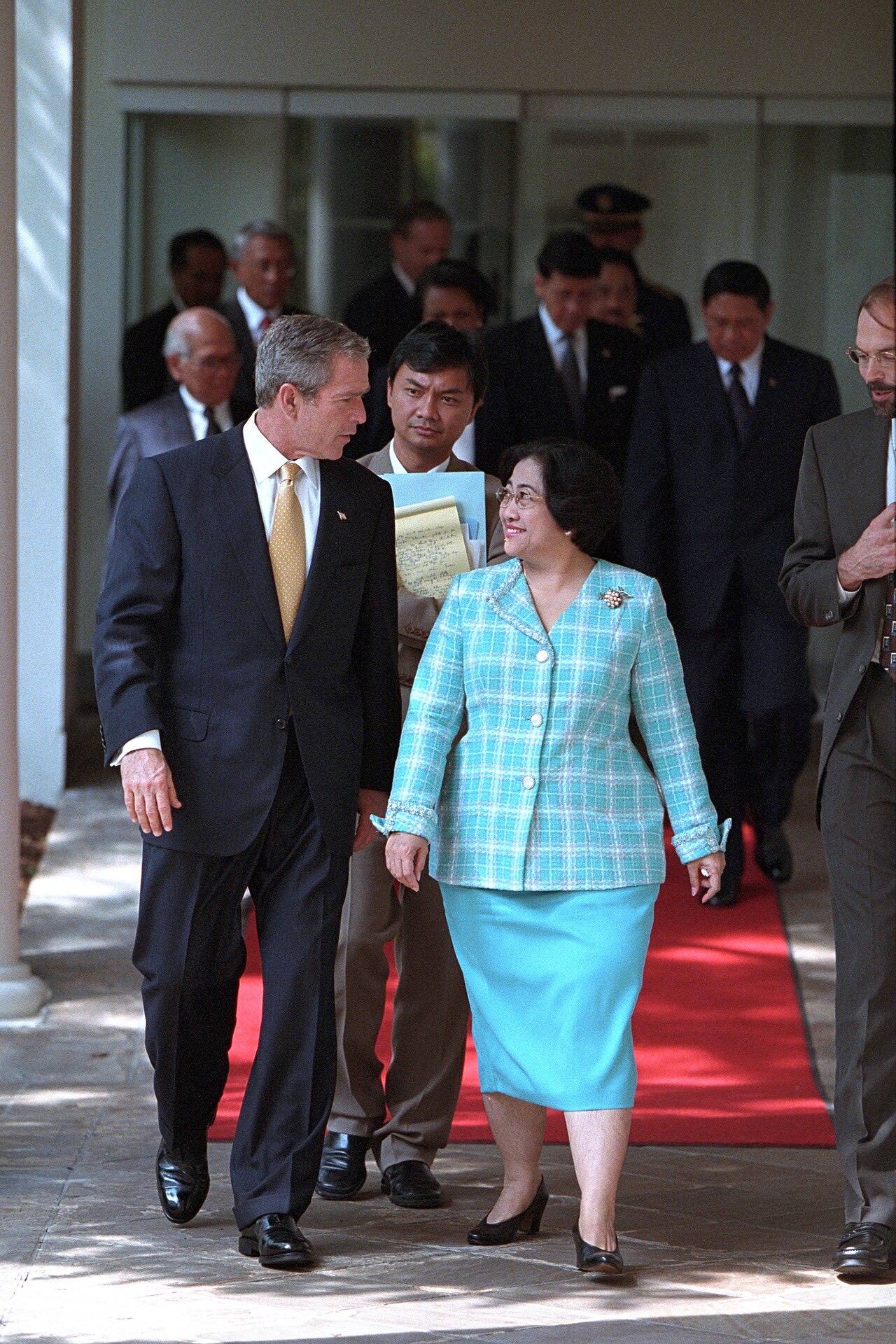
The Bipartisan Nature of Lobbying
Lobbying is often perceived as a tool of the wealthy and powerful, yet it is a bipartisan practice that thrives on both sides of the political spectrum. Democrats and Republicans alike have their share of lobbyists, each vying for attention and influence over legislation. The recent push for stricter lobbying disclosure regulations has raised questions about transparency and accountability, but it has also revealed the complexities of a system that rewards excess on both sides.
On one hand, Democrats argue that increased lobbying transparency is essential for restoring public trust in government. They point to instances where special interests have influenced legislation to the detriment of the average citizen. On the other hand, Republicans often counter that their party has a long history of being targeted by aggressive lobbying efforts, particularly from environmental and labor organizations. This tug-of-war creates a paradox: both sides decry the influence of lobbyists, yet both continue to engage with them.
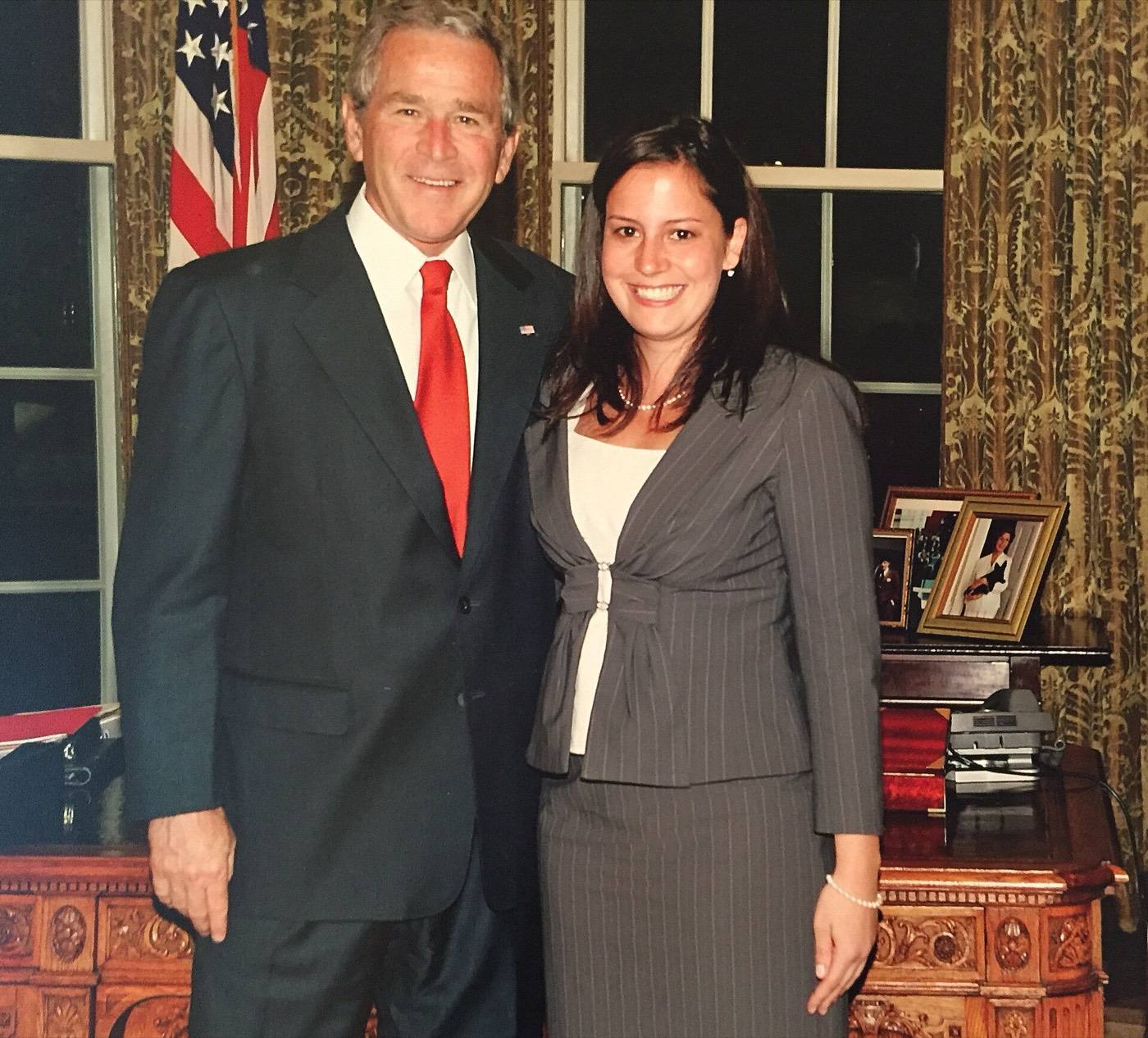
"When it comes to lobbying, both parties have their hands dirty. It's time to clean up the system." - Anonymous
Incentives for Lobbyists
The allure of lobbying lies in the potential for significant financial rewards. Lobbyists are often well-compensated for their work, creating a scenario where the interests of corporations and special interest groups can overshadow the needs of the public. This creates a culture of dependency on lobbying, as politicians find themselves increasingly reliant on these funds to support their campaigns and maintain their influence.
Moreover, the revolving door between government and lobbying firms only exacerbates the issue. Many former lawmakers transition into lucrative lobbying positions, bringing with them a wealth of insider knowledge that can be leveraged to benefit their clients. This practice raises ethical questions about whether politicians are truly serving the public interest or simply catering to the demands of their new employers.
The Public's Distrust
As the public watches these dynamics unfold, skepticism regarding the political process continues to grow. Voter disillusionment is palpable, with many citizens feeling that their voices are drowned out by the chorus of lobbyists. This sentiment is exacerbated by the perception that elected officials are more beholden to wealthy contributors than to their constituents.
Both parties must recognize the impact of this perception on public trust. Democrats have been vocal about the need for reform, but they must also avoid the temptation to engage in the same practices they criticize. Meanwhile, Republicans must confront the reality that their party's ties to powerful lobbyists can undermine their credibility when advocating for the average American.
Potential Solutions
The conversation around lobbying disclosure is crucial, yet it must extend beyond mere rhetoric. Comprehensive reforms are necessary to ensure that lobbying practices operate in a transparent manner that serves the public interest. This includes stricter regulations on campaign contributions, mandatory disclosure of lobbying activities, and a commitment to reducing the influence of special interests in the political process.
Both parties can take meaningful steps toward reform that will restore faith in government institutions. For Democrats, this may mean holding firm on principles of transparency while resisting the allure of corporate donations. For Republicans, it may require a re-evaluation of their relationships with lobbyists and a commitment to prioritizing the needs of their constituents over the demands of special interests.
A Call for Accountability
As the political landscape evolves, the need for accountability in lobbying practices remains paramount. Both parties must recognize that their actions have consequences, and the public is watching. If they fail to reform the system, they risk alienating an electorate that is increasingly weary of the status quo.
Ultimately, the challenge lies in balancing the rights of individuals and organizations to advocate for their interests while ensuring that the democratic process remains fair and accessible to all. The urgency for change is clear, and it is time for politicians to act in the best interest of the people rather than succumbing to the temptations of power and influence.
✦ ✦ ✦