From the file. Written for the paper dated January 2006. Opened in the public stacks July 14, 2026.
As the world grapples with the lingering effects of recent infectious disease threats, discussions about pandemic readiness have reached a fever pitch. But what do the numbers really tell us?
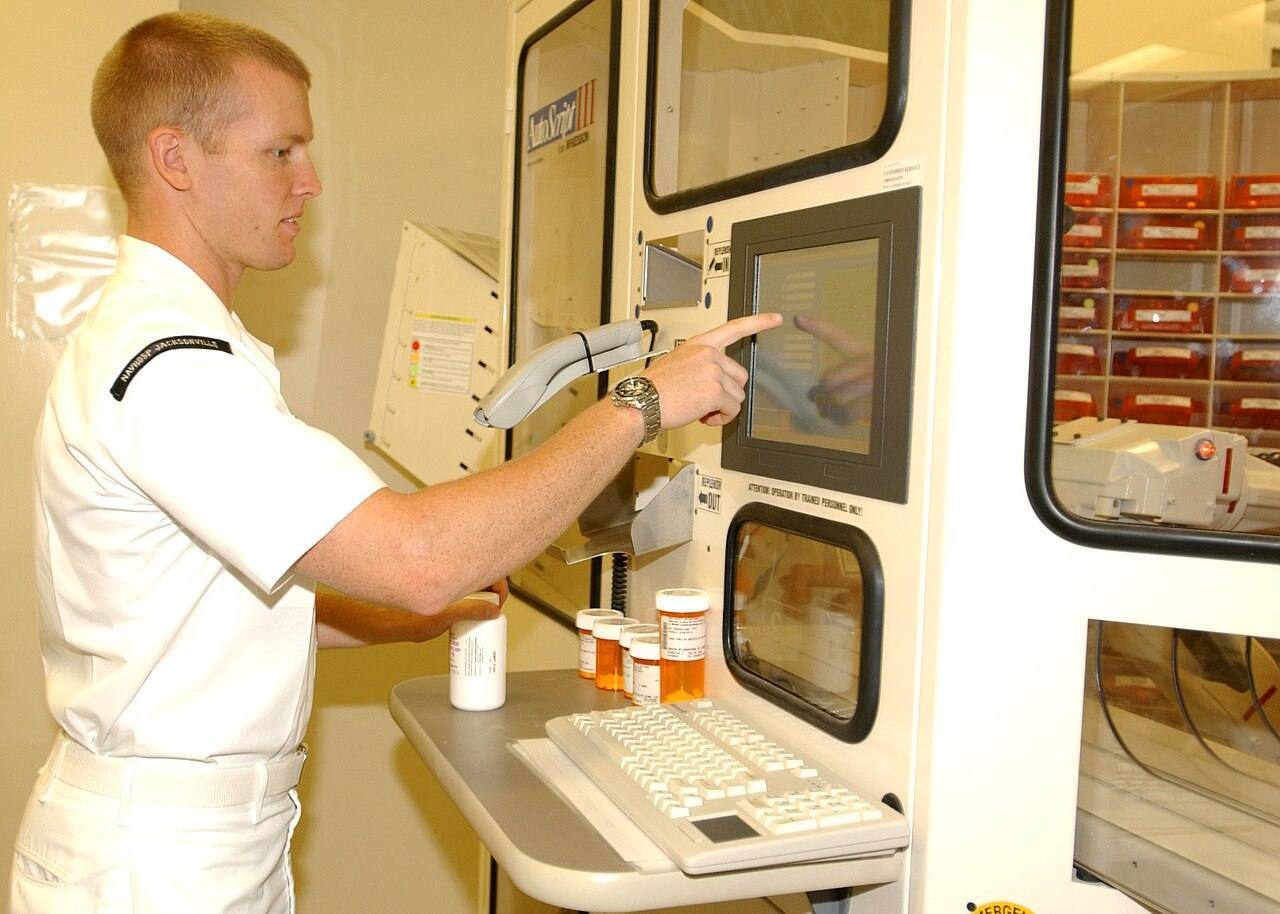
The Current State of Preparedness
The recent outbreaks of avian flu and other contagious diseases have sparked intense debate about the United States' readiness to respond to a pandemic. On one side, proponents of stringent public health measures argue that the government must take a proactive approach to safeguard public health. On the other side, critics caution against overreacting, warning that excessive regulations could infringe on individual freedoms and economic stability.
According to the Centers for Disease Control and Prevention (CDC), the nation has made strides since the early 2000s in bolstering its public health infrastructure. However, recent assessments indicate that while some areas have improved, significant gaps remain. The National Health Security Strategy, a pivotal framework for pandemic preparedness, emphasizes the importance of interagency collaboration, robust surveillance systems, and rapid response capability.
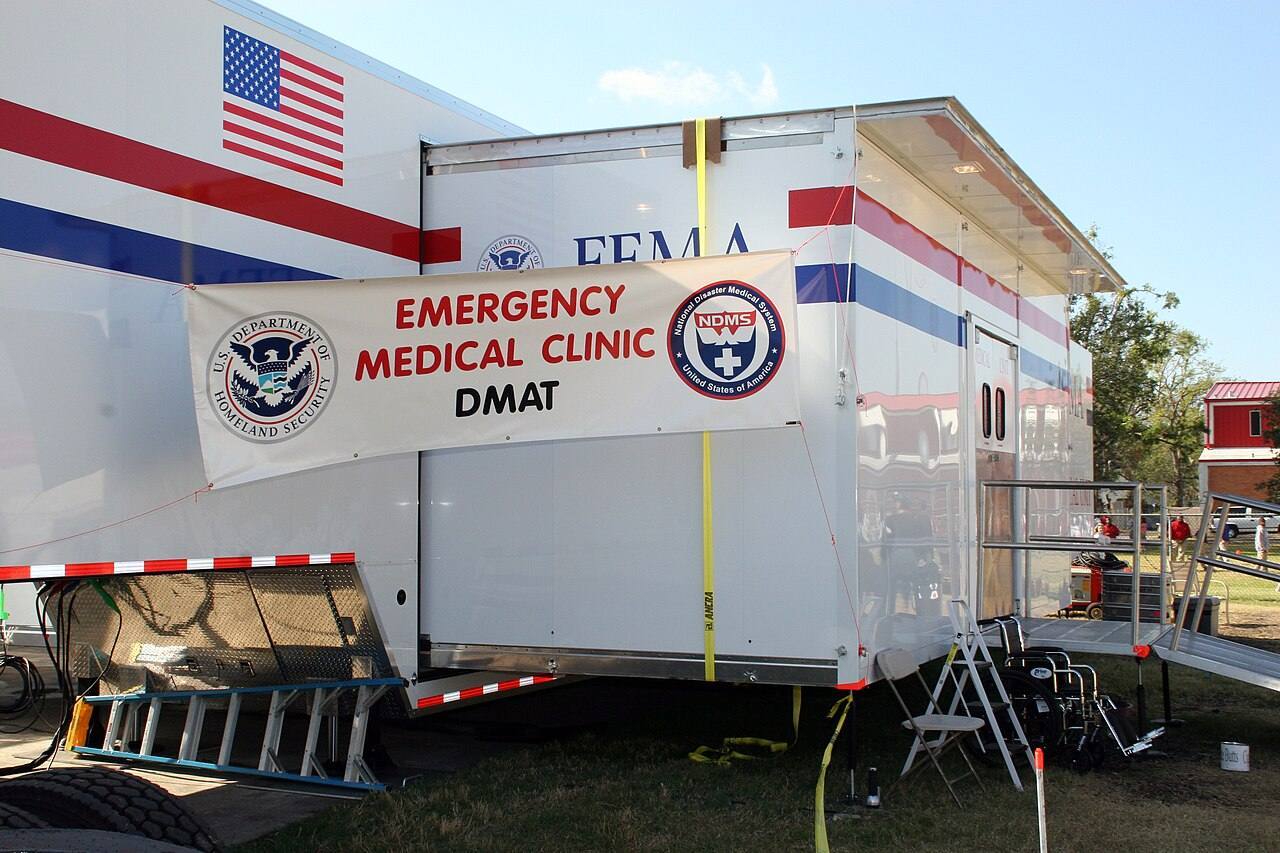
"Preparedness is not just about having the right tools; it's about fostering a culture of readiness at all levels of society."
Despite the government's efforts, a significant portion of the healthcare workforce remains unprepared for a large-scale outbreak. A report from the Institute of Medicine (IOM) highlights that many hospitals lack adequate supplies and trained personnel to deal with a sudden influx of patients during a pandemic. The numbers reveal an alarming reality - only 40 percent of hospitals have comprehensive emergency plans, and less than half have conducted drills to test their readiness.
Funding and Resource Allocation
Funding for pandemic preparedness has been a contentious issue. Advocates urge increased investment in public health initiatives, while critics argue that government spending should be prioritized for other pressing issues, such as education and infrastructure. In 2005, the U.S. Congress allocated approximately $3.8 billion for pandemic preparedness, a figure that many experts believe is inadequate given the stakes involved. Without sustained funding, the nation's ability to respond effectively to a pandemic is severely compromised.
The debate surrounding funding often falls along partisan lines. Some lawmakers argue that increasing public health funding is essential for protecting citizens, while others point to waste and inefficiency in government programs as reasons to restrain spending. This political polarization hampers the ability to forge a unified strategy for pandemic readiness.
Public Perception and Misinformation
Another critical aspect of pandemic readiness is public perception. Surveys indicate that while many Americans express concern over the potential for a pandemic, misinformation and fear can lead to public panic. This is exacerbated by sensationalist media coverage that often focuses on worst-case scenarios, creating an atmosphere of hysteria rather than constructive dialogue.
Public health experts emphasize the importance of clear communication and education to dispel myths and reduce anxiety. However, the challenge remains: how can officials effectively communicate the risks of a pandemic without inciting undue fear? The answer may lie in adopting a balanced approach that fosters public trust and encourages community involvement in preparedness efforts.
"Effective communication is key to ensuring the public understands the risks while remaining calm and informed."
A Call for Collaborative Solutions
In this politically charged climate, it is vital for both sides to recognize the importance of collaboration in addressing pandemic preparedness. Instead of engaging in partisan bickering, lawmakers must prioritize the health and safety of their constituents by working together to develop comprehensive strategies that address funding, resource allocation, and public education.
Moreover, stakeholders across sectors - government, healthcare, and civil society - must unite to create a culture of preparedness. This includes not only investing in infrastructure and training but also fostering community resilience through education and engagement. As we look to the future, the need for a comprehensive, non-partisan approach to pandemic readiness has never been clearer.
Final Thoughts
The numbers paint a complex picture of pandemic readiness in the United States. While there have been improvements, significant gaps remain that threaten the nation's ability to respond to a potential outbreak. It is crucial for all parties - government, healthcare providers, and the public - to come together to address these challenges and ensure the safety and health of all Americans.
✦ ✦ ✦