From the file. Written for the paper dated January 2006. Opened in the public stacks July 14, 2026.
The debate over minimum wage continues to polarize the nation, with fervent arguments emerging from both the left and the right. As of January 2006, we explore what the numbers actually show regarding this contentious issue.

Understanding the Landscape
The minimum wage has long been a flashpoint in American politics, seen by advocates as a necessary tool for ensuring a living wage and by opponents as a potential job killer. The federal minimum wage currently stands at $5.15 an hour, a figure that has remained unchanged since 1997. Advocates argue that this stagnation has led to a decline in purchasing power, while critics contend that raising the minimum wage could lead to increased unemployment and hinder small businesses.
To truly understand the implications of minimum wage adjustments, it is vital to dissect the data. Economists have long debated the correlation between minimum wage increases and unemployment rates, with studies producing mixed results. Proponents of a higher minimum wage cite research indicating that increases do not necessarily lead to job losses, while opponents point to case studies where businesses responded to wage hikes with layoffs.
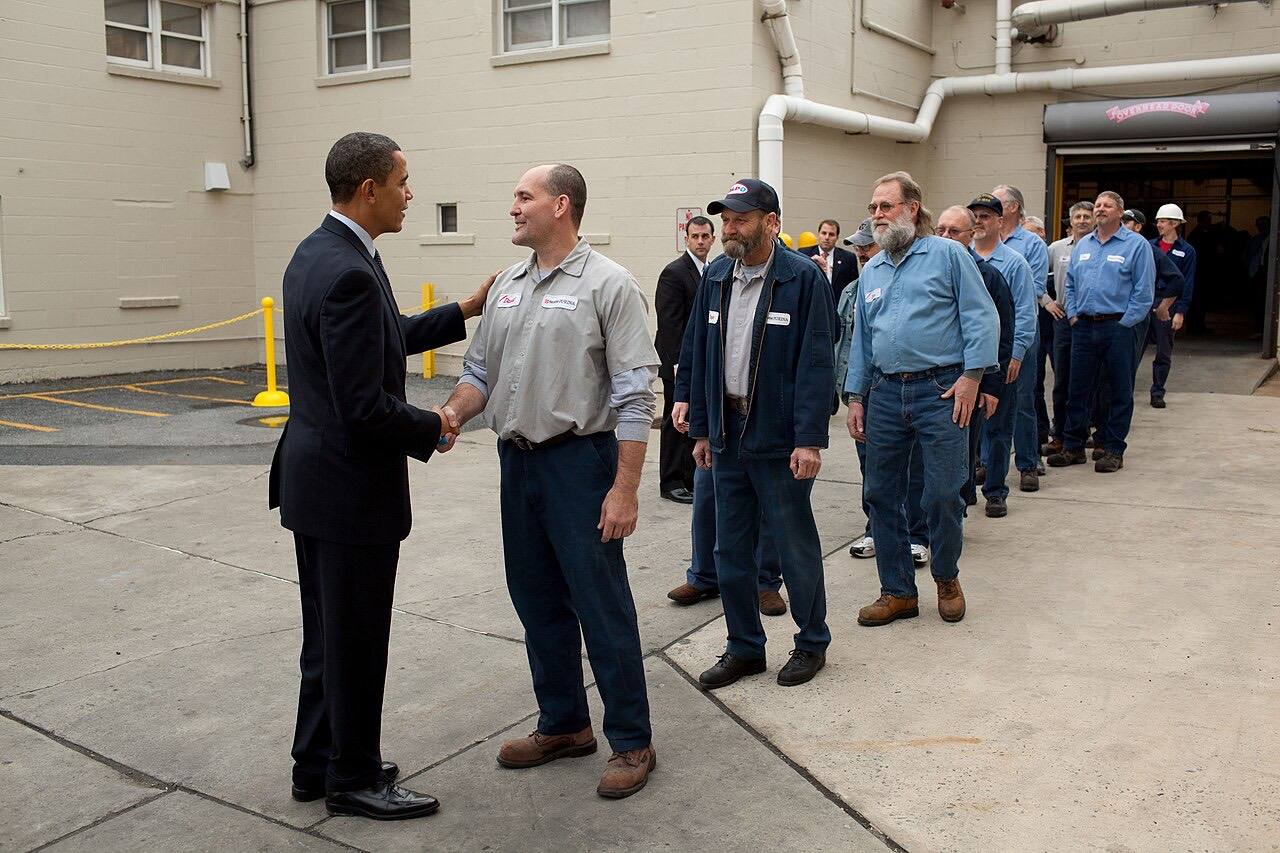
The Left's Argument: A Call for Fairness
Supporters of raising the minimum wage argue that it is a matter of fairness and economic justice. The Economic Policy Institute, a left-leaning think tank, asserts that a minimum wage increase could lift millions of workers out of poverty. They argue that the current wage level is insufficient for individuals and families to meet basic living expenses, let alone save for the future.
"Raising the minimum wage is essential for ensuring that hard-working Americans can provide for their families." - A common refrain among advocates
Moreover, proponents argue that increased wages would lead to higher consumer spending, which in turn could stimulate the economy. As workers have more disposable income, they are likely to spend it on goods and services, thus benefiting businesses and creating an upward cycle of economic growth.
The Right's Perspective: A Cautionary Approach
On the other side of the aisle, conservatives caution against raising the minimum wage, arguing that it could lead to unintended consequences. Many business owners claim that increased labor costs may force them to reduce staff or even close their doors. They contend that small businesses, in particular, may struggle to absorb the additional financial burden of higher wages.
Critics also argue that the minimum wage hike could exacerbate inflation, as businesses pass on costs to consumers. This perspective underscores a fundamental belief in the free market, where wage levels should be determined by supply and demand rather than government mandates.
"A higher minimum wage could lead to job losses and hurt those it aims to help." - A frequent argument from conservative lawmakers
Finding Common Ground
Both sides present valid concerns, yet the debate often devolves into a shouting match, leaving little room for nuanced discussion. It is essential to recognize that while the minimum wage is a crucial issue for many, it is not the only factor influencing poverty and economic mobility.
Instead of viewing the minimum wage debate in black and white terms, it may be beneficial to explore complementary policies that address the root causes of economic disparity. For instance, focusing on job training programs, education, and tax incentives for businesses that create jobs could provide a more balanced approach to tackling poverty.
Conclusion: The Path Forward
As the discourse around minimum wage continues to evolve, it is imperative for policymakers to sift through the data and consider the broader economic landscape. Striking a balance between worker needs and business realities will require collaboration and a willingness to engage in constructive dialogue.
Ultimately, both sides of the aisle must acknowledge that the current minimum wage is a symptom of larger systemic issues. True progress will come not from rigid adherence to ideological positions, but from a commitment to finding solutions that elevate the entire workforce while ensuring economic stability.
✦ ✦ ✦