From the file. Written for the paper dated November 2005. Opened in the public stacks July 14, 2026.
As the media spotlight shifts away from the health crises that have dominated the headlines, public clinics face the daunting task of maintaining services and funding while navigating the complex landscape of public perception and institutional self-preservation.

Public Clinics in the Shadow of Crisis
In recent months, public clinics have found themselves at the forefront of discussions surrounding healthcare accessibility and quality. While the initial outcry over issues such as inadequate funding and patient overflow has generated significant media attention, the ongoing challenges these institutions face often fade from public view. The reality is that many public clinics operate under a constant state of urgency, where the need for resources exceeds what is available. This gap raises the question: how are public clinics protecting themselves in an environment that can shift from crisis to calm almost overnight?
Public clinics are essential for many communities, particularly those with limited access to healthcare. They serve as a lifeline for low-income families and individuals who might otherwise forego necessary medical attention. However, with funding often tied to political whims and public opinion, these institutions are acutely aware of the need to safeguard their operations while also battling the stigma that can accompany their services.
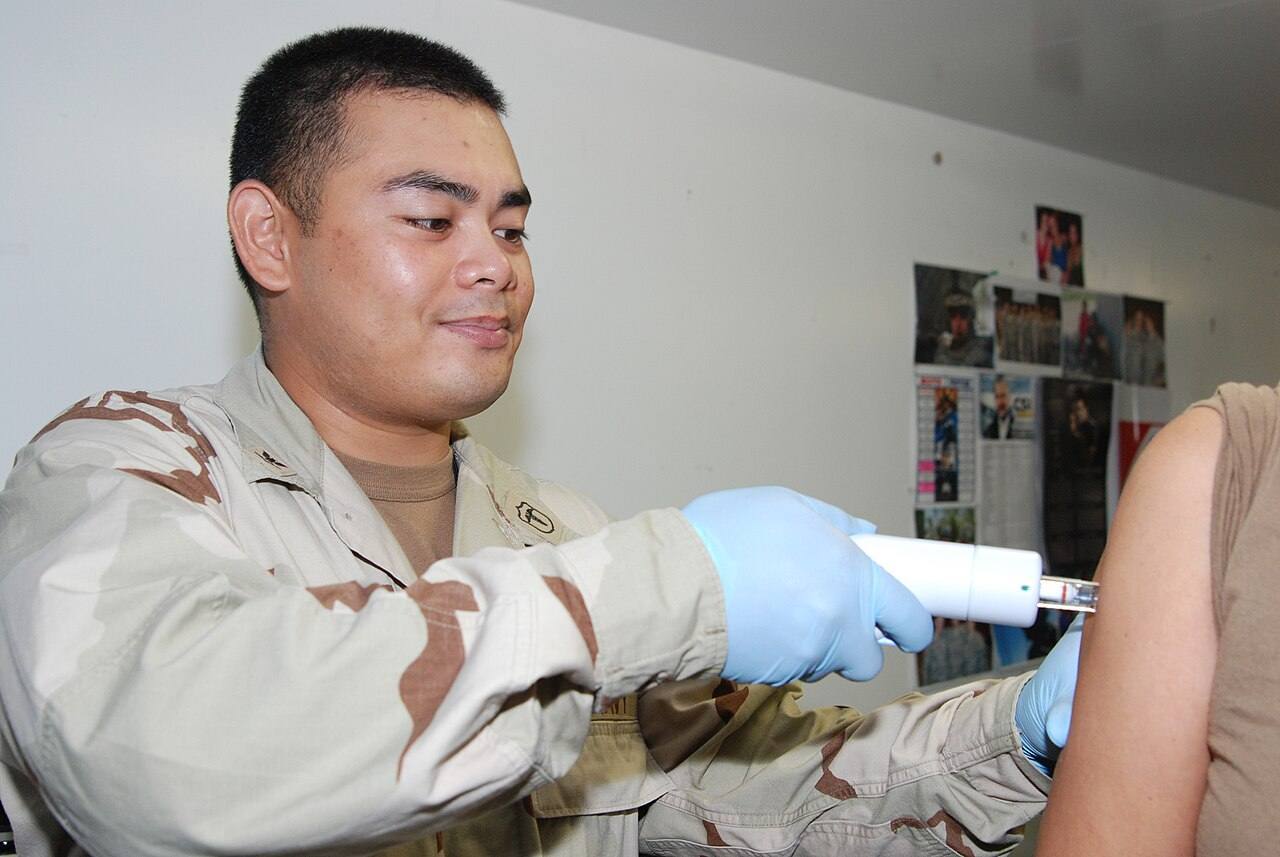
Institutional Self-Preservation
In a climate where healthcare funding can be a contentious issue, many public clinics are adopting strategies that prioritize their survival. This involves not only securing financial resources but also managing public perception. The reality is that the public often has a limited understanding of how these clinics operate and the essential services they provide.
“Public clinics must become not just providers of care, but also adept communicators of their value to the community.”
One approach many clinics are taking is to engage in proactive communication strategies. By highlighting success stories and showcasing the positive impact they have on community health, these institutions are working to reshape their narrative. This is crucial in an era where sensational headlines can overshadow the daily victories that take place within these walls.
Moreover, public clinics are increasingly focusing on forming partnerships with other healthcare providers and organizations. By collaborating with local hospitals, nonprofits, and government agencies, they can leverage resources and expand their reach. This collaborative approach not only enhances service delivery but also fortifies the clinic’s position within the healthcare ecosystem.
The Left’s Call for Universal Coverage
On the left, there is a growing clamoring for universal healthcare coverage, with advocates arguing that public clinics should be at the forefront of such reforms. While the intention behind these calls is laudable, the push for sweeping changes can often overlook the practical realities that clinics face on the ground. The concern is that a one-size-fits-all policy may not take into account the unique needs of individual communities.
Furthermore, some activists risk alienating potential allies by framing the debate in stark terms. The rhetoric surrounding universal coverage can sometimes paint public clinics as failing institutions, rather than recognizing their crucial role in the healthcare system. This can lead to a dangerous narrative that undermines the very clinics that serve as critical access points for many.
The Right’s Focus on Individual Responsibility
Conversely, the right’s emphasis on individual responsibility and market-driven solutions often neglects the systemic barriers that many patients face. While promoting personal accountability is a valid approach, it can inadvertently dismiss the struggles of those who rely on public clinics for their healthcare needs. The simplistic notion that individuals can simply seek out care fails to account for the complexities of poverty, transportation issues, and lack of insurance.
“Both sides of the aisle must recognize that public clinics are not just safety nets; they are integral to the fabric of community health.”
Moreover, the right’s tendency to critique government-run institutions without acknowledging the challenges they face can stymie meaningful dialogue about healthcare reform. Public clinics are not just bureaucratic entities; they are vital extensions of the communities they serve, and their successes and struggles reflect broader societal issues.
A Call for Balanced Dialogue
As public clinics continue to navigate the tumultuous waters of funding and public perception, it is essential for both sides of the political spectrum to engage in a balanced dialogue. The left must recognize the importance of operational realities, while the right should consider the systemic challenges that necessitate the existence of public clinics in the first place. Only through an understanding of these dynamics can we forge a path toward more effective healthcare solutions.
In conclusion, public clinics are more than just medical facilities; they are community institutions that require support and understanding from the public and policymakers alike. As the headlines fade, it is imperative that we do not forget the vital role these clinics play in our healthcare system. Without a concerted effort to protect and promote these institutions, we risk losing a crucial resource for countless individuals who depend on them for their health and well-being.
✦ ✦ ✦