From the file. Written for the paper dated November 2005. Opened in the public stacks July 14, 2026.
In an age where headlines scream for our attention, a curious phenomenon emerges: civic boredom. As the initial fervor of news cycles fades, Americans find themselves grappling with disengagement, a troubling trend that both political extremes seem ill-equipped to address.

Understanding Civic Boredom
Civic boredom can be understood as the disconnect that arises when citizens feel alienated from the very institutions designed to represent them. This disillusionment is not merely a byproduct of apathy; it is a symptom of a larger malaise that affects our democracy. The constant barrage of sensational journalism, coupled with the increasingly polarized political climate, has left many feeling that their participation in civic life is futile. As headlines compete for our attention, the substance behind them often gets lost in the noise.
On one side, we have the far left, which often positions itself as the champion of the disenfranchised. However, in its zeal to fight perceived injustices, it sometimes resorts to rhetoric that alienates potential allies. The focus on identity politics and the relentless critique of existing institutions can create an atmosphere that discourages dialogue and collaboration. Instead of fostering inclusivity, this approach can lead to a sense of division that many find exhausting, further contributing to civic boredom.
Conversely, the far right often employs a different tactic: it simplifies complex issues into catchy slogans that resonate with those frustrated by the status quo. Yet, this reductionist approach can also lead to disengagement. When citizens are offered only simplistic solutions to multifaceted problems, the rich tapestry of civic engagement can fray. Rather than encouraging meaningful participation, this oversimplification can leave individuals feeling overwhelmed and, ultimately, uninterested.
Institutional Self-Preservation
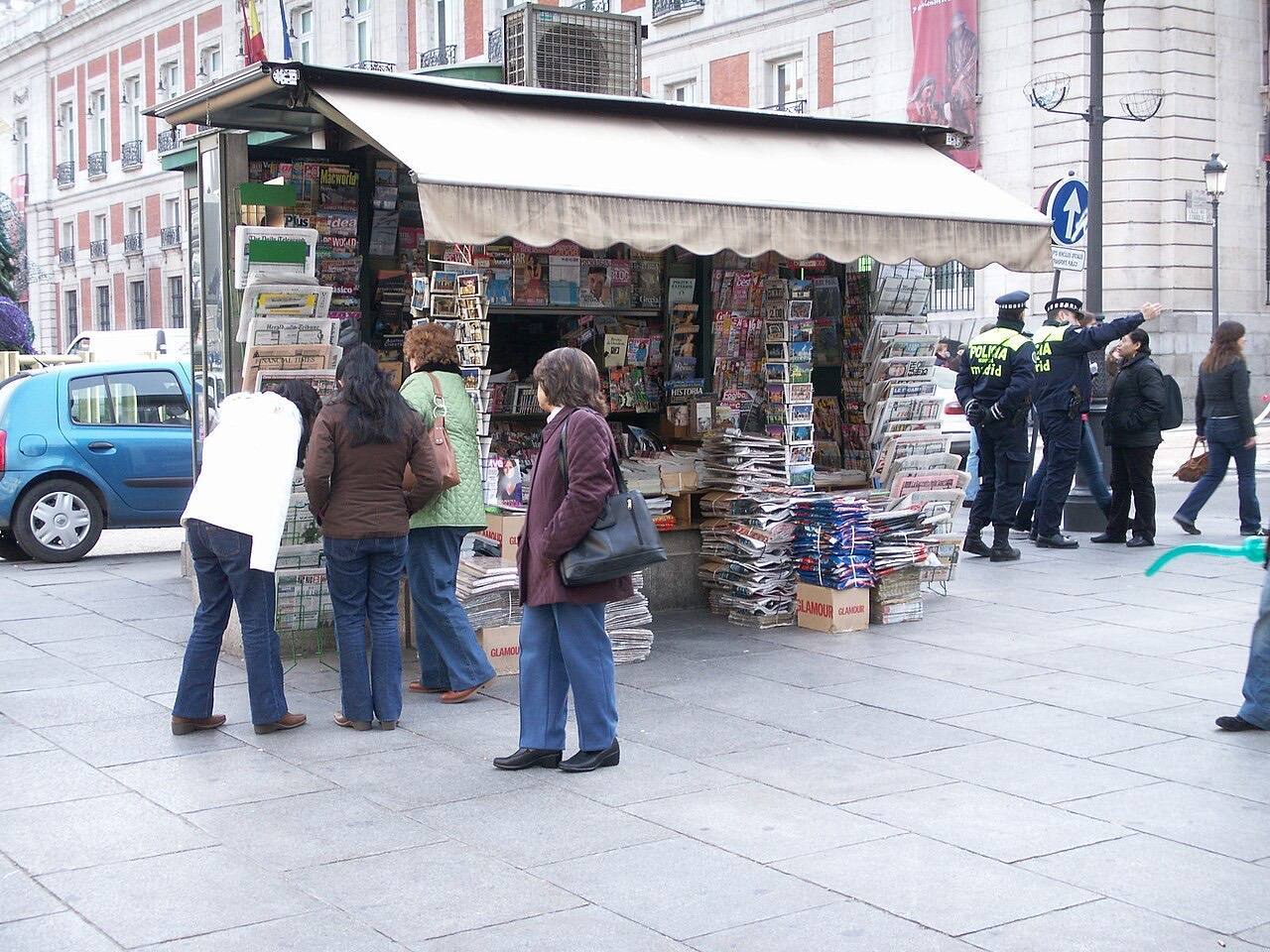
As civic boredom takes hold, institutions seem more focused on self-preservation than on engaging with the populace. The media, for example, often prioritizes sensational stories that drive ratings over substantive journalism that informs the public. This shift not only erodes trust but also perpetuates a cycle of ignorance and disengagement. When the media fails to deliver meaningful content, it ultimately undermines its own role as the fourth estate, leading to a populace that is less informed and less inclined to participate in civic life.
Political parties are not immune to this trend. Rather than adapting to the needs of their constituents, they often cling to outdated models of engagement that fail to resonate with younger voters. This entrenched approach can create a feedback loop wherein the parties preach to the choir without ever expanding their base. In doing so, they risk alienating those who might otherwise engage with their platforms.
“Civic boredom is not just about individual apathy; it reflects a systemic failure of engagement.”
Bridging the Gap
To combat civic boredom, both the left and right must recognize the value of genuine dialogue. Solutions should not be framed in terms of ideological purity but rather as collaborative efforts to address the real needs of the community. For the left, this means moving beyond identity politics to embrace a more inclusive approach that emphasizes common ground. For the right, it involves recognizing the complexities of governance and resisting the urge to reduce issues to sound bites.
Moreover, institutions must take responsibility for their roles in fostering civic engagement. Media outlets should prioritize investigative journalism that illuminates important issues rather than sensational headlines. Political parties must rethink their engagement strategies, perhaps by leveraging town hall meetings and community forums that allow for open dialogue. By facilitating discussions that include diverse perspectives, institutions can help alleviate civic boredom and reinvigorate public interest.
Conclusion: A Call to Action
Ultimately, addressing civic boredom requires a concerted effort from all sides. Citizens must be encouraged to participate, while institutions must adapt to foster an environment where engagement is valued. Only then can we hope to revive a sense of civic duty and responsibility that has waned in recent years. The stakes are high; our democracy depends on it.
✦ ✦ ✦