From the file. Written for the paper dated September 2005. Opened in the public stacks July 14, 2026.
As the dust settles on yet another union election, both sides of the political aisle are quick to claim victory or lament defeat. But what often gets lost in the cacophony of headlines are the deeper implications of these electoral outcomes and the ongoing challenges faced by labor organizations.
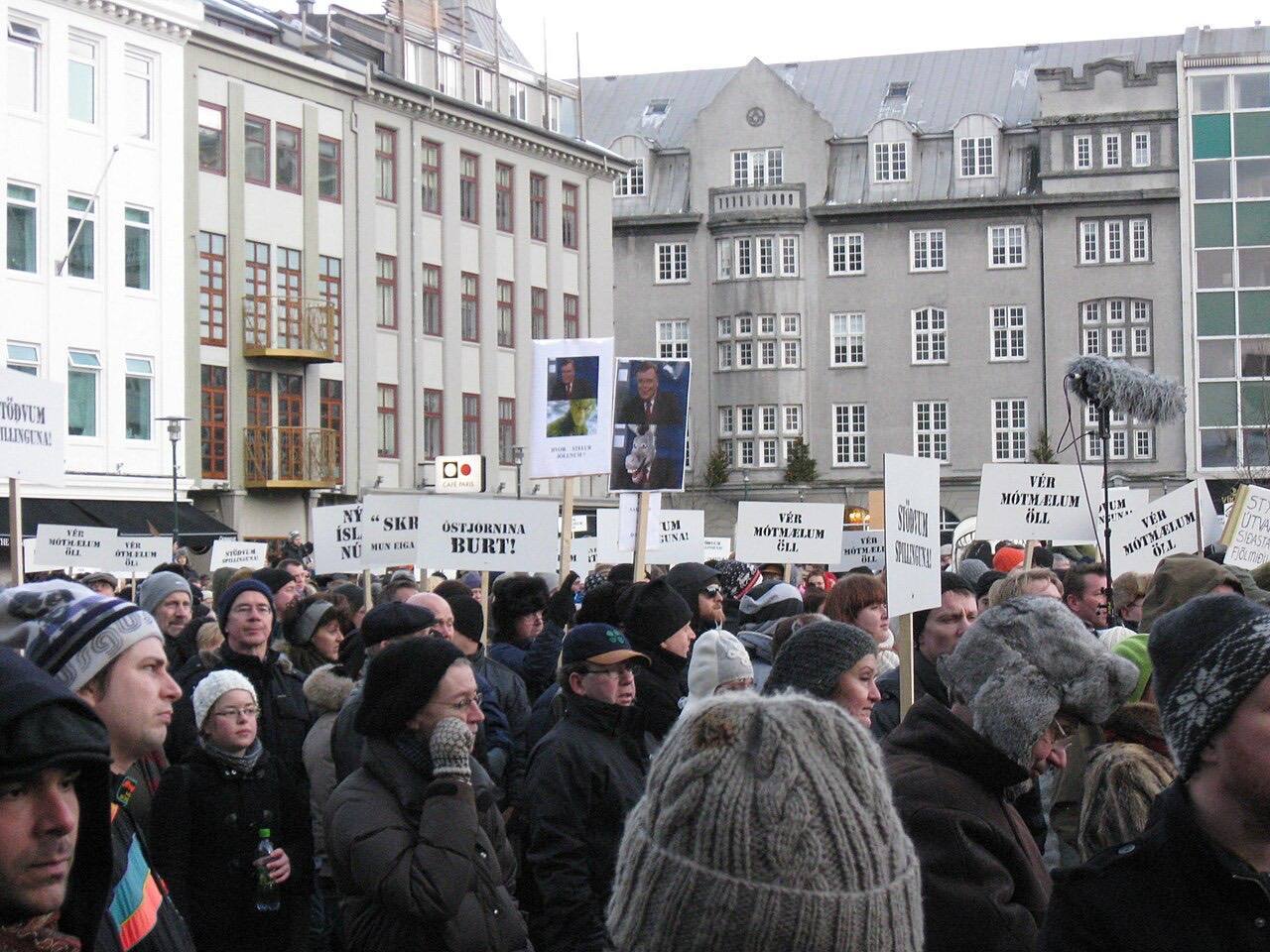
The Battle Lines Drawn
In recent months, labor unions have taken center stage in the American political discourse. With high-profile elections in sectors like manufacturing and service industries, the tension between labor rights advocates and corporate interests is palpable. However, the sensationalist coverage tends to focus on the immediate results and the rhetoric used by both sides, leaving out the subtleties and complexities that shape these elections.
"The narrative around union elections often simplifies a multifaceted issue into a binary choice."
One must ask: What gets left out when the headlines fade? For instance, many reports overlook the internal challenges within unions themselves. While the public narrative often depicts unions as unified fronts against corporate greed, the reality is more nuanced. Disagreements on strategy, leadership, and priorities frequently emerge, leading to fractures that can weaken their bargaining power.
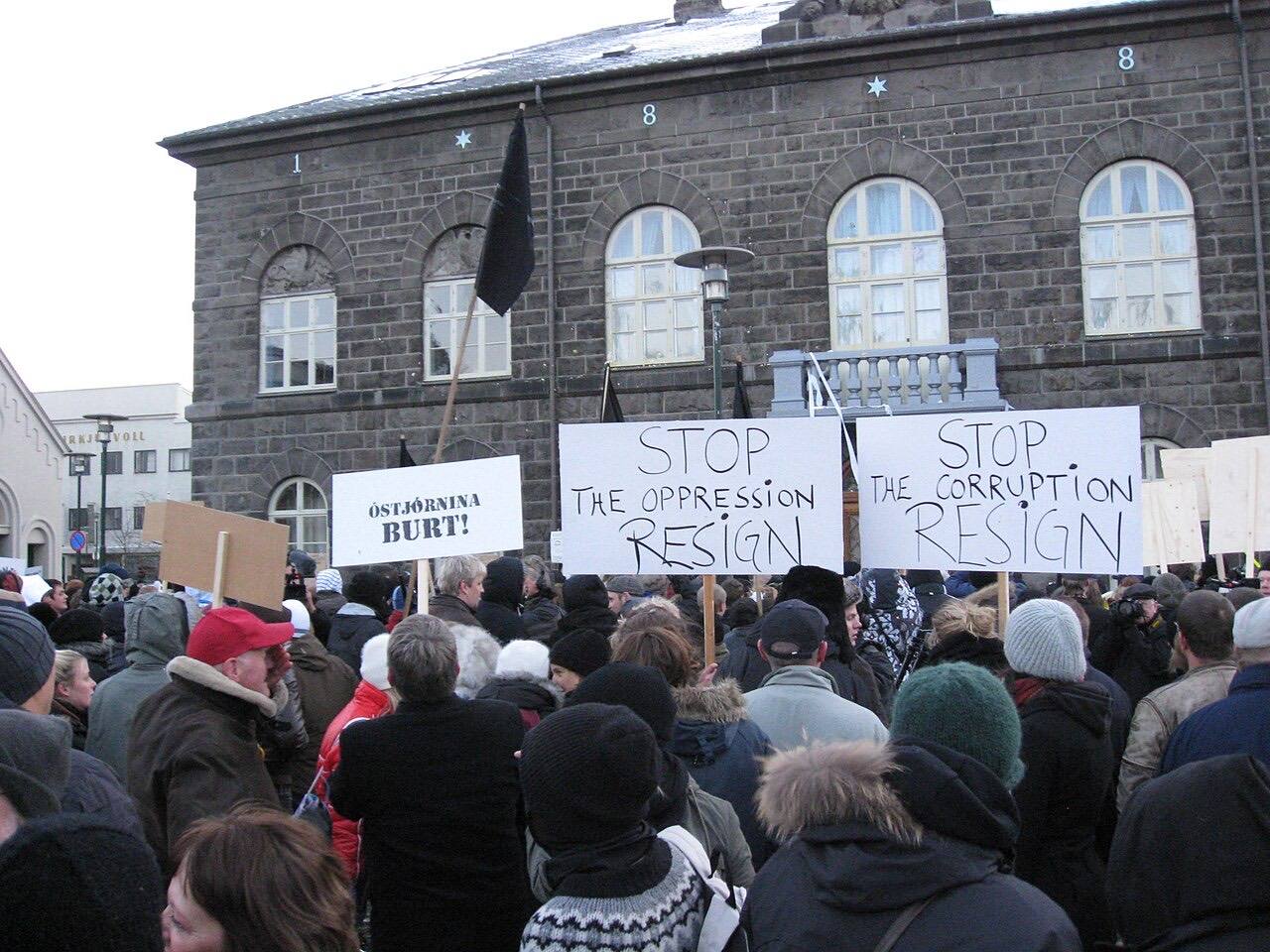
The Corporate Response
On the corporate side, the tactics employed to sway union elections are often glossed over. Companies are increasingly employing sophisticated strategies to counter unionization efforts, ranging from legally dubious tactics to overt intimidation. The media often focuses on the high-stakes drama of election day but fails to adequately report on the months of groundwork laid by corporations to influence voter sentiment.
Political Posturing
The political ramifications of union elections cannot be overstated. Both major parties are eager to align themselves with labor movements, yet their commitment often fades once the cameras are off. The Democrats, traditionally seen as the party of labor, have faced criticism for not fully supporting union initiatives, especially in light of the recent push for more progressive policies. Meanwhile, Republicans are quick to brand unions as relics of a bygone era, often ignoring the real economic inequalities that continue to plague the workforce.
"Both parties seem more interested in leveraging union sentiments for political gain than in genuinely addressing worker issues."
This political posturing becomes particularly problematic when one considers the genuine struggles facing workers today, such as stagnant wages, job security, and the erosion of benefits. The rhetoric surrounding union elections often serves to distract from these issues, as partisan agendas overshadow the real needs of the labor force.
The Voices of Workers
In the midst of the political machinations and corporate strategies, the voices of workers often remain unheard. Many workers desire meaningful representation and protection, yet their stories are often reduced to sound bites in a larger narrative. Union elections should serve as a platform for these voices, but the focus on electoral outcomes frequently sidelines the individual experiences that drive workers to seek union representation in the first place.
Conclusion: A Call for Nuance
The upcoming weeks will likely see more headlines about union elections and their implications for the American workforce. However, it is essential to maintain a sense of nuance amid the political and corporate posturing. The realities of labor relations are not simply black and white; they are filled with shades of gray that require careful consideration and understanding.
As journalists and citizens, we must push for a more comprehensive narrative - one that goes beyond the surface-level headlines and delves into the underlying issues at play. Only then can we hope to foster an environment where workers' rights are truly championed and the complexities of labor relations are acknowledged.
✦ ✦ ✦