From the file. Written for the paper dated August 2005. Opened in the public stacks July 14, 2026.
As the race for the 2008 presidential election heats up, the primary calendar is coming under scrutiny and revealing numbers that both political parties may find uncomfortable.
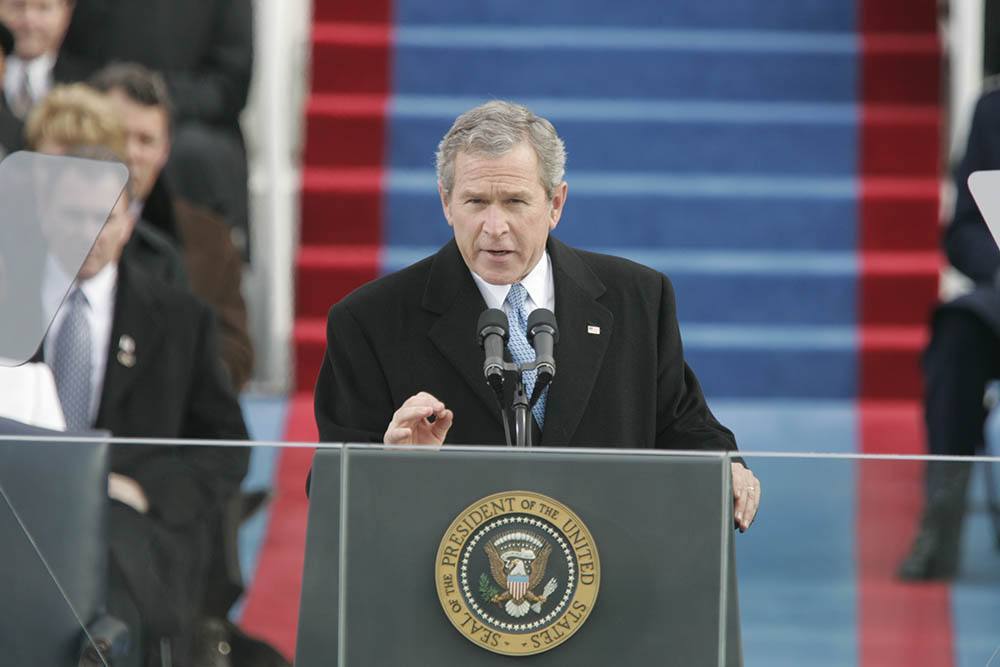
Understanding the Primary Calendar
The primary calendar is crucial for candidates hoping to secure their party's nomination. It sets the stage for the momentum needed to mount a successful campaign. With states jockeying for position and the early primaries often determining the viability of candidates, the stakes are high. Analyzing the calendar is essential, but the numbers tell a story that is not as straightforward as many would like to believe.
Left-Wing Enthusiasm vs. Right-Wing Rhetoric
The left, buoyed by a sense of optimism in the wake of the 2004 election, is sometimes guilty of overestimating their chances based on early polls. The progressive wing believes that an energized base will carry them through the primaries, but they overlook critical factors such as voter turnout and demographic shifts. The numbers may show enthusiasm, but they also reveal a divided party. The challenge for Democrats is to unify these factions without alienating the more moderate voters who play a pivotal role in the primaries.

Conversely, the right is not without its excesses. The Republican Party continues to grapple with the legacy of the Bush administration. While some factions double down on conservative ideologies, others advocate for a more centrist approach. The conflict is apparent in the primary calendar, where candidates must navigate between appealing to the party's base and attracting independent voters. The numbers indicate that while the party is solidifying its identity, there is a growing concern about how far right candidates might push the electorate away.
"The primary calendar is more than just dates; it's a battleground for the soul of each party."
The Numbers Behind the Calendar
Looking at the numbers, we see a clear pattern emerging. States like Iowa and New Hampshire continue to hold significant influence, but their role is increasingly questioned. Critics argue that the small, predominantly white demographics do not accurately represent the nation as a whole. As the calendar shifts, it highlights discrepancies in representation that both parties must address if they hope to capture the broader electorate.
Moreover, the front-loading of primaries poses another challenge. Candidates who perform well in early states gain momentum and funding, creating an uneven playing field. This phenomenon can lead to a situation where candidates with strong grassroots support are overshadowed by those with better financial backing. The numbers indicate that while some states are moving their primaries earlier, others are stuck in a more traditional timeline, creating a patchwork of advantages and disadvantages that complicates the electoral process.
The Danger of Oversimplification
Both sides of the political spectrum must be cautious of oversimplifying the implications of the primary calendar. For the left, the tendency to cling to optimistic polling may lead to complacency. For the right, the focus on ideological purity could alienate crucial segments of the voting populace. The numbers show that the electorate is more nuanced than party lines suggest, and candidates must adapt to this reality.
Furthermore, the reliance on polls can create a false sense of security. Polling data can fluctuate wildly based on current events, media coverage, and even the candidates' own actions. As we approach the primaries, candidates must remember that numbers are only one aspect of a much larger picture. The actual engagement of voters will play a critical role in determining the ultimate outcome.
Conclusion: The Road Ahead
As we look ahead to the primaries, both parties must take a hard look at what the numbers reveal about their strategies and voter engagement. The primary calendar is not just a series of dates; it is a reflection of the political landscape and the challenges that lie ahead. The left must unify its base without sacrificing its ideals, while the right must navigate the fine line between conservatism and broader appeal.
✦ ✦ ✦