From the file. Written for the paper dated August 2005. Opened in the public stacks July 14, 2026.
The recent surge in commodity prices has stirred a whirlwind of speculation across the economic landscape. With the price of oil climbing to unprecedented levels, and agricultural products following suit, both sides of the political spectrum are eager to seize the narrative. But what do the numbers truly reveal about this spike?
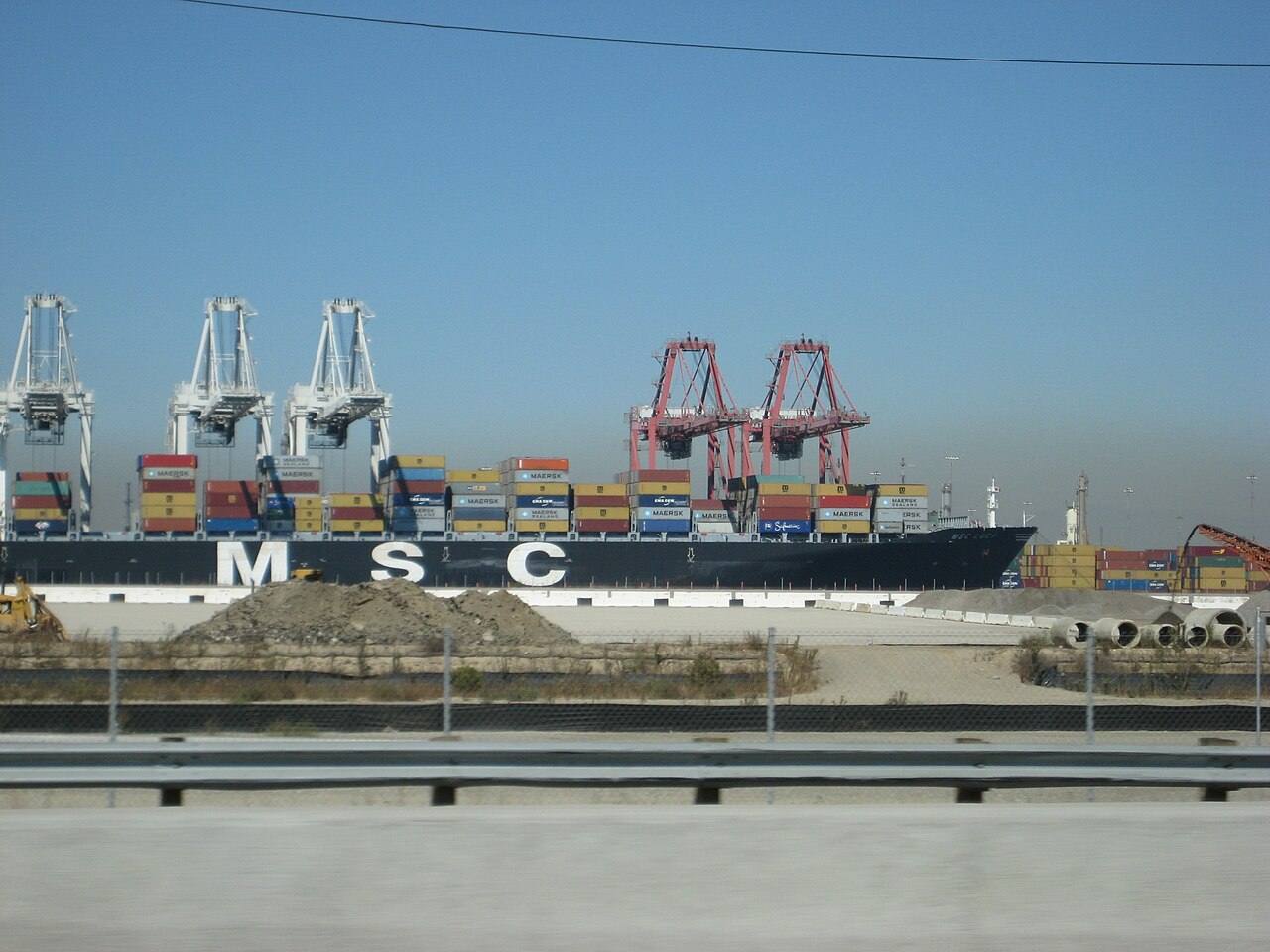
Commodity Prices on the Rise
The numbers speak volumes. As of August 2005, crude oil prices have surpassed $60 a barrel, a stark increase from just a year ago. This spike has been attributed to a myriad of factors, including geopolitical tensions, supply chain disruptions, and a growing demand from emerging markets. Yet, the rise is not confined to oil alone. Metals such as copper and aluminum have also seen significant surges in price, while agricultural commodities like corn and wheat are climbing steadily.
Critics on the left argue that this price hike is a direct result of corporate greed and the unchecked power of energy companies. They point to massive profits reported by oil companies and call for increased regulation, suggesting that the free market is failing consumers. Meanwhile, the right counters that the blame lies with government policies and excessive taxation, which they claim stifle production and drive prices upward. The truth, however, is more complex.
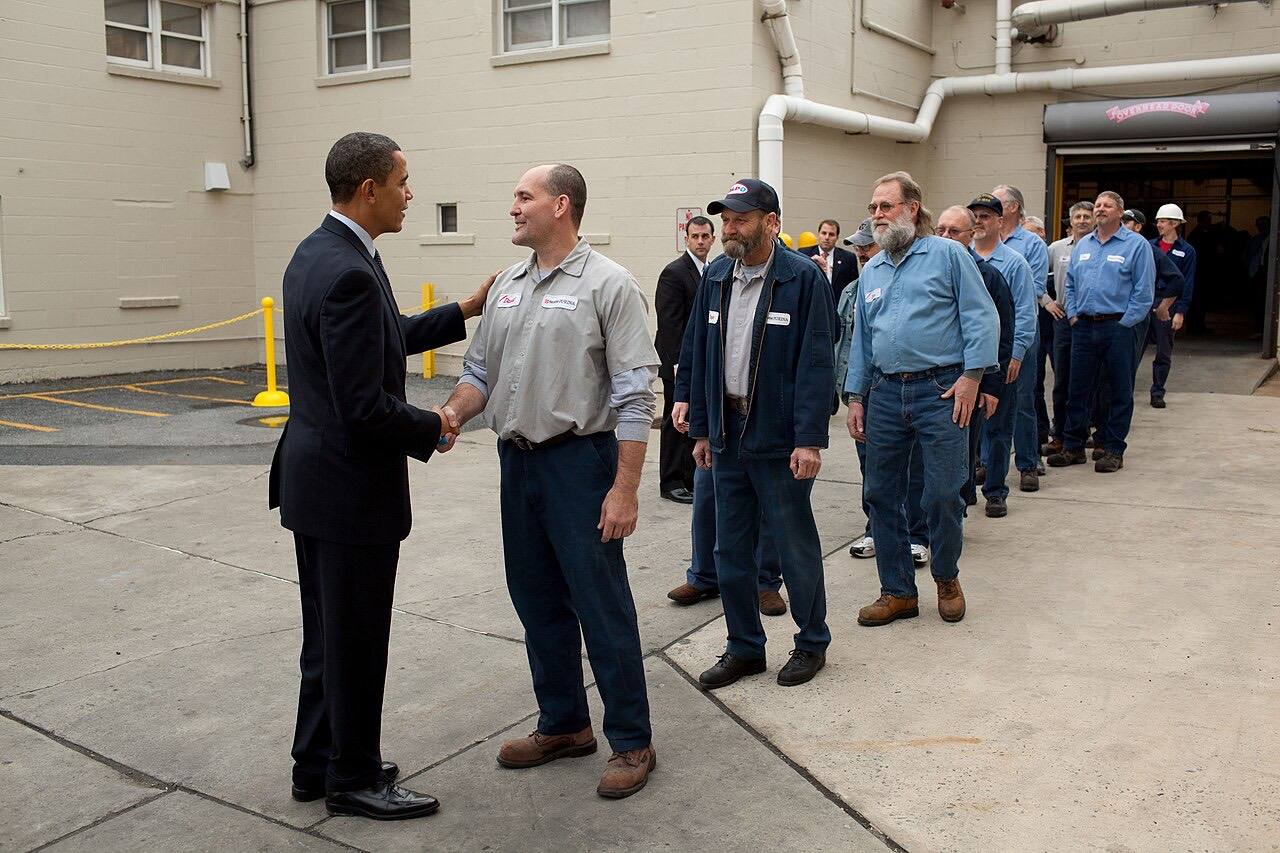
The Nuanced Reality
While both sides are quick to push their narratives, the reality is that commodity prices are influenced by a range of factors that cannot be boiled down to simplistic arguments. For instance, the rising demand from countries like China and India plays a pivotal role in the current commodity climate. As these economies continue to grow, their appetite for resources increases, putting additional pressure on global supply.
“The tragic irony is that both sides are partially right, yet they fail to grasp the full picture.”
Moreover, geopolitical instability in oil-rich regions, such as the Middle East, continues to create uncertainty in the markets. The ongoing conflict in Iraq and tensions with Iran only amplify these concerns, leading to speculative trading that exacerbates price fluctuations. Additionally, natural disasters and climate change-related events can disrupt agricultural production, driving up food prices and affecting related commodities.
Political Responses and Missteps
In the face of these challenges, political responses have often missed the mark. The left’s call for increased regulation may indeed help curb corporate excesses, but it also risks stifling innovation and investment in energy production. On the other hand, the right’s insistence on tax cuts and deregulation overlooks the need for a robust framework that ensures fair competition and protects consumers from price gouging.
The reality is that both sides must recognize the interconnectedness of global markets and the multifaceted nature of commodity pricing. Policies that do not take into account the global landscape may ultimately prove ineffective and detrimental to consumers. A balanced approach is essential - one that encourages responsible corporate behavior while fostering a competitive market environment.
Consumer Impact and Public Sentiment
As prices continue to rise, the impact on consumers cannot be ignored. Many families are feeling the pinch as fuel costs soar and grocery bills climb. Public sentiment is increasingly volatile, with frustrations boiling over into protests and calls for action. Yet, the solutions proposed often reflect the extremes of the political spectrum, rather than a measured response that addresses the root causes of the problem.
The challenge now lies in navigating these tumultuous waters. As commodity prices continue to fluctuate, both consumers and policymakers must remain vigilant and informed. The economy is not a monolith; it is an intricate web of interdependencies that requires thoughtful consideration rather than knee-jerk reactions.
Moving Forward
In conclusion, the current commodity spike is not merely a product of corporate greed or governmental mismanagement. It is a reflection of a complex interplay of global factors that demand a nuanced understanding. As we move forward, it is imperative that we reject sweeping generalizations and work towards solutions that foster stability and growth without sacrificing accountability.
✦ ✦ ✦