From the file. Written for the paper dated July 2005. Opened in the public stacks July 14, 2026.
As the dust settles from the latest headlines surrounding America's military engagements abroad, the debate over war powers remains as contentious as ever. In a political climate where certainty sells briskly, both the left and right are staking their claims on this critical issue, often overshadowing the nuanced realities of governance and national security.

The Dividing Lines of Certainty
In recent months, the rhetoric surrounding the war powers debate has intensified. On one side, we have a chorus of voices from the left arguing for a reevaluation of the executive branch's authority to deploy military force without Congressional approval. They cite the need for transparency and a return to constitutional principles, framing their arguments in terms of accountability and the dangers of unchecked presidential power. However, their calls for restraint can sometimes veer into a dismissive attitude toward the complexities of warfare, painting military actions as purely a matter of policy rather than a response to rapidly evolving global threats.
On the right, the narrative is often one of unwavering support for the President's decisions, championing a strong military presence as essential for national security. This approach, while rooted in a desire to project strength, can also lead to a troubling dismissal of dissent and an over-reliance on military solutions to political problems. The mantra of 'support our troops' has become a shield against any critical examination of military engagements, effectively stifling meaningful debate about the direction of U.S. foreign policy.
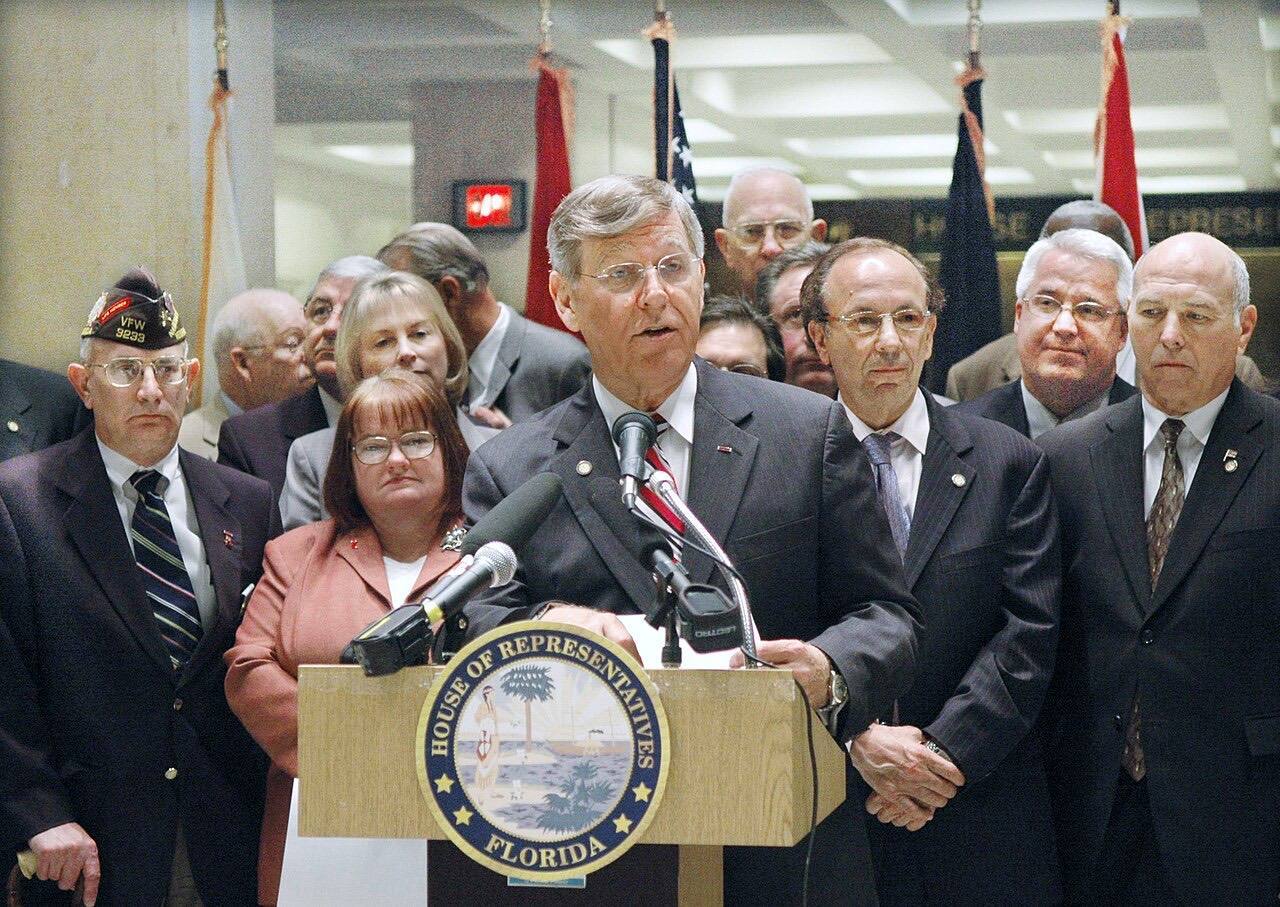
"In a political climate where certainty sells briskly, both sides are more interested in winning arguments than in fostering genuine dialogue."
The Cost of Certainty
The polarization of the war powers debate has far-reaching implications. Each side is quick to dismiss the other's arguments, reducing complex issues to sound bites that play well on news cycles but fail to address the underlying concerns of the American public. The left often frames the discussion in terms of humanitarianism and the moral obligations of the U.S., while the right emphasizes the importance of a robust national defense against perceived threats.
This binary approach overlooks the fact that there are legitimate concerns on both sides. Many Americans are genuinely worried about the implications of military interventions, including the loss of life, the financial burden on taxpayers, and the long-term consequences of foreign policy decisions. Yet, in a climate where certainty is prized, the complexities of these issues are often overshadowed by the need to be on one side or the other.
A Call for Nuanced Discussion
What is needed now more than ever is a space for nuanced discussions that go beyond the prevailing narratives. It is crucial to recognize that the issues surrounding war powers are not merely partisan talking points but are deeply intertwined with the principles of democracy, governance, and the safety of the nation. As citizens, we must demand more from our leaders, urging them to engage in thoughtful debate rather than merely rallying their bases.
For the left, this means advocating for a measured approach that respects both the Constitution and the realities of global conflict. It involves recognizing that while the President should be held accountable, there are times when swift action may be necessary to protect national interests. On the right, it is essential to acknowledge that blind support for military actions can lead to disastrous consequences and that a critical examination of decisions is not synonymous with a lack of patriotism.
"What is needed now more than ever is a space for nuanced discussions that go beyond the prevailing narratives."
The Role of the Media
The media plays a pivotal role in shaping the narrative around war powers. In an age where the 24-hour news cycle demands constant commentary and analysis, there is a tendency to reduce complex issues into easily digestible sound bites. This can lead to a superficial understanding of the implications of military actions and war powers, leaving the public ill-equipped to engage in meaningful dialogue.
Journalists must resist the temptation to conform to the prevailing narratives of the left or right, instead striving for objectivity and depth in their reporting. By presenting a balanced view that includes diverse perspectives, the media can help foster a more informed electorate, capable of engaging in the complex discussions that war powers demand.
Moving Forward
As we navigate the complexities of war powers, it is imperative that we foster a culture of dialogue that transcends partisan divides. The stakes are too high for us to settle for certainty over substance. The American public deserves a thoughtful examination of the issues at hand, one that encourages critical thinking and respects the gravity of military engagement.
In the end, the war powers debate is not just about who holds the authority to act but about the principles that guide our nation as we confront the challenges of a changing world. We must strive for a more informed and nuanced approach that honors our democratic values while addressing the realities of global conflict.
✦ ✦ ✦