From the file. Written for the paper dated July 2005. Opened in the public stacks July 14, 2026.
In the wake of intense media coverage surrounding the healthcare crisis, public clinics are seeing an unexpected surge in patronage. As the headlines fade, the question remains: why are these clinics so appealing, and what does this say about our societal attitudes towards healthcare?

The Rise of Public Clinics
In recent months, public clinics across the nation have become the focal point of healthcare discussions, drawing attention from both advocates and skeptics alike. With rising costs and limited access to private health care options, many individuals are turning to public clinics as a viable alternative. These clinics, often funded by state and federal programs, offer essential services at lower costs, making them increasingly attractive to a population grappling with economic uncertainty.
As the media frenzy around healthcare reform continues, one might wonder how these clinics are managing to thrive amid the chaos. The answer lies in the growing demand for certainty in an uncertain world. In a time when many Americans feel the weight of mounting healthcare costs and complicated insurance policies, public clinics provide a straightforward solution. They offer basic health services without the labyrinth of bureaucracy often associated with private healthcare systems.
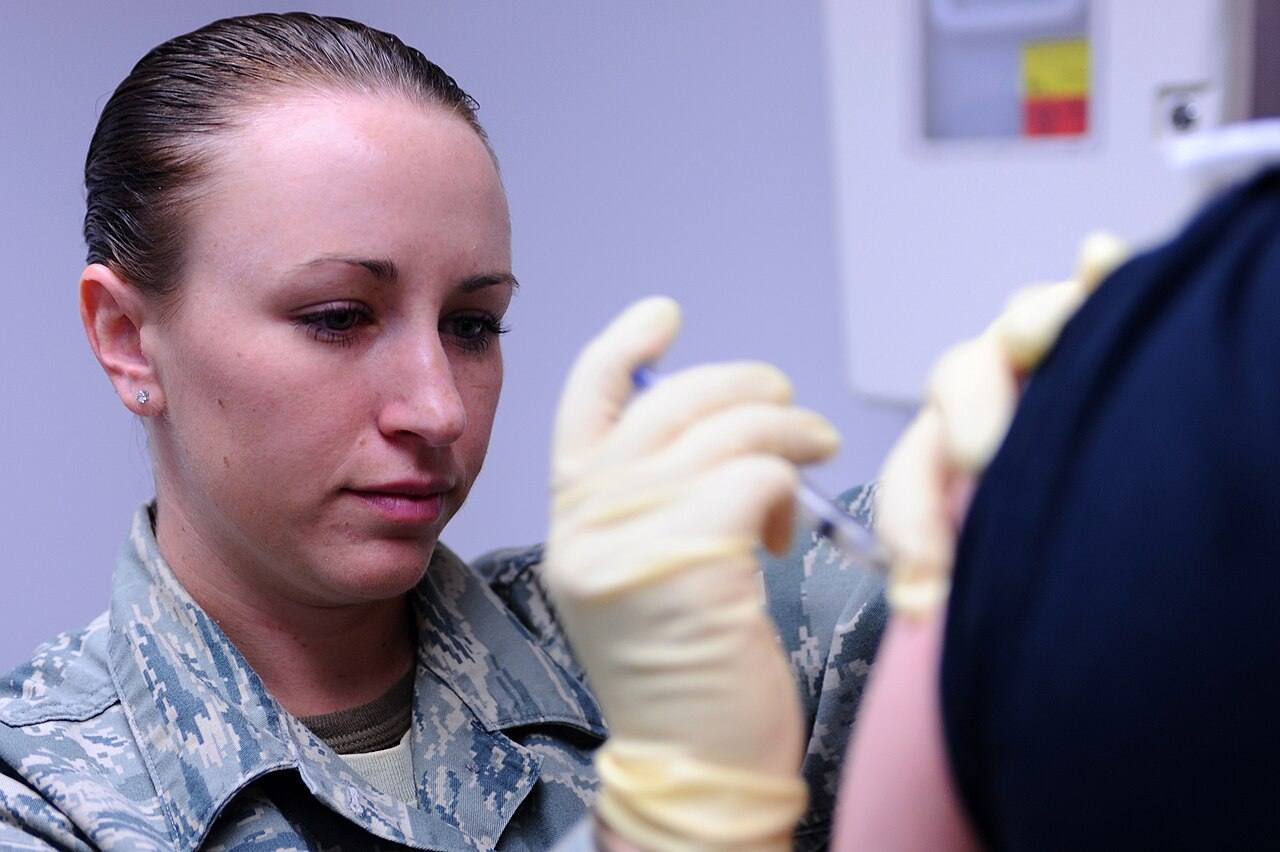
Certainty in Uncertainty
Americans are increasingly disillusioned with the complexities of private insurance. Many feel they are caught in a web of confusing policies and hidden fees. Public clinics, on the other hand, often emphasize transparency and accessibility. Patients know what to expect when they walk through the doors, and this predictability is becoming a significant selling point.
“In an era of uncertainty, people are gravitating towards institutions that offer clarity and straightforward care.”
It’s not just the services provided that entice patients. Many public clinics are intentionally designed to be welcoming environments where individuals feel comfortable seeking treatment. The stigma often associated with visiting a clinic for low-income individuals is slowly dissipating as these facilities strive to create a more inclusive and supportive atmosphere.
Political Ramifications
While the rise of public clinics is largely a response to consumer demand, it also reflects the broader political landscape. On one side, the left champions universal healthcare, advocating for expanded access to services. On the right, however, there is a growing frustration with government involvement in healthcare. Both extremes have their merits, but as public clinics gain ground, it is essential to acknowledge the need for a balanced approach.
The left's push for universal coverage is commendable but often overlooks the practical limitations of implementing such systems. Meanwhile, the right's skepticism towards government programs can lead to neglect of vital services that could benefit millions. The stark division between these ideologies often leaves the average citizen without a clear resolution, driving many towards public clinics as a middle ground.
Challenges Ahead
Despite their growing popularity, public clinics are not without their challenges. Funding remains a contentious issue, as government support fluctuates based on political tides. Additionally, there is a constant struggle to maintain quality staff and resources, particularly in underserved areas. Critics argue that without sustained investment, these clinics may not be able to continue meeting the rising demand for their services.
Looking Forward
As we navigate this evolving landscape, it is crucial for both sides of the political spectrum to engage in constructive dialogue regarding healthcare reform. The rise of public clinics highlights a significant gap in the current system that must be addressed. Finding common ground could lead to innovative solutions that benefit all Americans, regardless of their socioeconomic status.
Moreover, as public clinics continue to grow in popularity, it’s essential for advocates to push for sustainable funding and resources to ensure their longevity. The future of healthcare in America may hinge on our ability to recognize the value these clinics provide, not just as a temporary fix but as a necessary component of a comprehensive healthcare strategy.
✦ ✦ ✦