From the file. Written for the paper dated July 2005. Opened in the public stacks July 14, 2026.
As the sun sets on disaster-stricken areas, the ink on the headlines fades, but the aftermath remains. The recent disaster declaration has ignited a firestorm of debate, illuminating the stark realities of governmental responses and the relentless demands of the public.
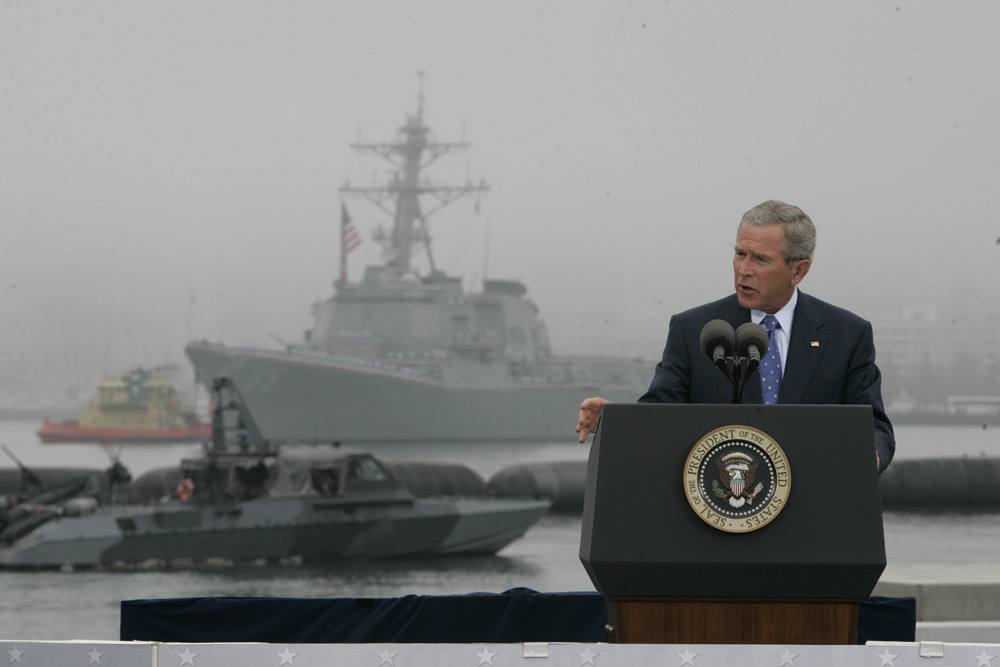
The Nature of Certainty
The American landscape is strewn with the remnants of catastrophe, and in the face of such calamity, the thirst for certainty has become palpable. Citizens crave assurances from their leadership, yet the responses often reveal a deep-seated tension between left and right. Both sides seem to be capitalizing on the chaos, with their own narratives about what constitutes effective governance.
On the left, there is a call for expansive government intervention. This perspective advocates for a robust federal response, arguing that only through comprehensive federal funding and resources can the nation adequately recover from disasters. The mantra is clear: more government equals more safety. However, this view often glosses over the inefficiencies that can accompany large-scale government programs, which can sometimes lead to sluggish responses in dire situations.
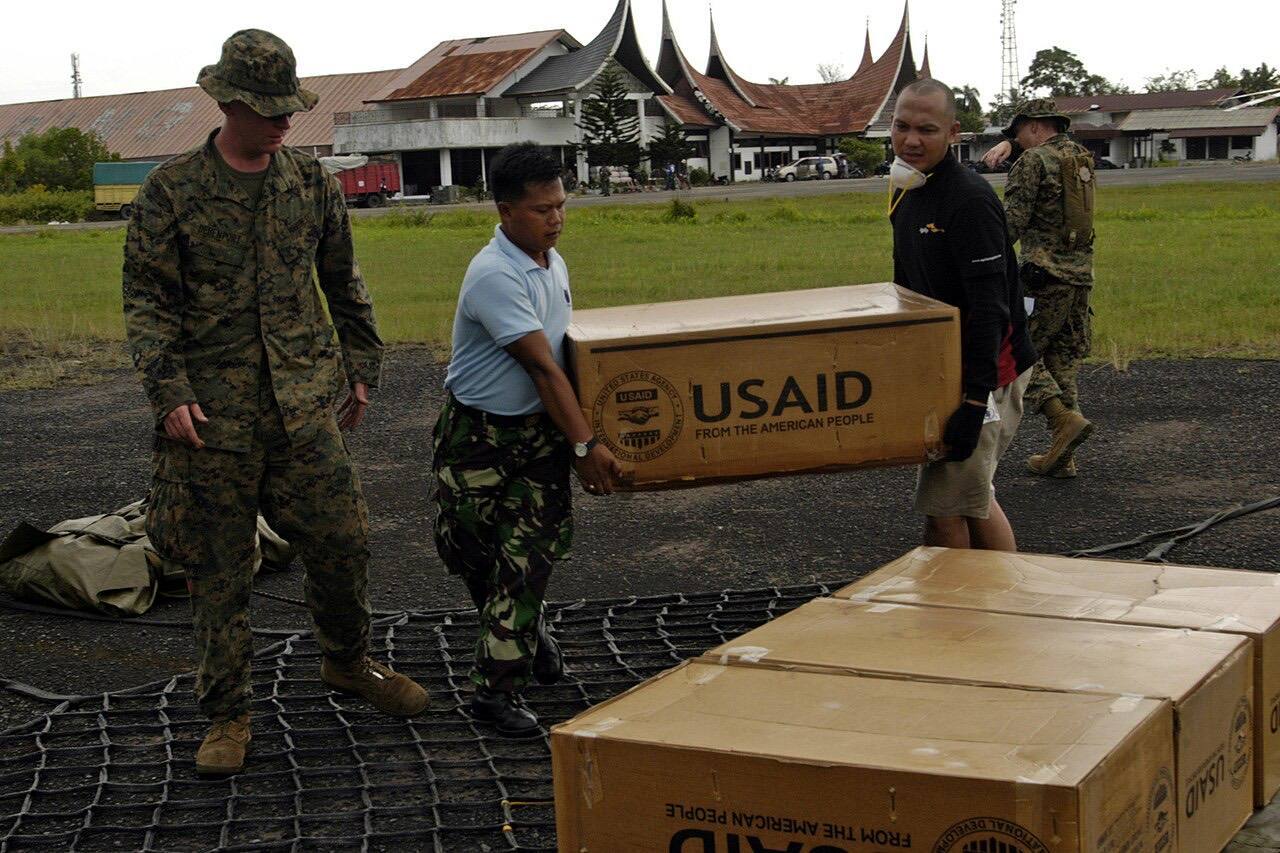
Conversely, the right promotes a narrative rooted in individual responsibility and local governance. This camp argues that communities should be empowered to handle their own crises, citing the dangers of overreach by federal authorities. While the emphasis on local solutions is laudable, it can also lead to a lack of coordination and support when a disaster overwhelms local capabilities. The push for deregulation and minimal intervention can leave vulnerable populations without the necessary resources in their darkest hours.
"In the aftermath of disaster, it seems we are more divided than ever on how to respond." - The American Intelligencer
Political Posturing Amidst Tragedy
The debate over disaster declarations has not only revealed ideological divides but also political opportunism. As politicians scramble to position themselves as champions of disaster relief, the authenticity of their commitment is often called into question. In the wake of a crisis, it is easy to issue statements of solidarity, but the true measure of leadership lies in action.
Both parties are guilty of using disaster declarations as a platform to advance their agendas. For instance, the left may argue for sweeping reforms in disaster preparedness, which can be seen as an attempt to reshape government in a way that aligns with their values. The right, on the other hand, might seize the moment to push for tax cuts or deregulation under the guise of economic recovery. Such maneuvering detracts from the immediate needs of those affected by the disaster.
The Reality of Recovery
As the dust settles from the latest disaster, the reality of recovery becomes painfully clear. Communities are left to grapple with the aftermath, and the promise of swift federal aid can often fall short. Many individuals affected by disasters find themselves navigating bureaucratic red tape, waiting for assistance that seems to be perpetually out of reach.
In this climate, the certainty that citizens seek transforms into a double-edged sword. While the desire for decisive action is understandable, it can lead to unrealistic expectations of what government can accomplish in times of crisis. The reality is that recovery is a complex and often lengthy process, one that requires collaboration between federal, state, and local agencies.
"When the headlines fade, the real work of recovery begins, often without the spotlight." - The American Intelligencer
Finding Common Ground
As we navigate the tumultuous waters of disaster response, there is a pressing need for both sides of the political spectrum to find common ground. It is crucial to acknowledge that both government intervention and local empowerment have roles to play in disaster recovery. Instead of politicizing these efforts, leaders must prioritize the well-being of those affected.
Creating a more resilient infrastructure, enhancing communication between agencies, and fostering community preparedness can go a long way in mitigating the impacts of future disasters. Ultimately, the focus should be on genuine solutions rather than political gain.
In conclusion, as the nation confronts the consequences of disasters, we must challenge the narratives that distract from the pressing needs of recovery. The certainty that has become a commodity in political discourse must be tempered with realism and a commitment to collaborative action. Only then can we hope to truly support those in need.
✦ ✦ ✦