From the file. Written for the paper dated June 2005. Opened in the public stacks July 14, 2026.
In a world increasingly affected by climate change, the debate surrounding weather models has become a battleground for political ideologies, revealing a bipartisan habit of selective memory.
The Politics of Weather Models
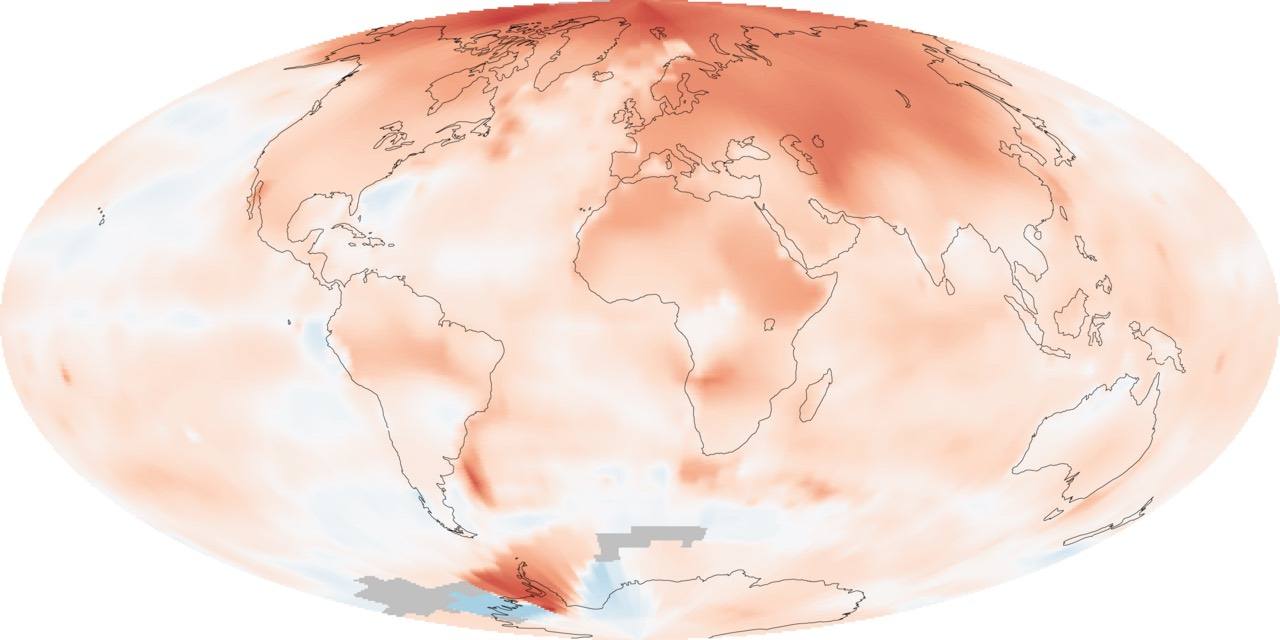
The subject of weather forecasting has long been a matter of scientific inquiry, but in recent years, it has morphed into a political football. On one side, we have climate change skeptics who dismiss advanced weather models as overly alarmist, while on the other, advocates for aggressive climate policies often cherry-pick data to support their claims. This tug-of-war over scientific integrity not only undermines the validity of the models themselves but also poses a significant risk to public understanding of climate issues.
Weather models, fundamentally, are tools that simulate the atmosphere and predict future weather conditions. They rely on a plethora of data, incorporating variables such as temperature, pressure, humidity, and wind patterns. With these complex calculations, meteorologists attempt to provide forecasts that can range from daily weather reports to long-term climate projections. However, as these models evolve, so too does the political narrative surrounding them.
Selective Memory in Action
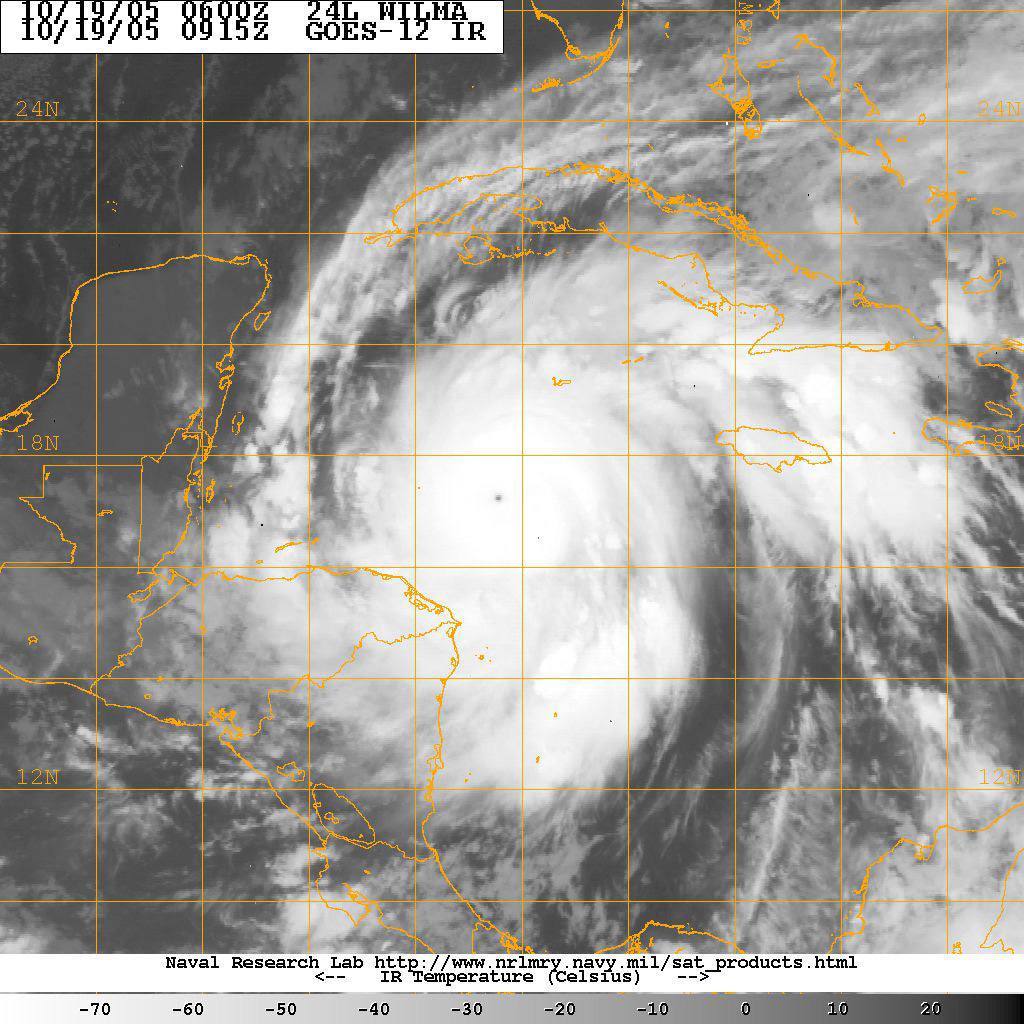
On the right, we see a consistent effort to undermine the credibility of climate science. Many conservative voices have seized upon any inaccuracies in weather predictions to discredit the entire field. When forecasts fail to materialize, it is not just a moment of error; it becomes a rallying cry against the scientific community. This selective memory disregards the history of meteorology, which is filled with both successes and failures. It is essential to remember that science is a process, not a binary outcome.
Conversely, those on the left often engage in their own brand of selective memory. They tend to emphasize extreme weather events as definitive evidence of climate change, neglecting to acknowledge that not every unusual weather pattern can be attributed to human activity. While climate change undeniably impacts weather systems, it is crucial to approach each event with a nuanced perspective. Failing to do so opens the door for opponents to dismiss climate change entirely as a mere political agenda.
The debate over weather models serves as a microcosm of the larger political climate, where facts are often sacrificed for ideological purity.
A Call for Rational Discourse
Both sides of the aisle must be held accountable for their rhetoric surrounding weather models. Blindly accepting data that fits preconceived notions only hampers our collective ability to address the pressing issues at hand. What we need is a more rational discourse, one that values scientific inquiry over ideological posturing. Acknowledging the complexities of weather systems, and climate science as a whole, allows for a more informed public dialogue.
In recent years, we have witnessed an increase in severe weather events across the globe, from hurricanes and droughts to wildfires and floods. These occurrences should prompt a serious engagement with climate science rather than knee-jerk reactions based on political biases. Acknowledging the limitations of our current models does not undermine the urgency of climate action; rather, it enhances our understanding and ability to respond effectively.
Finding Common Ground
As we navigate this complex landscape, it is imperative for policymakers, scientists, and citizens alike to seek common ground. The bipartisan habit of selective memory is not just a political issue; it is a societal one. The stakes are too high for us to remain divided over interpretations of scientific data. We must learn to appreciate the intricacies of weather models and recognize that they are not infallible but rather evolving tools in our quest for understanding.
Embracing a more balanced view could pave the way for innovative solutions to climate-related challenges. By fostering collaboration between scientists and policymakers, we can create a roadmap that prioritizes accurate data interpretation and effective climate action. It is time to put aside partisan agendas and work towards a common goal: a sustainable future for our planet.
✦ ✦ ✦