From the file. Written for the paper dated April 2005. Opened in the public stacks July 14, 2026.
In the ongoing dialogue about healthcare accessibility, the term "pharmacy deserts" has emerged, highlighting the growing issue of inadequate pharmacy services in various communities across the United States. As we delve into this pressing issue, it is essential to take a balanced approach, considering the perspectives of both sides of the political spectrum.
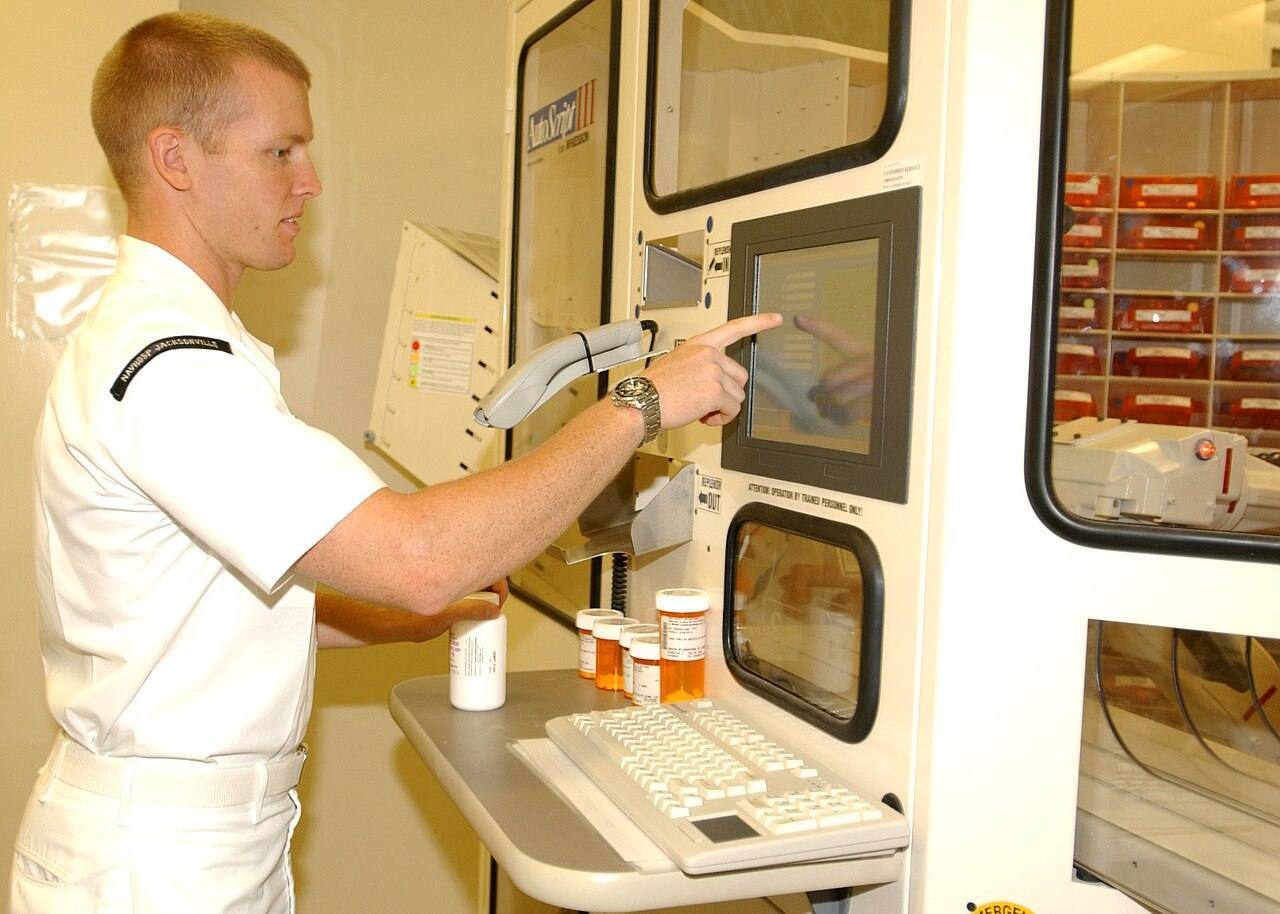
The Reality of Pharmacy Deserts
Pharmacy deserts are defined as areas where residents have limited or no access to pharmacies, which can impede their ability to obtain necessary medications. This lack of access is often more pronounced in low-income communities and rural areas, where residents may have to travel long distances to reach the nearest pharmacy. The consequences of living in a pharmacy desert can be severe, leading to unfilled prescriptions, worsened health outcomes, and increased reliance on emergency medical services.
The Left's Perspective
Progressive advocates argue that pharmacy deserts are a direct consequence of systemic inequities in healthcare. They emphasize the need for government intervention to ensure that all communities have access to essential health services. This perspective has gained traction as healthcare becomes an increasingly hot-button issue. The left calls for policies that would incentivize pharmacy chains to open locations in underserved areas, as well as support for community-based health initiatives.
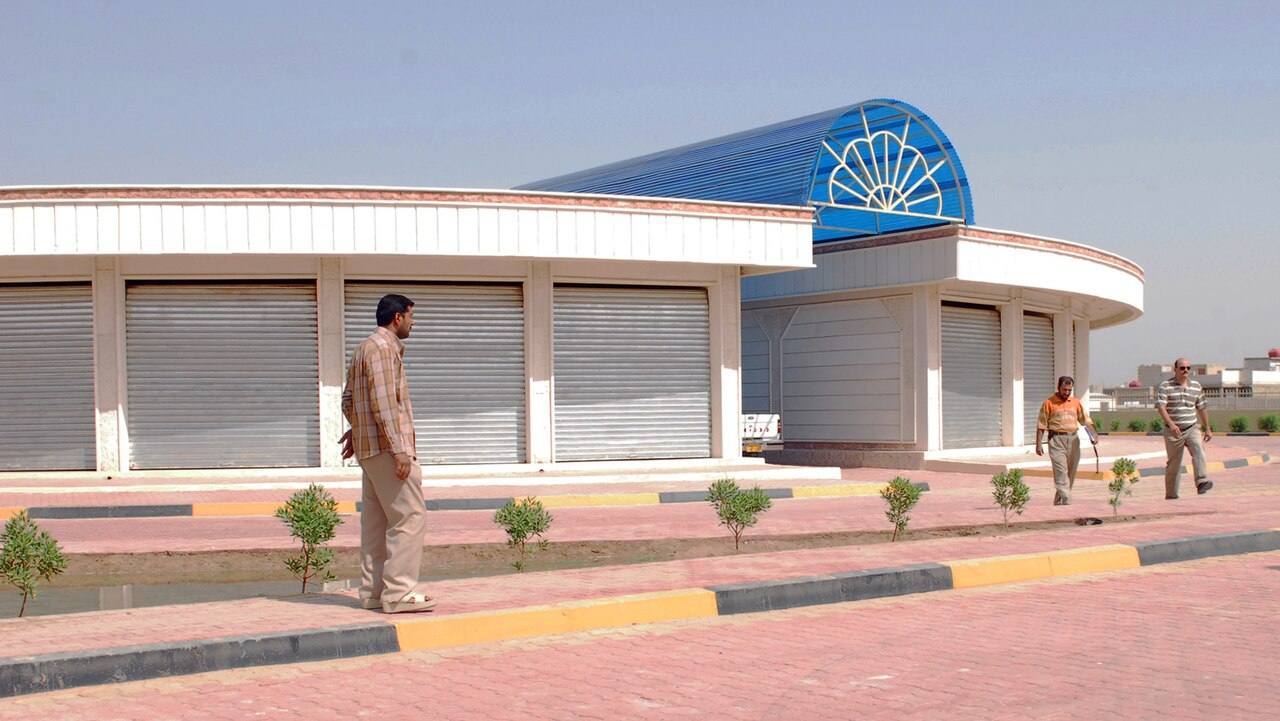
"Access to medication should not be a privilege, but a right for every American, regardless of their zip code."
However, while the left's intentions are commendable, there is a danger of relying too heavily on government solutions. Critics argue that increased regulation and mandates can lead to unintended consequences, including stifling innovation and creating bureaucratic red tape that hampers the very access they seek to improve.
The Right's Perspective
On the opposite end of the spectrum, conservative voices often advocate for private sector solutions to the problem of pharmacy deserts. They point to the importance of market forces in driving competition and innovation within the healthcare industry. The argument is that by reducing regulations and allowing pharmacies to operate with greater flexibility, more businesses will emerge to fill the gaps in underserved areas.
"We need to empower entrepreneurs to create solutions in healthcare, not burden them with excessive government oversight."
Nonetheless, this approach can sometimes overlook the immediate needs of those suffering in pharmacy deserts. While market-driven solutions may ultimately yield results, the time it takes for these changes to materialize can leave vulnerable populations without the medications they need right now. This raises the question of whether the right's focus on the free market adequately addresses urgent healthcare disparities.
A Middle Ground Approach
As both sides of the political spectrum grapple with the issue of pharmacy deserts, it becomes clear that a middle ground is necessary. A collaborative approach that combines the strengths of both perspectives could lead to effective solutions. For instance, partnerships between government agencies and private pharmacies could facilitate the opening of new locations in underserved areas while maintaining the flexibility that businesses need to thrive.
Moreover, community engagement should play a central role in addressing pharmacy deserts. Local residents often have insights into their own needs and challenges, which can inform more targeted and effective interventions. By prioritizing community input, stakeholders can develop solutions that are not only practical but also embraced by those they aim to help.
Conclusion
The issue of pharmacy deserts is complex and multifaceted, requiring a nuanced understanding that transcends ideological boundaries. As we move forward in the discourse on healthcare accessibility, it is crucial for both the left and the right to recognize the validity of each other's concerns and work towards collaborative solutions that prioritize the health and well-being of all Americans.
✦ ✦ ✦