From the file. Written for the paper dated March 2005. Opened in the public stacks July 14, 2026.
In an economy increasingly reliant on global trade, the fragility of supply chains has become a topic of pressing concern. Yet, after the headlines fade, the procedural intricacies that govern these systems often go unexamined. This article delves into the underbelly of supply chain management, revealing the challenges that both the left and right overlook.
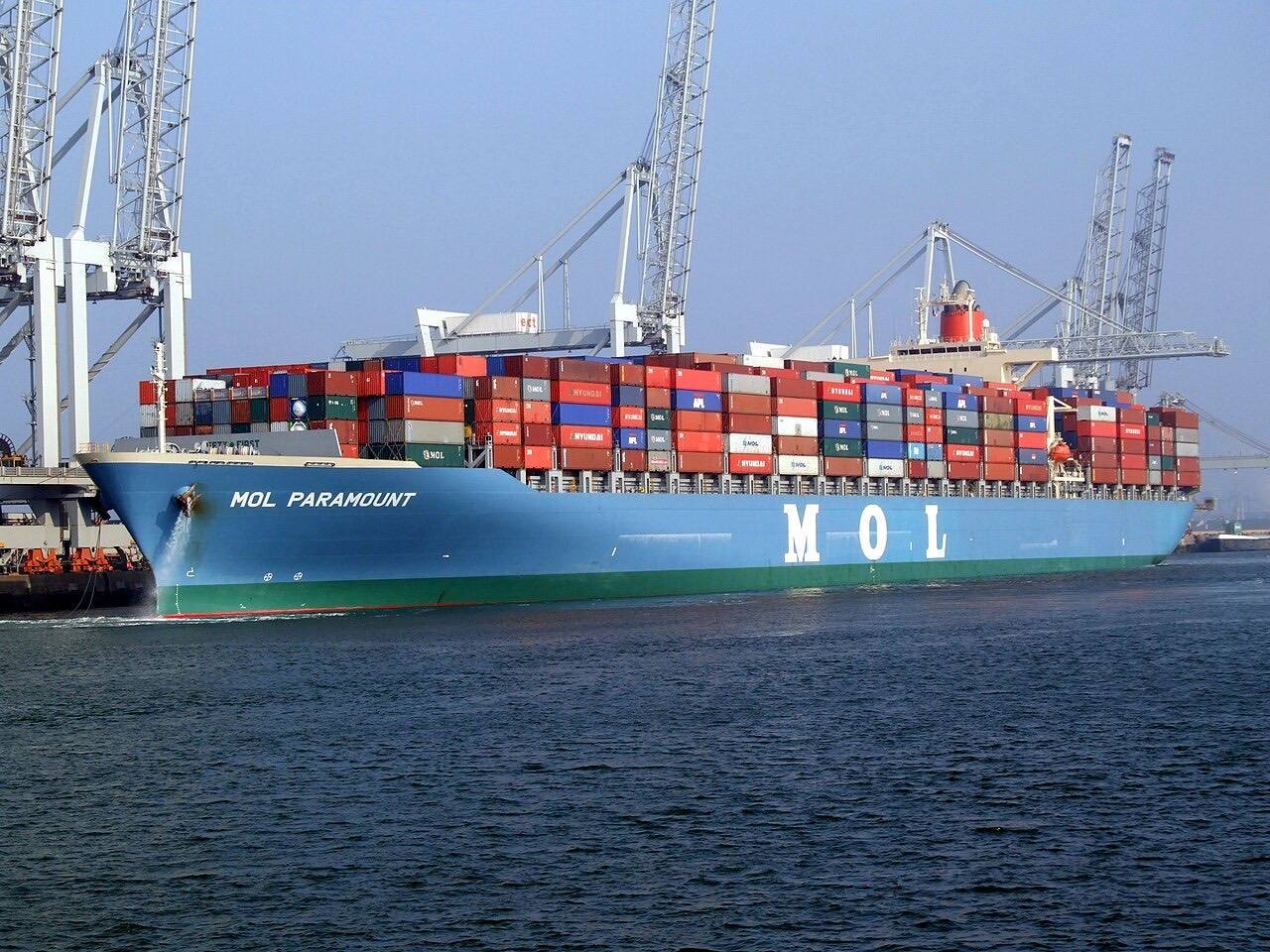
The Unseen Backbone of Commerce
As businesses expand their reach across borders, the supply chain has emerged as the lifeblood of modern commerce. Yet, the complexities of this system are rarely discussed outside the confines of industry meetings and boardrooms. Politicians may tout the benefits of free trade and deregulation, but the reality is that the supply chain is a labyrinthine system that requires meticulous oversight and an understanding of global interdependencies.
From raw materials to finished products, the journey is fraught with challenges. Delays, tariffs, and geopolitical tensions can upend even the most carefully planned logistics. For businesses, the repercussions can be severe, ranging from increased costs to reputational damage. Unfortunately, these realities are often overshadowed by the more sensational headlines surrounding trade agreements or labor disputes.
The Left's Oversight
Progressives frequently champion the rights of workers and advocate for environmental sustainability. While these issues are undeniably important, there is a tendency to overlook the intricacies involved in maintaining ethical supply chains. Calls for stricter regulations can sometimes ignore the operational realities faced by companies trying to balance compliance with profitability.
"In the rush to demand ethical standards, we must not forget the logistical challenges that make compliance difficult." - Anonymous Industry Expert
Furthermore, the left has often focused on domestic policies without adequately addressing the global nature of supply chains. By failing to engage with the international components of supply chains, there is a risk of implementing policies that could inadvertently harm the very workers they seek to protect. For instance, imposing tariffs can affect prices and availability of goods, disproportionately impacting low-income consumers who are often the most vulnerable in times of economic strain.
The Right's Simplification
On the other side of the aisle, conservatives often tout the virtues of free-market principles and deregulation. While these ideals have their merits, they can lead to a dangerous oversimplification of the complexities involved in supply chain management. The notion that less regulation automatically equals more efficiency ignores the need for robust oversight and accountability in the system.
Moreover, the right's narrative often neglects the importance of investing in infrastructure and technology that can enhance supply chain resilience. Privatization and cost-cutting measures may yield short-term gains, but they can also lead to long-term vulnerabilities. The recent disruptions in supply chains during natural disasters have highlighted how inadequate investment in infrastructure can exacerbate problems rather than solve them.
Bridging the Gap
As we navigate the complexities of the global marketplace, it is imperative for both the left and right to acknowledge the multifaceted nature of supply chains. A balanced approach that prioritizes ethical practices while also recognizing the operational challenges is essential. Only then can we ensure that supply chains function effectively without compromising the very values we hold dear.
In conclusion, as discussions around supply chain management continue to evolve, it is vital for all stakeholders to engage with the underlying complexities. The challenges we face are not merely political talking points; they are real issues that impact businesses, consumers, and workers alike. Acknowledging this reality is the first step toward forging a more resilient and equitable supply chain for the future.
✦ ✦ ✦