From the file. Written for the paper dated March 2005. Opened in the public stacks July 14, 2026.
As the dust settles on the latest electoral cycle, the issue of campaign finance remains a murky topic - one that neither the left nor the right seem eager to tackle seriously. With the influence of money on politics becoming increasingly pronounced, both parties are guilty of ignoring the complexities of the system while indulging in their own excesses.
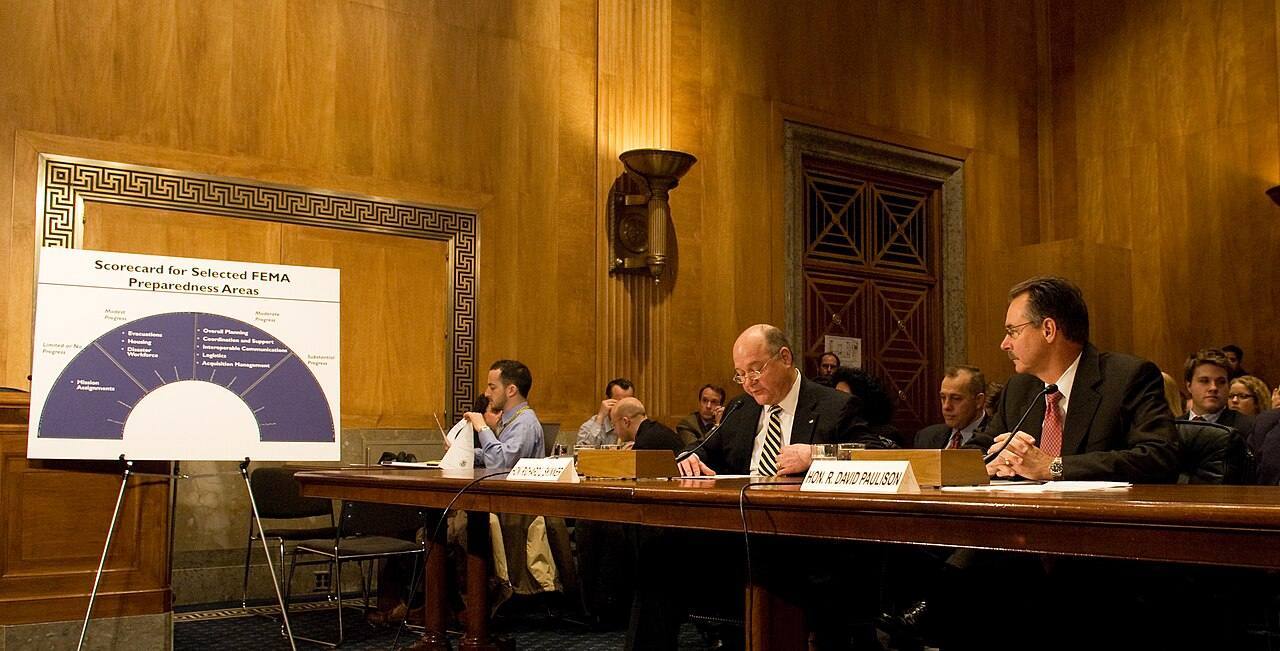
The Shadowy Influence of Money
For many Americans, the concept of campaign finance is as complicated as it is troubling. The average voter is typically more concerned with the day-to-day realities of life - jobs, healthcare, education - than with the intricacies of political funding. Yet, this very disconnect allows both political parties to sidestep a conversation that is essential to the integrity of democracy.
On the left, the push for reform often veers into an ideological battleground rather than focusing on practical solutions. Many progressives are quick to decry the influence of corporate money, yet they frequently overlook the financial contributions from labor unions and other special interest groups that bolster their own campaigns. This hypocrisy not only undermines their arguments but also alienates potential allies who might otherwise agree on the need for reform.
On the flip side, the right often embraces a laissez-faire approach to campaign finance, advocating for minimal regulation and maximum freedom for donors. While they extol the virtues of free speech, they conveniently ignore how this freedom disproportionately favors those with deep pockets. Thus, the system remains skewed in favor of the wealthy while the average citizen feels increasingly disenfranchised.
"The average voter is typically more concerned with the day-to-day realities of life than with the intricacies of political funding."
Common Ground: The Need for Reform
Despite the rhetoric, both sides must acknowledge that the current campaign finance system is broken. The influx of soft money and independent expenditures has created an environment where the loudest voices drown out those of everyday voters. It is essential for both parties to engage in a constructive dialogue surrounding campaign finance reform, rather than resorting to finger-pointing and partisan bickering.
One potential solution could be the implementation of publicly funded elections, which would enable candidates to focus on their constituents rather than catering to a select group of wealthy donors. This would also level the playing field, allowing candidates from diverse backgrounds to compete on an equal footing. Yet, such proposals are often dismissed as unrealistic or radical, indicative of the unwillingness of both parties to commit to meaningful change.
The Dangers of Inaction
The ramifications of ignoring campaign finance reform are dire. As the political landscape becomes increasingly dominated by money, the public's trust in elected officials erodes. Citizens may begin to feel that their voices are irrelevant in a system where the highest bidder wins. This disillusionment can lead to apathy and disengagement, further entrenching the very problems we seek to solve.
Moreover, the concentration of funding in the hands of a few has implications that extend beyond individual elections. When certain interests dominate political discourse, vital issues - such as climate change, healthcare, and education reform - can be sidelined in favor of policies that serve the interests of a wealthy elite. Both parties must recognize that their failure to address these issues not only jeopardizes their electoral fortunes but also undermines the democratic ideals upon which this nation was founded.
Moving Forward
As we navigate the complexities of campaign finance, it is crucial for both the left and the right to engage in honest self-reflection. Rather than casting blame, leaders must work together to develop a framework that prioritizes transparency and accountability in political funding. Only through such collaboration can we hope to restore public trust and ensure that every voice is heard.
In conclusion, the issue of campaign finance is not merely a procedural matter; it is a fundamental question about the future of democracy in America. Both sides must put aside their partisan excesses and confront the reality that money has infiltrated our political system in ways that threaten its very integrity. If we are to move forward together, we must first acknowledge that the current state of campaign finance is untenable and requires immediate attention.
✦ ✦ ✦