From the file. Written for the paper dated February 2005. Opened in the public stacks July 14, 2026.
In the realm of scientific inquiry, the pursuit of knowledge often overshadows an essential yet mundane aspect: lab safety. As researchers push the boundaries of innovation, the mechanisms that ensure their safety should not be relegated to the background noise of laboratory life.
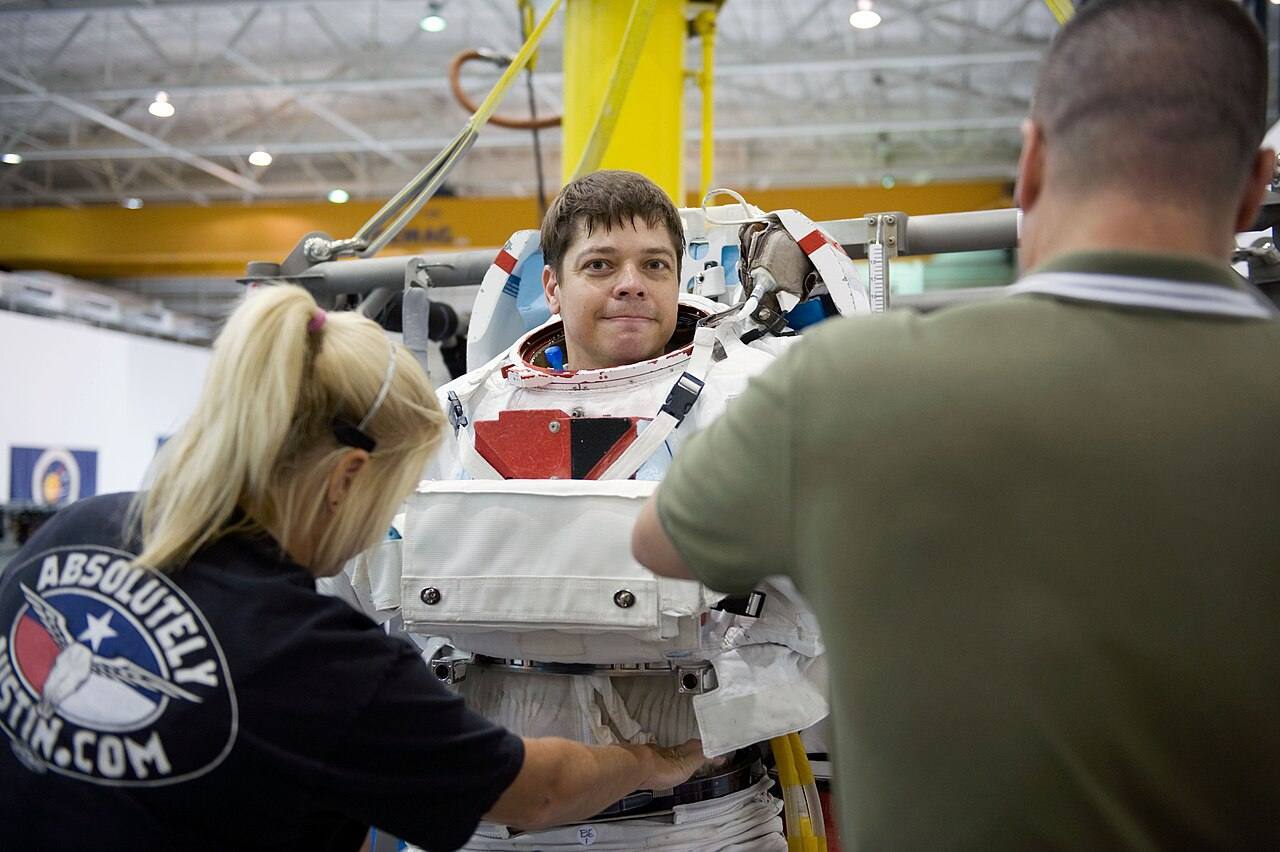
The Invisible Framework of Lab Safety
In laboratories across the country, a cacophony of experiments, reactions, and discoveries unfolds daily. Yet, beneath this vibrant hub of activity lies a framework designed to protect the very individuals engaged in these pursuits. Lab safety protocols may seem tedious to some, but they are the unsung heroes that allow scientific exploration to flourish without catastrophic consequences.
When considering lab safety, one often imagines the dramatic images of explosions or chemical spills that make headlines. However, the reality is that most lab incidents are far less glamorous, yet equally dangerous. Minor accidents, such as spills or improper handling of materials, can lead to significant injuries or even fatalities if not appropriately managed. Thus, the importance of adhering to established safety protocols cannot be overstated.

"Lab safety is not just a checklist; it is the foundation upon which scientific progress stands."
The Role of Training and Compliance
At the core of effective lab safety is rigorous training and compliance with safety standards. Institutions are increasingly recognizing that a well-informed researcher is a safer researcher. However, this commitment to safety often faces challenges. There are those who scoff at the perceived redundancy of safety measures, viewing them as bureaucratic hurdles rather than essential components of their work. This attitude can foster a culture of negligence, where shortcuts are taken, and safety is compromised.
Moreover, the responsibility for lab safety does not rest solely on the shoulders of individual researchers. Institutions, too, must prioritize safety by providing comprehensive training sessions, accessible safety resources, and a culture that promotes accountability. The notion that safety should be an afterthought is not only misguided but dangerous. It is vital for both academic institutions and private research facilities to invest in ongoing training that emphasizes the importance of safety in every aspect of laboratory work.
The Impact of Regulatory Oversight
In the United States, regulatory bodies such as the Occupational Safety and Health Administration (OSHA) play a crucial role in maintaining safety standards in laboratories. However, the effectiveness of these regulations often comes under scrutiny. Critics from both the left and the right argue about the level of oversight necessary to ensure safety without stifling innovation.
On one hand, some argue that excessive regulation hampers scientific progress. They contend that an overly cautious approach can deter researchers from pursuing bold experiments that could yield groundbreaking results. On the other hand, there are voices calling for stricter regulations to prevent avoidable accidents that could lead to serious injuries or hazardous situations. This tug-of-war between safety and innovation creates a challenging environment for researchers, who must navigate the complexities of compliance while striving for advancement.
"Finding a balance between safety and innovation is the challenge of our time."
The Cost of Neglect
Neglecting lab safety can have far-reaching consequences that extend beyond individual injuries. When accidents occur, they not only disrupt research but can also lead to costly investigations, lawsuits, and damage to institutional reputations. The financial implications of a single incident can be staggering, yet some researchers continue to overlook safety protocols in pursuit of their goals.
Furthermore, the impact of such negligence can ripple through the scientific community. When accidents happen in one lab, the repercussions are felt by all. The public trust in scientific inquiry can wane, leading to increased scrutiny and skepticism about the integrity of research. This underscores the need for a collective commitment to safety that transcends individual labs and institutions.
Conclusion: A Call for Vigilance
As the scientific community continues to explore new frontiers, the mechanisms behind lab safety must not be forgotten. It is imperative that researchers, institutions, and regulatory bodies collaborate to create an environment where safety is prioritized alongside innovation. By fostering a culture that values compliance and education, we can ensure that the pursuit of knowledge does not come at an unacceptable cost.
✦ ✦ ✦