From the file. Written for the paper dated February 2005. Opened in the public stacks July 14, 2026.
As the nation grapples with a budget standoff, the cacophony of political rhetoric often drowns out the essential mechanics that underpin this financial impasse.
The Political Theater
In recent weeks, the budgetary debate in Washington has reached a fever pitch, with both sides of the aisle engaging in a theatrical performance that often overshadows the fundamental issues at stake. On one side, the Democrats are painting a picture of impending doom, warning that cuts to social programs will hurt the most vulnerable. On the other side, Republicans are sounding alarms about fiscal irresponsibility, demanding cuts to what they deem wasteful spending.
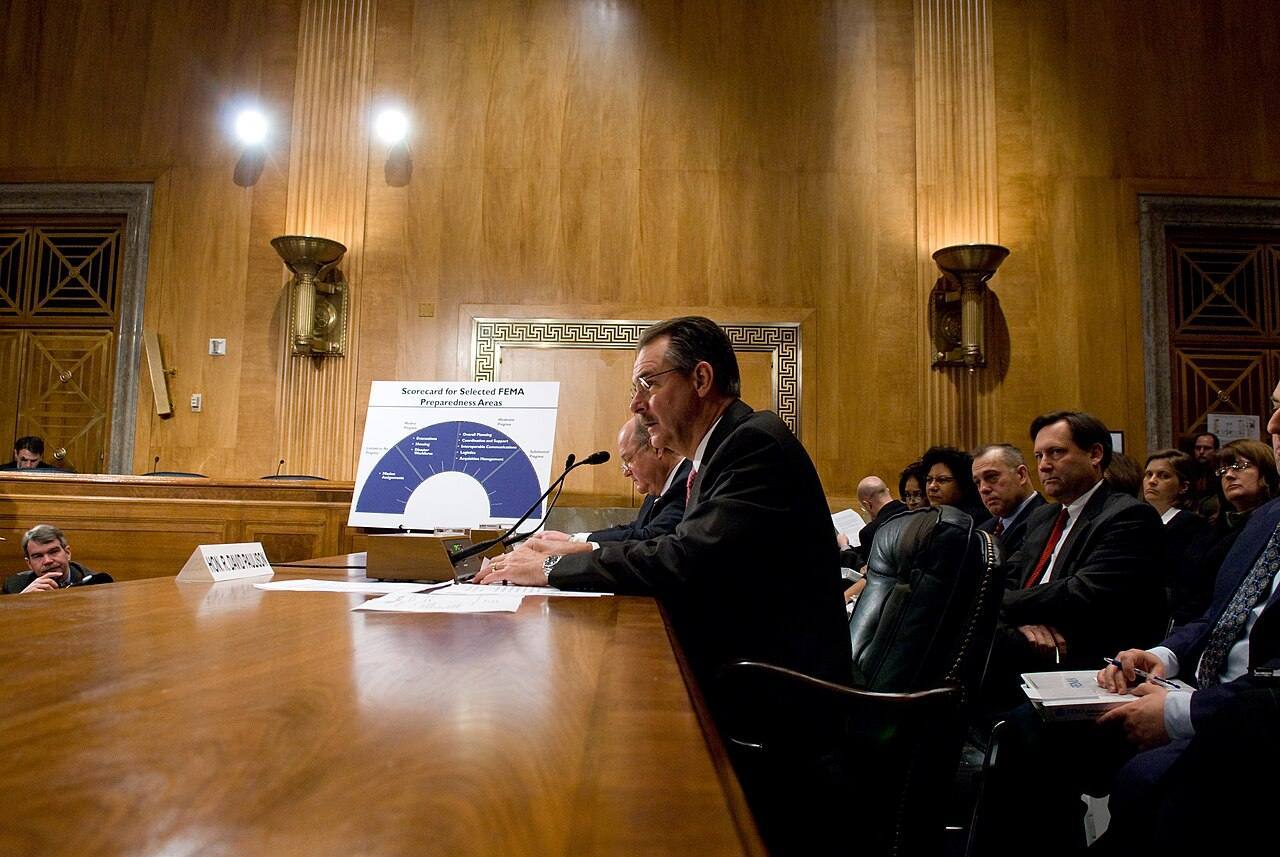
Yet, amid this political theater, the actual mechanics of budgetary negotiations can seem remarkably mundane. The process is designed to be tedious and complex, involving numerous committees, amendments, and revisions. It is a far cry from the fiery speeches delivered on the floors of Congress, and it often leaves the average citizen bewildered by the process.
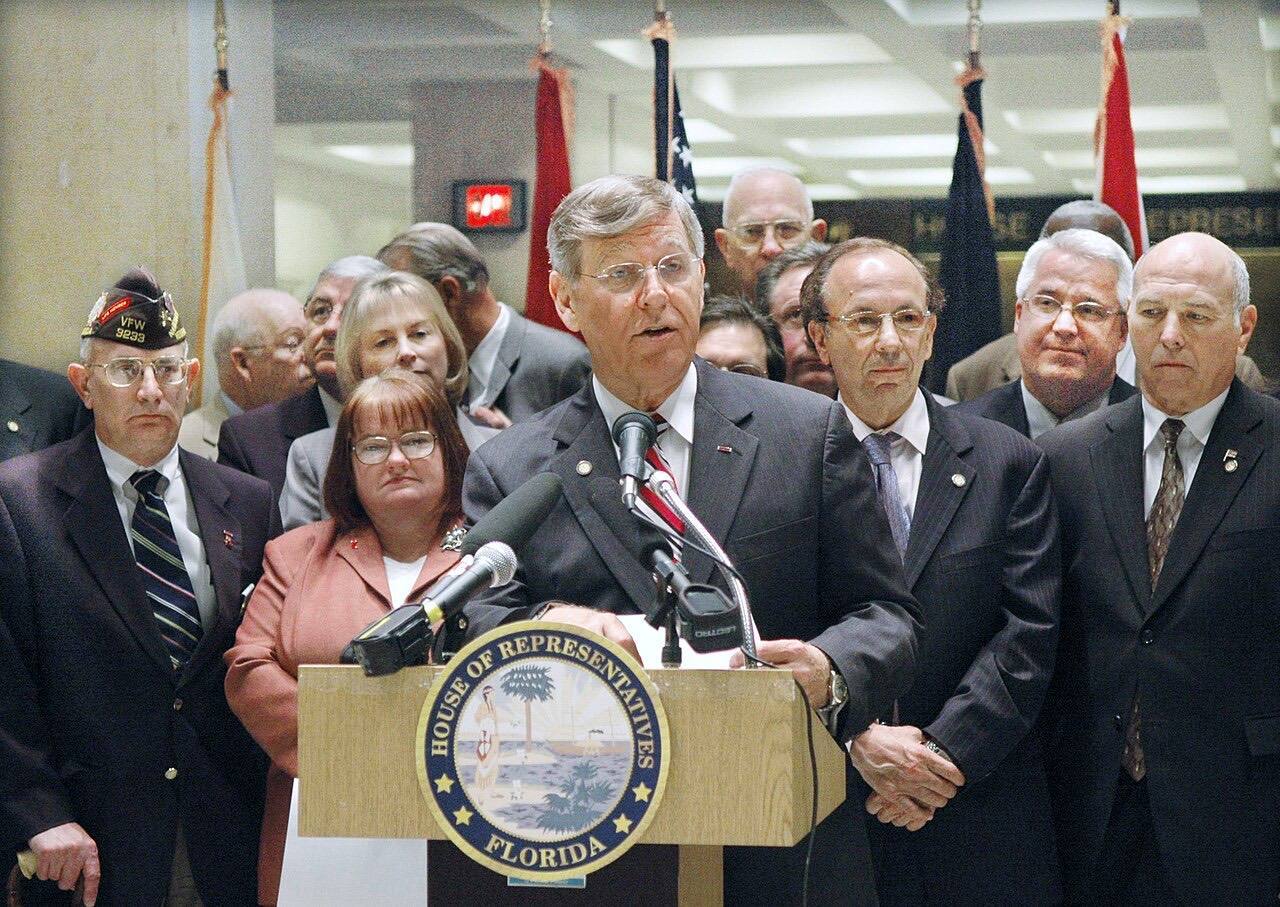
"Both parties are so focused on winning the argument that they forget the people who will be affected by their decisions."
The Complications of Compromise
The crux of the matter lies in the difficulty of compromise. Each party has its own agenda, and neither side appears willing to budge even slightly. The Democrats are staunch defenders of social programs, while the Republicans insist on reducing the deficit at all costs. This unwillingness to find common ground has led to a political deadlock that could have dire consequences for the nation’s economy.
As the deadline for budget approval looms, the stakes only grow higher. The government risks a shutdown, which would not only halt essential services but also further erode public confidence in the political system. The irony is that while politicians engage in this high-stakes game, everyday Americans continue to worry about the impact of these decisions on their lives.
Economic Realities
The reality is that the budget affects everyone, from the single mother relying on food stamps to the retiree depending on Social Security. These programs, often labeled as “entitlements” by fiscal conservatives, serve as lifelines for millions. However, the rhetoric surrounding these programs has created a narrative that frames them as burdens rather than necessities.
Republicans argue that reducing government spending is essential for economic growth. They cite the need to lower the deficit as a moral imperative, yet their approach often neglects the immediate impacts of such cuts. Meanwhile, Democrats emphasize the importance of maintaining these critical programs, yet their calls for increased taxes and spending can also raise eyebrows, particularly in an era of rising debt.
"A budget is not merely a collection of numbers; it reflects our values and priorities."
The Role of Voters
In this environment, voters find themselves caught in the middle. Many are frustrated by the inability of their elected officials to work together for the greater good. The constant bickering only serves to alienate constituents, leaving them feeling powerless in the face of political gridlock. The challenge for politicians is not just to navigate the complexities of budgeting, but to communicate effectively with the public about the implications of their decisions.
As the budget standoff continues, it is imperative for voters to remain informed and engaged. Understanding the mechanisms behind the noise will empower citizens to hold their representatives accountable. If nothing else, the current situation serves as a reminder that governmental processes, while often tedious, have profound implications for the lives of Americans.
The Way Forward
So, what is the way forward? It requires a commitment to dialogue and collaboration, where both parties recognize the importance of compromise. It calls for leaders who can transcend the immediate political gains and focus on long-term solutions that address the needs of their constituents.
The consequences of inaction could be dire; a budget impasse threatens not only government operations but also economic stability. As citizens, we must advocate for a more constructive approach to budgeting - one that prioritizes transparency, accountability, and the common good.
In conclusion, while the budget standoff may seem like a mere clash of political egos, it is crucial to understand the underlying mechanisms that shape these debates. The boring mechanics behind the noise matter, and so too do the lives of the people affected by these decisions.
✦ ✦ ✦