From the file. Written for the paper dated January 2005. Opened in the public stacks July 14, 2026.
As the dust settles following the tumultuous events of recent weeks, the political landscape in Washington is undergoing a significant transformation. Cabinet resignations, often sensationalized in the moment, reveal deeper issues within both the administration and the broader political discourse.

Changing of the Guard
The recent wave of cabinet resignations has raised eyebrows and ignited speculation about the stability of the current administration. While some observers view these departures as a sign of impending turmoil, others suggest that they may signal an opportunity for renewal. However, the reality is often more complicated than the narratives spun by both sides of the political spectrum.
On one hand, conservatives are quick to defend the administration, asserting that these resignations are merely a natural part of governance. They argue that officials stepping down allows for fresh ideas and perspectives. Yet, this perspective often glosses over the potential dysfunction that can arise from a lack of continuity in leadership. The reality is that frequent changes at the top can disrupt the effectiveness of policy implementation, leaving crucial initiatives vulnerable.
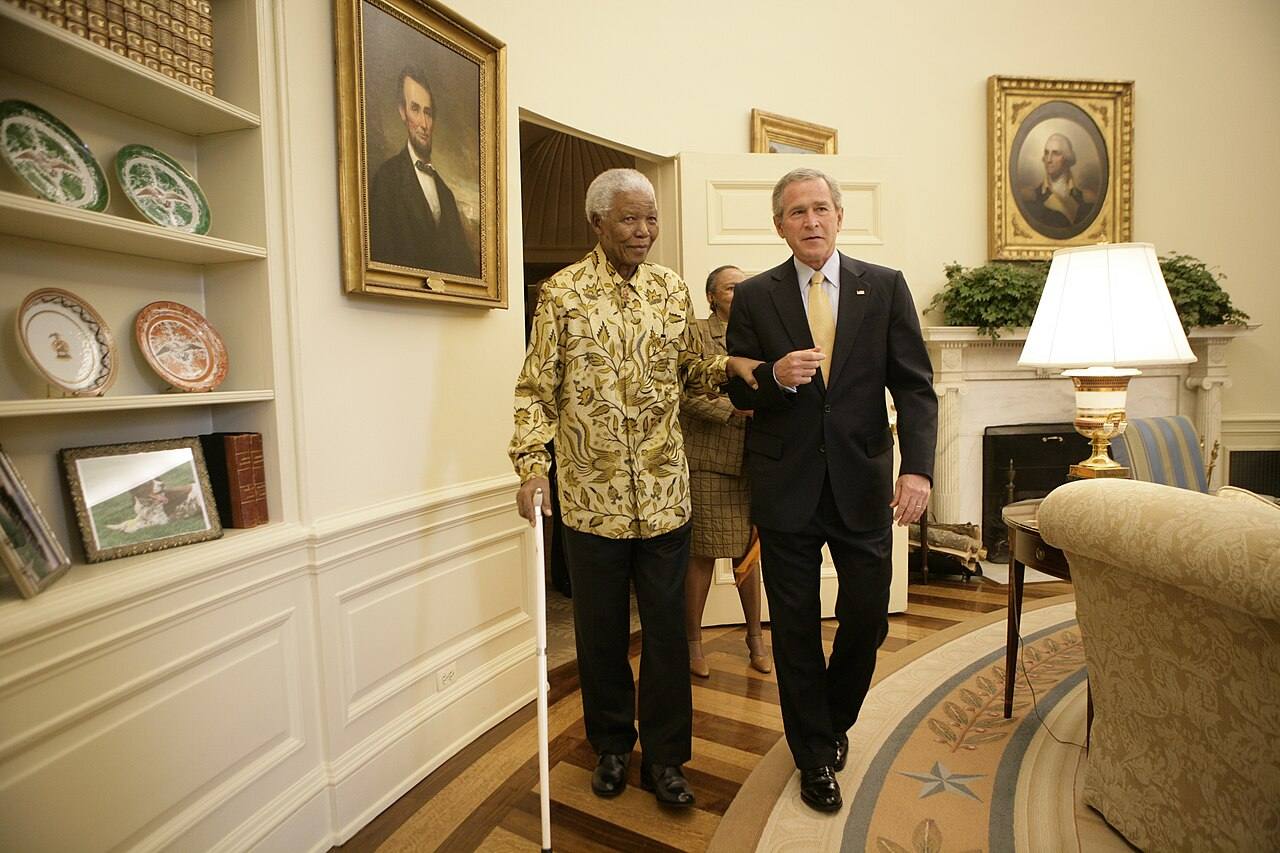
Meanwhile, progressives are seizing on these resignations as evidence of failure within the administration. They argue that the exodus of cabinet members reflects a lack of competence and accountability. Yet, this reaction can come off as excessively partisan, overlooking the complexities involved in governance. It's essential to recognize that cabinet members are not just figureheads; they are individuals who may leave for a multitude of reasons, including personal ones that have little to do with the administration’s performance.
The political theater surrounding cabinet resignations often oversimplifies the intricate dance of governance.
The Media's Role
The media plays a crucial role in framing these events. Coverage tends to focus on the drama of the departures - who's in, who's out - while neglecting the implications of these changes for policy and governance. This sensationalist approach can lead to a distorted public perception, where the narrative becomes more about personalities than the substance of the governance itself.
Indeed, the cycle of news reporting often favors immediate reactions over thorough analysis. This results in a political discourse that can be overly reactive, with both sides of the aisle using these resignations to bolster their respective narratives. Liberals may highlight the resignations as a sign of chaos, while conservatives might frame them as a necessary cleansing. In the end, the truth usually lies somewhere in between.
Identity Politics and Governance
As the nation grapples with these resignations, it's essential to consider how identity politics influence perceptions of leadership. The current administration has faced scrutiny over its appointments, with critics pointing to a lack of diversity within the cabinet. This raises questions about representation and the extent to which identity shapes governance.
However, reducing cabinet appointments to a matter of identity alone risks oversimplifying the qualifications and competencies of individuals in those roles. The focus on identity can divert attention from the critical issues at hand - such as policy effectiveness, governance strategies, and the overall direction of the administration. Both left and right must strive for a more nuanced understanding that values merit while also recognizing the importance of representation.
Lessons in Leadership
The cabinet resignations serve as a reminder that effective leadership requires more than just the right individuals in the right positions. It demands a coherent vision, a commitment to accountability, and an understanding of the complexities that govern the political landscape. As the administration navigates these changes, both supporters and critics should aim for a dialogue that prioritizes substance over sensationalism.
In this era of heightened political polarization, it is vital to foster a discourse that encourages constructive criticism rather than partisan attacks. Both sides of the aisle must recognize that governance is an intricate process, one that requires collaboration, compromise, and above all, a focus on the nation's welfare rather than individual agendas.
Conclusion
As we reflect on the recent cabinet resignations, it is clear that they are more than just headlines. They expose the underlying tensions and challenges within the current administration and the political environment at large. Moving forward, it is crucial for all parties involved to engage in a more thoughtful examination of leadership and governance, steering clear of the extremes that often dominate our political landscape. Only then can we hope to foster a more productive dialogue and a more effective government.
✦ ✦ ✦