From the file. Written for the paper dated January 2005. Opened in the public stacks July 14, 2026.
As the dust settles from the presidential inauguration, a palpable tension lingers in the air of Washington D.C. The budget standoff has become a defining issue of the new Congress, with both sides digging in their heels amid a battlefield of priorities and ideologies.
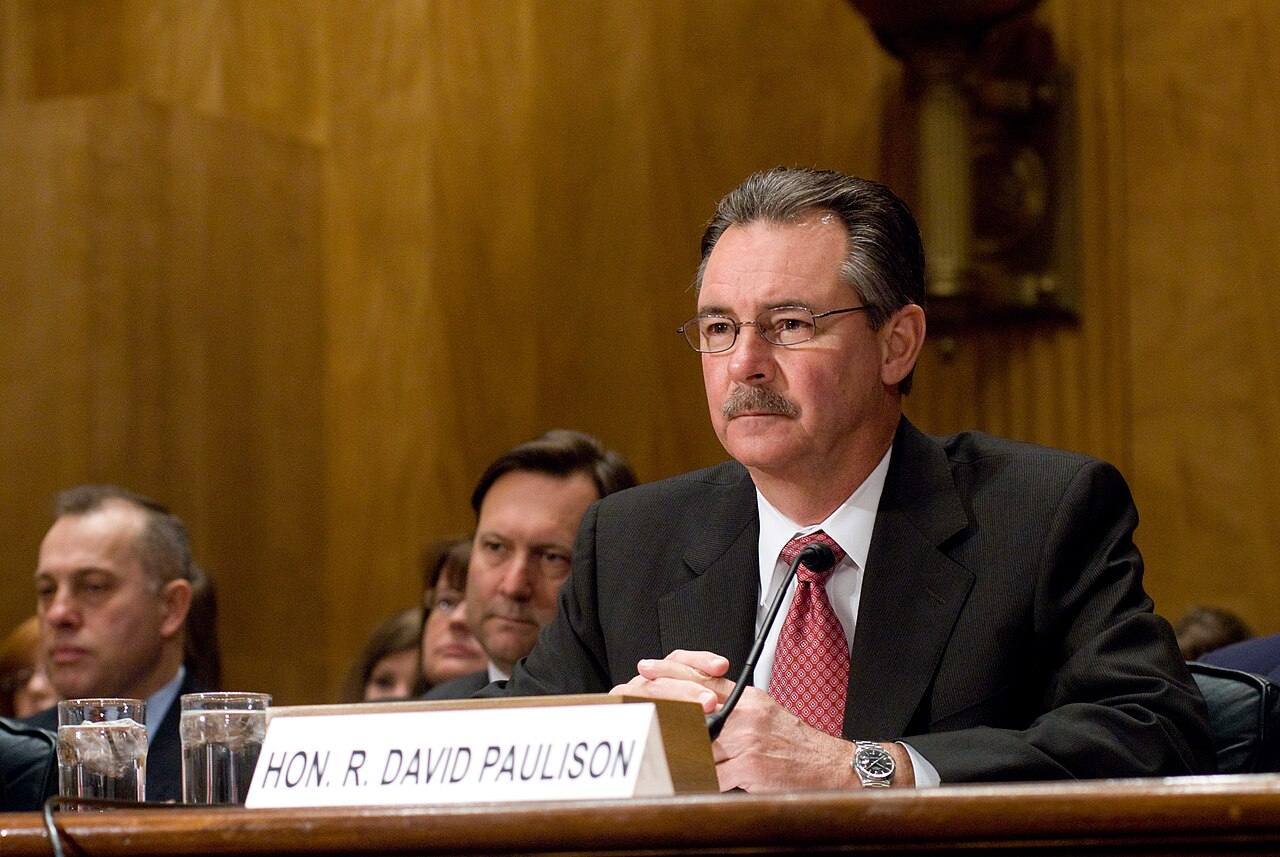
The Political Landscape
In the wake of President George W. Bush's re-election, Republicans are poised to push forward their agenda, confident in their mandate to cut taxes and reduce government spending. Yet, the Democratic opposition remains equally resolute, determined to protect social programs and advocate for fiscal responsibility that they argue is being overlooked in the rush to cater to corporate interests.
The clash of these ideologies is not merely a matter of party affiliation but a reflection of the broader societal discourse. On one hand, conservatives argue that a robust economy relies on lower taxes and less government intervention, promoting the idea that prosperity will trickle down to the middle and lower classes. On the other hand, progressives decry this approach as neglectful of the vulnerable, insisting that a strong social safety net is essential for a healthy society.
"The budget is a moral document that reflects our values as a nation." - An unnamed Democratic strategist
The Stakes Involved
As the budget negotiations unfold, the stakes could not be higher. The implications of a government shutdown loom large, as both parties grapple with the consequences of their decisions. While Republicans might be eager to push through cuts that benefit their base, they also risk alienating moderates and independent voters who are wary of extreme measures.
Conversely, Democrats are faced with a dilemma: should they compromise their principles in the name of bipartisan cooperation, or stand firm against what they term reckless fiscal policies? The tension is palpable, and it has created an environment ripe for blame and finger-pointing, rather than constructive dialogue.
Echoes of Extremism
The current political climate is a testament to the excesses of both sides. On one hand, the right has become increasingly dogmatic in its approach to governance, often dismissing the needs of the populace in favor of a rigid ideology. The insistence on tax cuts for the wealthy, under the guise of stimulating the economy, raises questions about the priorities of those in power.
Meanwhile, the left has also exhibited its own brand of excess, often resorting to hyperbole in their critiques of Republican policies. The rhetoric surrounding social issues can sometimes overshadow practical solutions, leading to a polarized electorate that feels more like spectators than participants in the political process.
"The extremes on both sides are pushing us further apart, and the American people are caught in the middle." - A concerned voter
Bridging the Divide
The potential for compromise exists, but it requires both sides to step back from their entrenched positions. A genuine dialogue that prioritizes the needs of the American people over party loyalty is essential in these times. Finding common ground on budgetary issues could pave the way for more significant reforms that benefit the entire nation.
As negotiations continue, the voices of the electorate must be heard. Citizens are increasingly frustrated by the theatrics of Washington, and they seek leaders who are willing to put aside partisan differences for the greater good. The question remains: will Congress rise to the occasion, or will the budget standoff devolve into a prolonged stalemate that leaves the nation’s priorities in limbo?
The Road Ahead
The budget standoff is more than a political impasse; it is a reflection of the nation's struggle to reconcile competing ideologies and priorities. As the new Congress embarks on this critical journey, the hope is that reason and collaboration will prevail over division and extremism.
In this era of intense partisanship, the stakes are high. The budget is not just a number on a page; it embodies the values and aspirations of the American people. Moving forward, it is imperative that both parties approach the budget negotiations with a sense of responsibility and a commitment to the common good.
✦ ✦ ✦