From the file. Written for the paper dated December 2004. Opened in the public stacks July 14, 2026.
In a political landscape increasingly defined by partisan divides, the recent filibuster fight in the Senate has become a focal point for both sides of the aisle to showcase their commitment to democracy and governance. Yet, as the dust settles, the contrast between public claims and legislative reality reveals a troubling trend.

The Filibuster: A Tool of the Minority or a Weapon of the Majority?
The filibuster, a procedural tactic used to prolong debate and delay or prevent a vote on a bill, has a storied history in the U.S. Senate. While it has been championed by many as a safeguard for minority rights, its application over the last few years has shifted dramatically. Both Democrats and Republicans have leveraged this tool to advance their own agendas, often at the expense of true bipartisan cooperation.
As we enter the final weeks of 2004, the battle over the filibuster has intensified, with each party accusing the other of undermining democratic principles. The rhetoric has reached fever pitch, with Democrats warning of a "nuclear option" should Republicans continue their push to curtail the filibuster's power. Conversely, Republicans argue that the filibuster has been abused, hindering progress on critical legislation including judicial appointments.
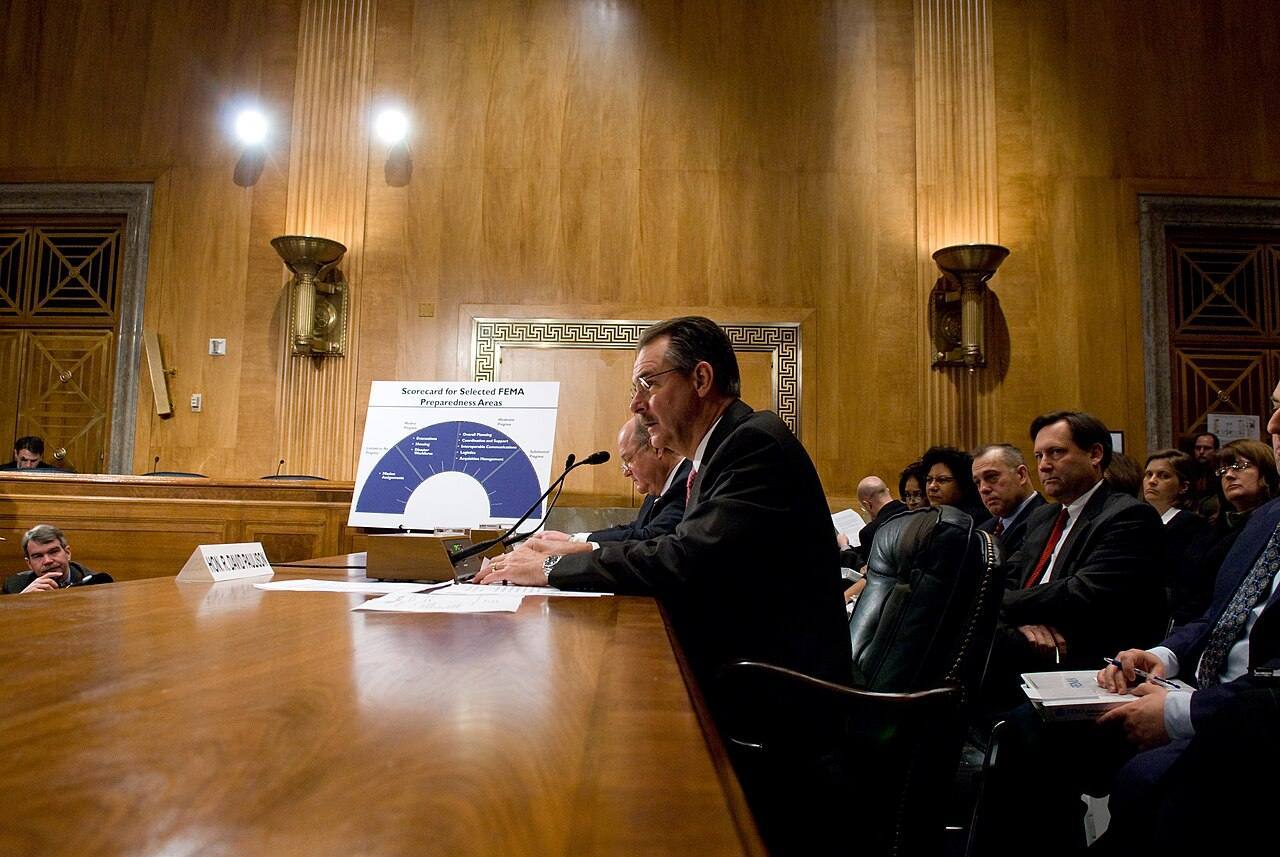
"It's time to end the gridlock and allow the Senate to function as it was intended." - Republican Senator
While these claims resonate with party bases, they often overlook the complexities of legislative procedure. The truth is that both parties have, at times, exploited the filibuster to suit their needs, painting a picture of hypocrisy that is hard to ignore. The current climate has left many citizens frustrated, feeling that their elected officials are more interested in political games than in substantive governance.
Public Perception vs. Legislative Reality
Public opinion appears to be swayed by the theatrics of Washington, with many voters unaware of the finer points of the legislative process. Recent polls indicate that a significant portion of the American electorate supports reforming the filibuster, believing it to be responsible for the current gridlock. However, such sentiments often come from a place of anger rather than understanding, as voters grapple with the implications of a more fragile Senate majority.
For instance, a closer look at recent history reveals that during the Clinton administration, Republicans utilized the filibuster to block various initiatives, claiming it was essential for maintaining checks and balances. Fast forward to the Bush administration, and we see a similar pattern, with Democrats employing the same tactics in response to what they perceived as overreach by the Republican majority. This cyclical nature of political maneuvering does little to build trust among constituents.
The Consequences of Excess
The impact of these excesses is not just a matter of legislative procedure; it has real consequences for the American public. As the debate rages on, critical issues such as healthcare, education, and national security often take a back seat. The focus on procedural battles detracts from the pressing needs of constituents who expect their leaders to govern effectively.
Moreover, the hyper-partisan environment fosters an atmosphere where compromise is viewed as weakness, rather than a necessary component of governance. Both parties must recognize that the erosion of trust and cooperation ultimately harms the very fabric of democracy. It is imperative that our leaders take a step back and reconsider their approach to the filibuster and other legislative tools.
The Path Forward
As 2004 draws to a close, the future of the filibuster remains uncertain. There are calls from within both parties to revisit the rules governing Senate procedure, but such discussions often devolve into partisan posturing. The real challenge lies in finding common ground and fostering a sense of shared responsibility among lawmakers.
Ultimately, the American public deserves a Congress that prioritizes effective governance over political gamesmanship. The filibuster can be a powerful tool for ensuring minority voices are heard, but when wielded recklessly, it can also stifle the very progress that citizens demand. As we look ahead, it is crucial that both parties rise above their excesses and work toward a more cooperative and functional legislative process.
✦ ✦ ✦