From the file. Written for the paper dated December 2004. Opened in the public stacks July 14, 2026.
As the debate over border policy intensifies in the wake of the recent elections, it is crucial to dissect the public claims made by both sides of the political spectrum and juxtapose them against the existing record. The complexities of border policy mechanics, particularly in the context of immigration, security, and economic implications, demand careful examination.

Promises and Reality
In recent months, both Democrats and Republicans have made bold assertions about their commitment to border security and immigration reform. The rhetoric, often heated and polarized, tends to overshadow the nuanced realities of policy implementation. The Republican party, buoyed by a strong electoral performance, has positioned itself as the bastion of security, claiming that a more robust border presence will deter illegal immigration and protect American jobs. Meanwhile, Democrats have argued for a compassionate approach, advocating for pathways to legal residency for undocumented immigrants who contribute to society.
However, a closer inspection reveals discrepancies between these claims and the actual state of affairs. The Republican emphasis on increased enforcement often neglects the underlying economic factors that drive immigration, such as labor shortages in various industries. While the call for more agents and surveillance technology is loud, the effectiveness of such measures in truly addressing the complexities of border dynamics remains questionable.
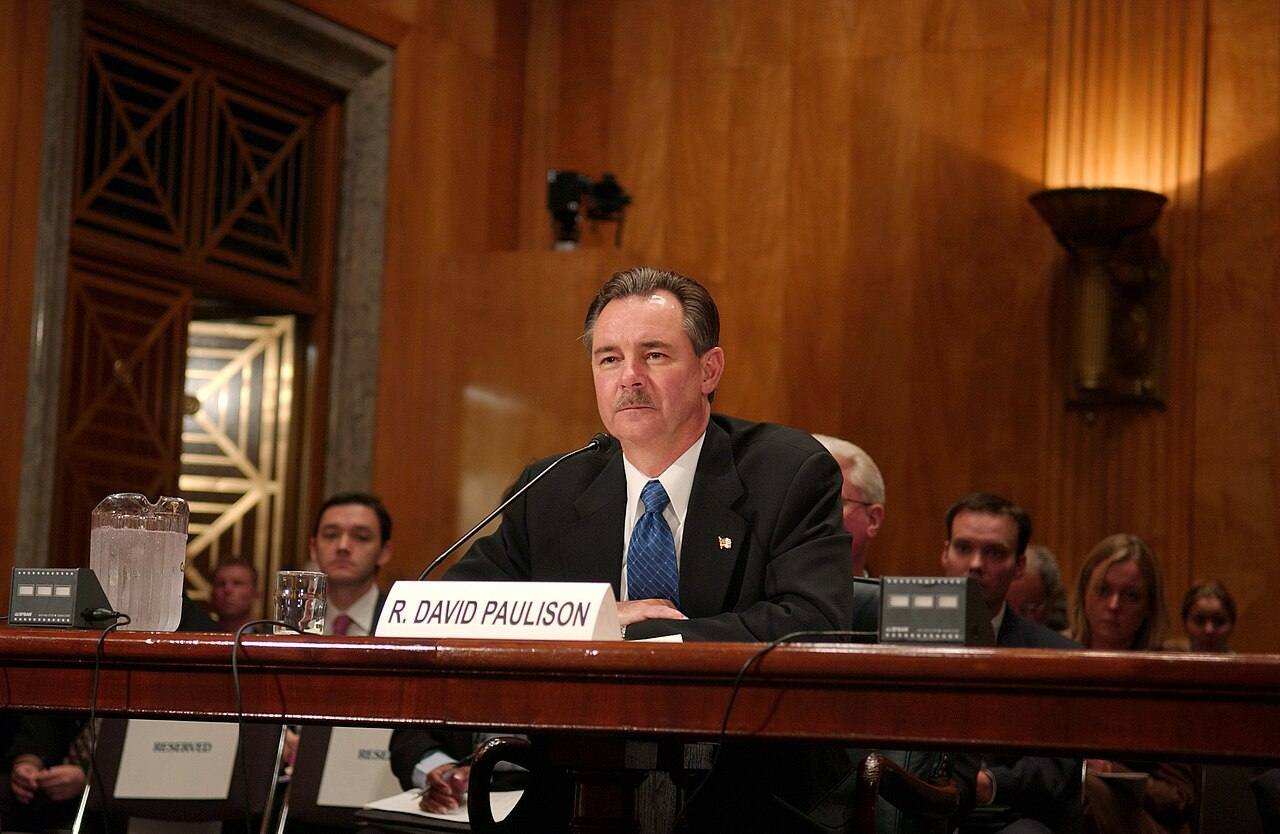
"Both parties are quick to exploit border issues for political gains, but the real solutions require bipartisan cooperation."
Economic Implications of Border Policy
The economic implications of border policy are multifaceted. Often, the narrative focuses on the perceived costs associated with illegal immigration, yet rarely do we see an acknowledgment of the contributions made by undocumented workers to various sectors of the economy. Agriculture, construction, and service industries heavily rely on labor that is often supplied by immigrants willing to work for lower wages. This reliance raises questions about the sustainability of a border policy that seeks to eliminate undocumented labor without considering the economic ramifications.
Moreover, the Republican stance on immigration reform tends to be grounded in a fear of job loss, yet the reality is that many American jobs remain unfilled due to a lack of available workers. This gap presents an opportunity for a different narrative - one that embraces immigration as a solution to labor shortages rather than a problem to be eradicated.
Humanitarian Concerns and Enforcement Tactics
On the other side of the aisle, the Democratic narrative often emphasizes the humanitarian aspects of immigration. While this is an important perspective, the party must also grapple with the enforcement tactics that have historically accompanied calls for reform. The current administration's policies, while advocating for humane treatment of immigrants, continue to support measures like increased deportations and the construction of barriers along the border.
Such tactics raise ethical concerns and present a contradiction within the humanitarian framework. While Democrats advocate for pathways to citizenship, the reality of increased enforcement can lead to fear and uncertainty among immigrant communities. Striking a balance between security and compassion remains a significant challenge.
The Role of Public Opinion
Public opinion plays a critical role in shaping border policy. Polls indicate that a substantial portion of the American populace supports stricter immigration controls, often fueled by fears surrounding national security and economic competition. However, there is also a significant contingent that advocates for comprehensive reform, recognizing the contributions of immigrants to the fabric of American society.
The challenge for policymakers is to reconcile these competing narratives. The framing of immigration as an issue of national security often leads to oversimplified solutions that fail to address the root causes of migration. Furthermore, the demonization of immigrants perpetuates a culture of fear and division, making it increasingly difficult to foster constructive dialogue.
Finding Common Ground
In order to address the complexities of border policy effectively, both parties must move beyond sound bites and engage in substantive discussions. The excessive rhetoric surrounding border security often serves to polarize opinions rather than cultivate understanding. It is vital for lawmakers to recognize the multifaceted nature of immigration and border policy, understanding that solutions require cooperation and compromise.
While the political landscape may be fraught with tension, there exists an opportunity for both sides to come together to create a comprehensive approach to immigration that balances enforcement with compassion. In doing so, they can honor the rich history of immigration in the United States while ensuring the safety and prosperity of all its citizens.
✦ ✦ ✦