From the file. Written for the paper dated October 2004. Opened in the public stacks July 14, 2026.
In politics, the ongoing debate over process versus performance has never been more pronounced. As we approach the final stretch of the presidential election, the incentives driving both parties often prioritize process over meaningful results.
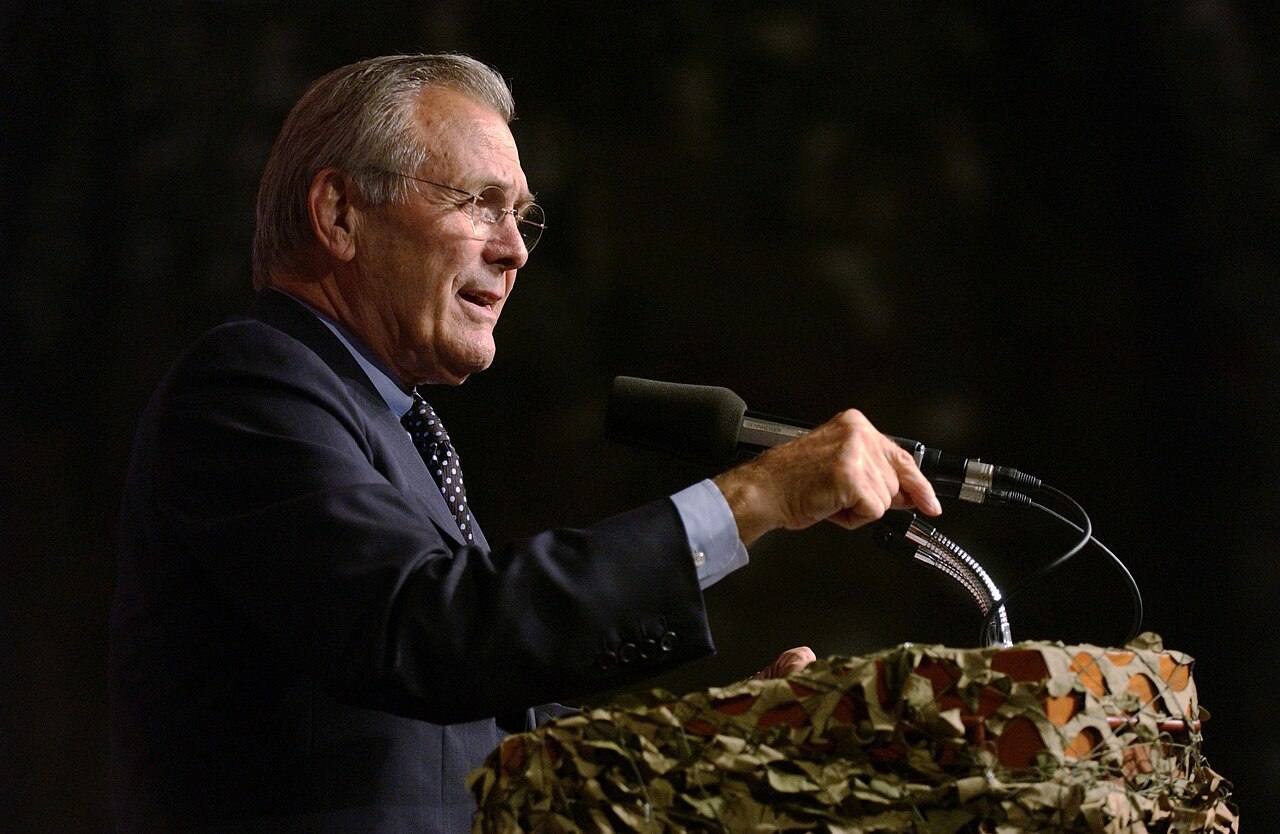
The Political Dance
The political landscape in October 2004 is characterized by a series of elaborate performances that overshadow the fundamental questions about effective governance. The Republican Party, spearheaded by President George W. Bush, continues to tout its successes in the War on Terror, emphasizing the processes that led to the toppling of regimes in Afghanistan and Iraq. However, the performance metrics of these actions remain questionable. Are we truly safer? Are the citizens of these nations better off? These questions linger, and yet the administration appears more focused on the narrative than the reality.
On the other side of the aisle, Democrats have taken a different approach. Senator John Kerry and his campaign have critiqued the Bush administration's foreign policy, arguing that it has alienated allies and failed to deliver on promises of stability. Yet, as Kerry rallies his supporters, one must wonder if his campaign is equally guilty of prioritizing process over performance. The constant focus on the intricacies of policy proposals and the perceived failures of the current administration can lead to a neglect of the broader vision needed to inspire confidence in potential voters.
“In the end, it is not just about how we get there, but where we are going.”
Incentives Gone Awry
Both parties seem to be caught in a cycle of incentives that reward spectacle over substance. For Republicans, the incentive lies in rallying their base through patriotic fervor and the promise of security. The process of presenting a strong front in the face of international threats has become a cornerstone of their campaign strategy. However, this focus on security can overshadow pressing domestic issues like healthcare, education, and the economy, which require substantive performance rather than mere process.
For the Democrats, the incentive structure appears to reward criticism and opposition rather than presenting a concrete plan for governance. Kerry's campaign is filled with potent critiques of the status quo, yet it often lacks a detailed vision of how to improve upon it. The Democratic strategy seems to focus more on dismantling the Bush administration’s narrative rather than constructing a compelling alternative. While this may energize their base, it risks alienating moderate voters who seek a clear path forward rather than a rehashing of past grievances.
The Cost of Performance Politics
As the election looms, the implications of prioritizing process over performance become increasingly evident. Voter disillusionment is palpable, with many Americans feeling as though neither party has adequately addressed their concerns. The focus on political theater has overshadowed the pressing issues confronting the nation. Economic instability, rising healthcare costs, and the ongoing war in Iraq all demand serious attention and solutions rather than mere procedural rhetoric.
Moreover, the media landscape has contributed to this phenomenon. Coverage often emphasizes the drama of campaigns - the speeches, the debates, the gaffes - rather than the actual policies that will affect citizens’ lives. This focus on sensationalism can lead to a skewed perception of what matters in governance, where style is mistaken for substance. Both parties must recognize that their performances on the political stage have consequences beyond the election cycle.
A Call for Accountability
To break this cycle, there must be a concerted effort from both parties to shift the focus from process to performance. The American electorate deserves more than political theater; they deserve politicians who will hold themselves accountable for delivering tangible results. This means developing policies that address the real needs of citizens, fostering dialogue that goes beyond sound bites, and committing to long-term solutions rather than short-term political gains.
As we move closer to Election Day, it is crucial for voters to demand accountability from their candidates. The questions we should be asking are not just about how a candidate plans to get things done, but what they plan to achieve. The stakes are too high for us to settle for anything less than performance that benefits the American people.
✦ ✦ ✦