From the file. Written for the paper dated October 2004. Opened in the public stacks July 14, 2026.
As the election draws near, the complex issue of presidential pardon power is back in the spotlight, revealing both the excesses of political maneuvering and the potential for genuine justice.
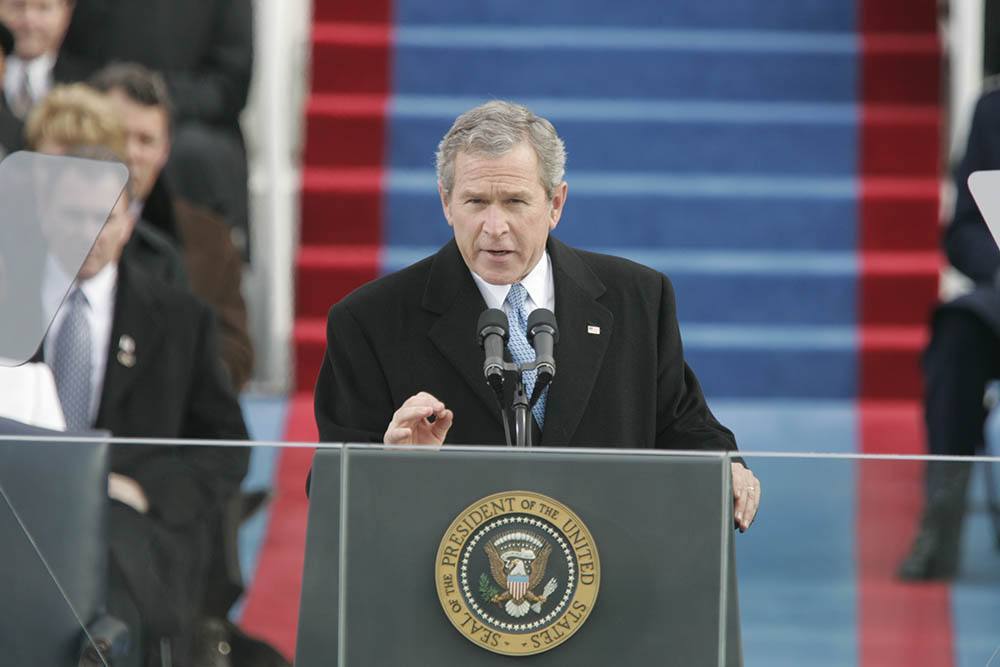
The Political Chess Game
The power of the president to grant pardons is one of the most controversial tools in the executive arsenal. On one hand, it can serve as a mechanism for mercy and rehabilitation; on the other, it can be weaponized for political gain. With the presidential election fast approaching, both parties are using the topic of pardon power to their advantage.
Recent weeks have seen an uptick in discussions about clemency, particularly related to high-profile cases. Advocates for criminal justice reform are calling for more transparency in the pardon process, arguing that it should not be a privilege reserved for the well-connected or politically favored. Meanwhile, opponents on the right often frame the issue as a matter of law and order, suggesting that any use of pardons undermines the rule of law.
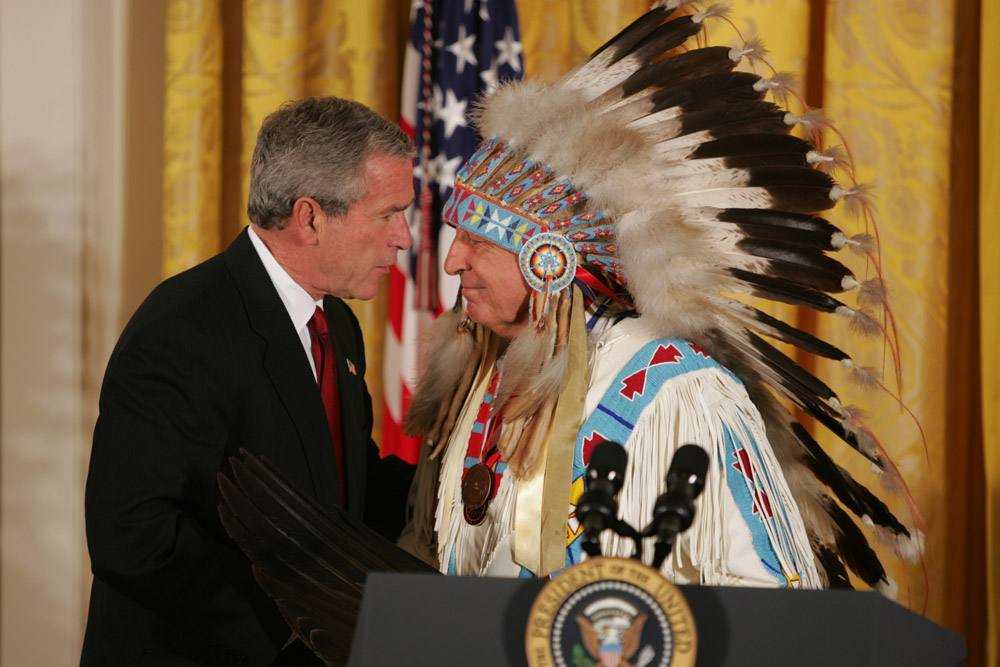
"The pardon power is not just an executive tool; it’s a political weapon that can be used to curry favor with critical voter demographics."
Excesses on the Left
On the left, there is a tendency to romanticize the role of pardons as a pathway to social justice. Liberals often champion the idea that countless individuals are incarcerated for nonviolent offenses, particularly drug-related crimes, and advocate for sweeping pardons to rectify these injustices. However, this perspective can oversimplify the complexities of individual cases and the potential consequences of blanket pardons. The risk here is that in the rush to appear progressive, some advocates may overlook the due process that underpins our legal system.
Excesses on the Right
Conversely, the right is quick to decry any use of pardons that appears lenient, often framing them as a betrayal of victims and a threat to public safety. This hardline stance can lead to an over-simplification of the issues surrounding criminal justice. In their fervor to uphold law and order, some conservatives may ignore the systemic problems that contribute to high incarceration rates - issues that require more nuanced solutions than merely denying pardons. The risk is that the right's rigidity could perpetuate a cycle of injustice, where rehabilitation is sacrificed at the altar of retribution.
Bridging the Divide
What is sorely needed is a more balanced approach to the issue of pardons - one that recognizes the importance of both justice and compassion. The goal should not be to weaponize the pardon power for political gain but rather to use it judiciously, with a focus on fairness and rehabilitation. This requires dialogue across the aisle, an area that has been sorely lacking in recent years.
As the election heats up, candidates from both parties would do well to remember that the conversation around pardons is not just about politics; it is about people and the impact of their decisions on real lives. Rather than resorting to hyperbolic rhetoric, a more thoughtful discussion could lead to reforms that benefit society as a whole.
A Call for Reform
In the end, the discussion surrounding pardon power must evolve beyond political posturing. If we are to truly address the flaws in our criminal justice system, we must engage in a comprehensive examination of the criteria for pardons, ensuring that they are granted based on merit rather than political expediency. Both sides of the aisle should be willing to come together to find common ground, focusing on rehabilitation rather than merely punitive measures.
As voters head to the polls in the coming weeks, they should consider which candidates are willing to prioritize justice over politics. It is critical to elect leaders who understand that the power to pardon is not just a privilege - it is a profound responsibility that can shape the lives of many.
✦ ✦ ✦