From the file. Written for the paper dated September 2004. Opened in the public stacks July 14, 2026.
As rail freight continues to play a pivotal role in the American economy, the discussions surrounding its efficiency often miss critical perspectives that deserve attention.
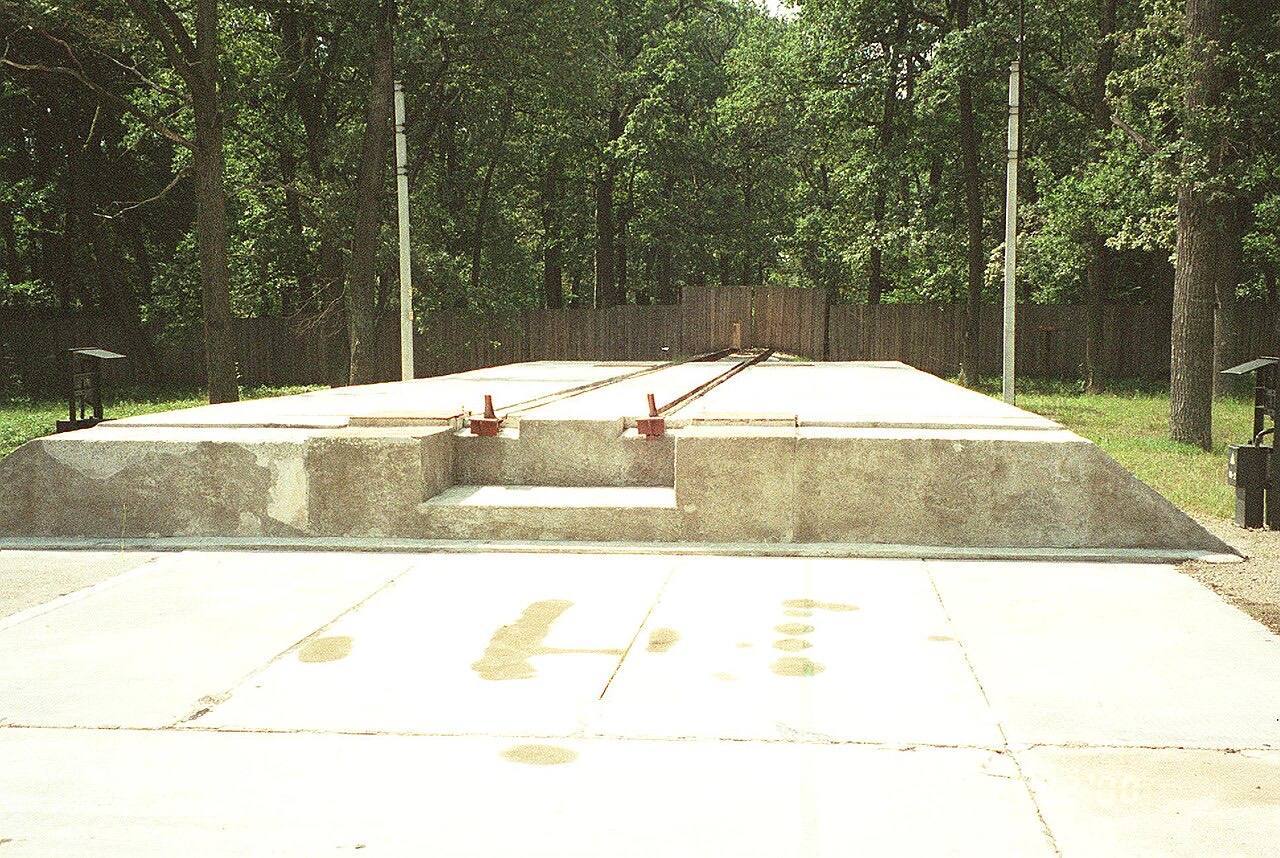
Understanding the Rail Freight Landscape
Rail freight is a backbone of commerce in the United States, facilitating the movement of goods across vast distances. It is often heralded for its efficiency and capacity to transport large volumes of cargo compared to other methods, such as trucking. However, while some celebrate the achievements of this industry, it is essential to examine what gets left out of the briefings that shape public perception and policy decisions.
In recent months, we have seen an uptick in reports emphasizing the profitability of rail companies and the advancements in technology that have led to improved operational efficiencies. Yet, these narratives often gloss over the broader implications of rail freight operations, particularly in relation to environmental impacts and labor conditions.

"The rail industry might be efficient, but who really bears the cost of that efficiency?"
The Environmental Costs
As the rail industry touts its ability to reduce greenhouse gas emissions per ton-mile when compared to trucking, it is crucial to dig deeper into the environmental costs associated with rail freight. The construction of new rail lines, the expansion of existing ones, and the need for infrastructure upgrades can lead to significant ecological disruption. The potential consequences for local ecosystems and wildlife are often overshadowed by the industry's self-proclaimed green credentials.
Moreover, while trains may be more efficient, the sourcing of materials for rail infrastructure can lead to environmental degradation in the areas from which these materials are extracted. These aspects need to be included in any comprehensive analysis of rail freight's environmental footprint. The narrative should not just celebrate the efficiency but also consider the broader ecological implications that arise from rail expansion.
Labor Concerns in Rail Freight
Alongside environmental issues, the labor conditions within the rail industry are often overlooked in mainstream discussions. While rail companies may report record profits, the experiences of workers tell a different story. Job security and working conditions remain pressing concerns for many rail employees. From long hours and unpredictable schedules to the pressure of maintaining high productivity levels, the sacrifices made by the workforce are seldom acknowledged.
Furthermore, the ongoing consolidation in the rail industry has raised legitimate concerns regarding worker rights and fair compensation. As companies merge and streamline their operations, the threat to job stability grows. A healthy economy cannot thrive without a secure workforce, and ignoring these issues in favor of celebrating corporate profits can lead to a precarious balance in the industry.
The Political Landscape
As the political landscape shifts in the lead-up to the 2004 elections, the rail freight industry finds itself at the intersection of several ideologies. On one side, the left emphasizes environmental protections and labor rights, while the right tends to focus on deregulation and economic growth. Both sides have their merits, yet the discourse often spirals into extremes that fail to address the complexities of the situation.
Critics on the left may argue for stricter regulations on rail companies to ensure environmental protection and fair labor practices. However, such regulations, if too stringent, could stifle innovation and hinder economic growth. Conversely, the right's push for deregulation can lead to a race to the bottom, where profits are prioritized over worker rights and environmental stewardship.
This polarization can paralyze meaningful dialogue. A balanced approach that considers the needs of the environment, workers, and economic viability is crucial for the future of rail freight. Instead of taking extreme positions, stakeholders need to engage in constructive discussions that lead to policies benefiting all parties involved.
Conclusion: A Call for Balanced Perspectives
As the rail freight industry continues to evolve, it is essential that discussions surrounding it remain nuanced and comprehensive. By examining the often-overlooked environmental impacts and labor concerns, we can foster a more informed dialogue that transcends the extremes of political rhetoric. The future of rail freight should not only be about efficiency and profit but also about sustainability and social responsibility.
✦ ✦ ✦