From the file. Written for the paper dated August 2004. Opened in the public stacks July 14, 2026.
As the summer heat bears down on many American cities, public clinics across the nation are grappling with a surge in demand for healthcare services. The numbers reveal a complex landscape, one that reflects both the successes and failures of the U.S. healthcare system.
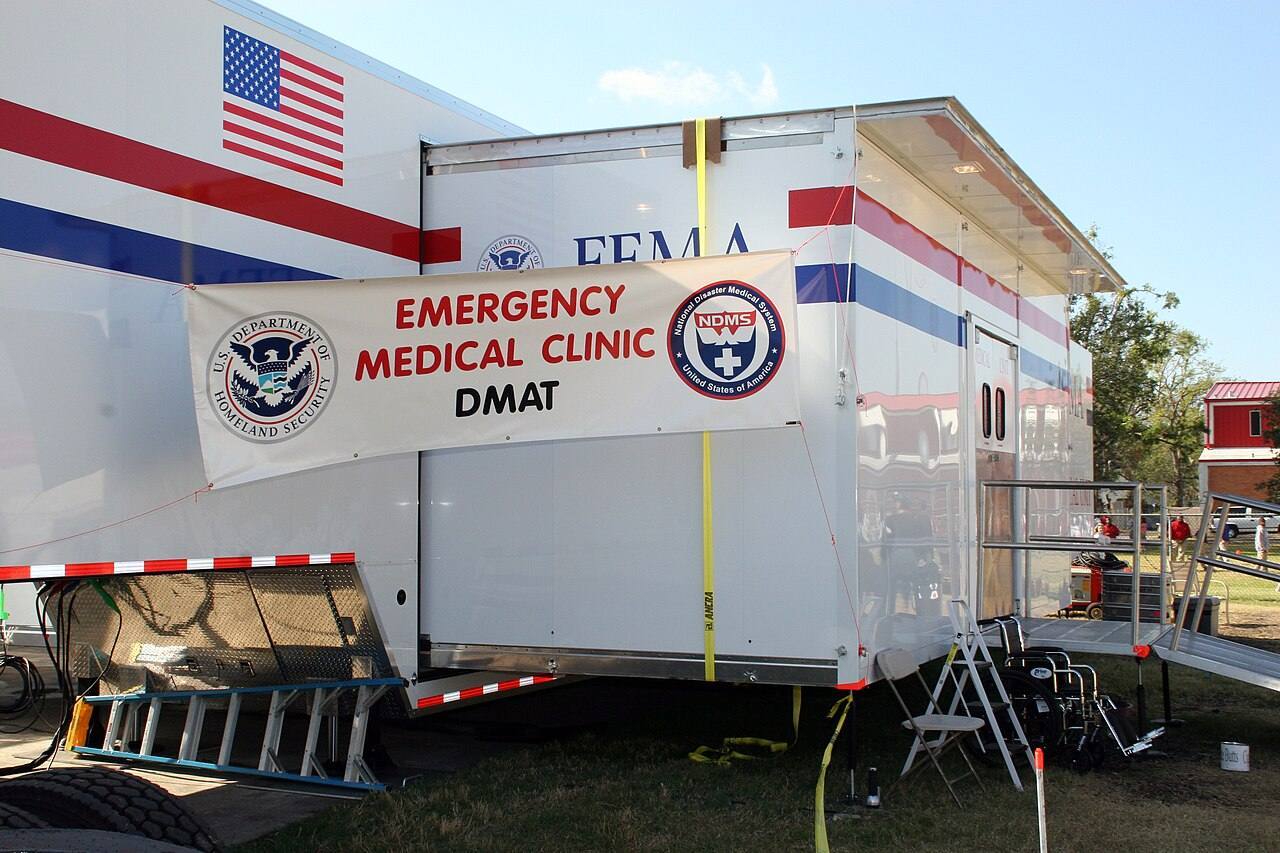
Rising Demand and Limited Resources
In recent weeks, public clinics have seen a marked increase in patient visits, with many facilities reporting a 20 percent rise in foot traffic compared to last year. This uptick can be attributed to several factors, including a lack of affordable health insurance, rising unemployment rates, and an increase in uninsured individuals seeking care.
However, the growing demand highlights a troubling reality: many public clinics are operating on shoestring budgets and are unable to meet the needs of their communities effectively. Shortages in staff, limited hours, and a lack of essential medical supplies plague these facilities, leaving many patients with long wait times and inadequate care.
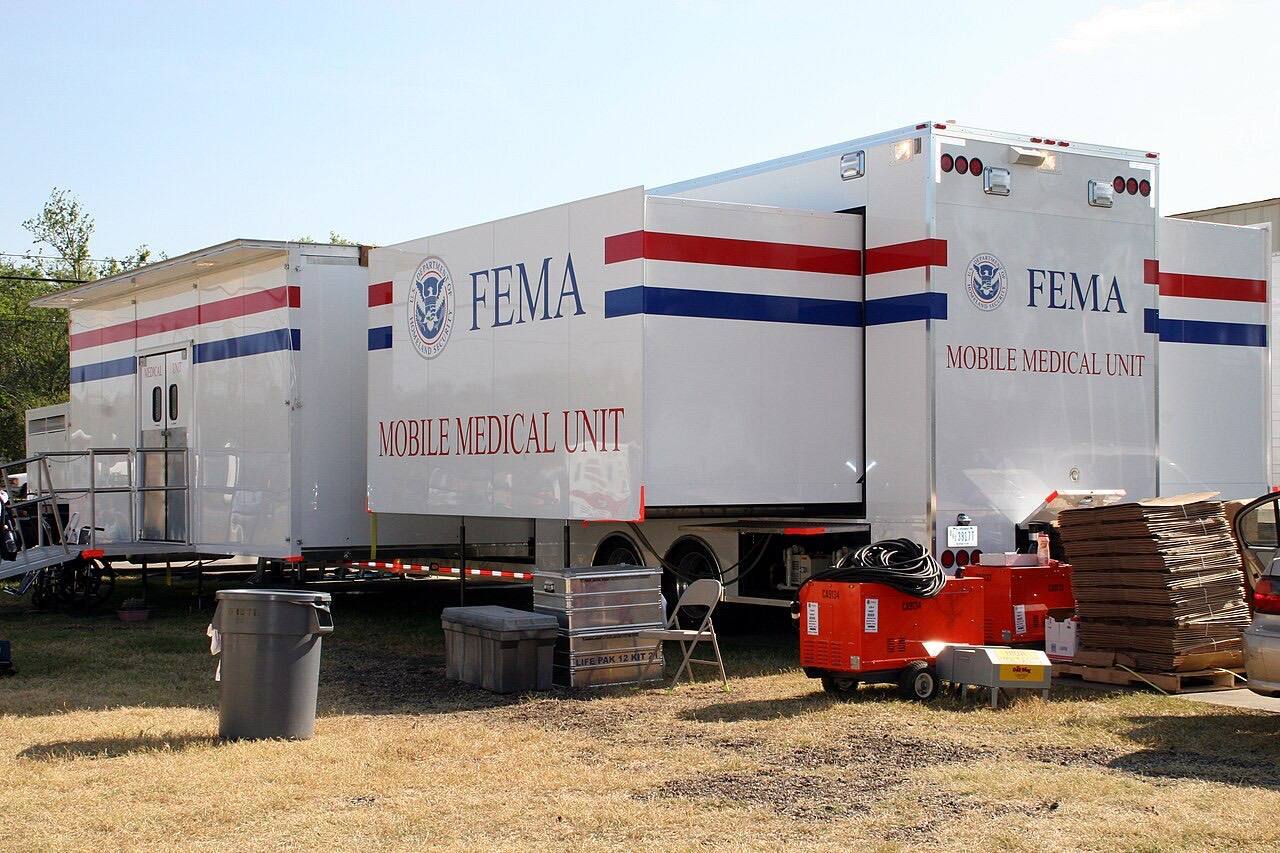
The growing demand for services at public clinics underscores the shortcomings of our healthcare system, where access often depends on financial means.
Political Responses and Misguided Solutions
The political discourse surrounding healthcare has reached a fever pitch as the presidential election draws nearer. On one side, the left advocates for universal healthcare, decrying the inadequacies of the current system. On the other, the right emphasizes personal responsibility and market-based solutions, often overlooking the immediate needs of those who cannot afford care.
While both sides present valid points, the reality is that neither approach addresses the immediate crisis facing public clinics. The left’s push for government-funded healthcare may seem noble, but the logistics of implementation could overwhelm already strained resources. Conversely, the right’s insistence on market solutions ignores the fact that many Americans are simply unable to afford insurance premiums, let alone out-of-pocket expenses for medical visits.
Community Initiatives and Local Responses
Despite the challenges, many communities are stepping up to bolster their clinics. Local non-profit organizations have begun fundraising efforts to provide clinics with much-needed supplies and staff. Additionally, innovative programs aimed at preventative care are being introduced to help reduce the burden on these facilities.
One successful initiative in a Midwestern city has involved local high school students volunteering at clinics, assisting with administrative tasks and providing outreach services. This not only alleviates some pressure from the staff but also engages young people in community health issues, fostering a sense of responsibility and connection.
The Role of Public Awareness
Public clinics rely heavily on community support, and raising awareness about their services is crucial. Many individuals remain unaware of the care options available to them, often suffering in silence rather than seeking help. Public health campaigns that educate the community about available resources can make a significant difference.
Moreover, there is a pressing need for a shift in how healthcare is perceived in America. The stigma surrounding public clinics must be dismantled, encouraging those in need to seek help without fear of judgment. This cultural change is essential for ensuring that public clinics can operate at their fullest potential.
Looking Ahead
As the summer winds down, the future of public clinics remains uncertain. With increasing patient loads and insufficient resources, the question looms: will policymakers take substantive action to address the root causes of this crisis, or will they continue to engage in partisan finger-pointing while the health of countless Americans hangs in the balance?
Ultimately, both sides of the political spectrum must find common ground to ensure that public clinics can provide effective care to those who need it most. The excesses of partisan politics may overshadow the pressing needs of the people, but it is imperative that we keep the focus on solutions that prioritize healthcare accessibility above all else.
✦ ✦ ✦