From the file. Written for the paper dated August 2004. Opened in the public stacks July 14, 2026.
As the country navigates the complex landscape of federal agency rulemaking, a closer examination reveals a tug-of-war between the demands of regulation and the desire for deregulation. This week’s developments highlight the extremes on both sides of the political spectrum.

Regulatory Overreach or Necessary Protection?
The current political climate is rife with accusations of regulatory overreach from the right, while the left often champions the need for robust regulations to protect the environment and consumer rights. The truth, however, lies in a more nuanced examination of recent rulemaking activities by federal agencies.
Recent reports indicate that the federal government has introduced a series of new regulations aimed at various sectors, including environmental protection, labor standards, and public health. Indeed, the Environmental Protection Agency (EPA) has proposed stricter emissions standards for power plants, while the Occupational Safety and Health Administration (OSHA) has moved forward with new workplace safety regulations. These actions have sparked fervent debates and mobilized interest groups on both sides.
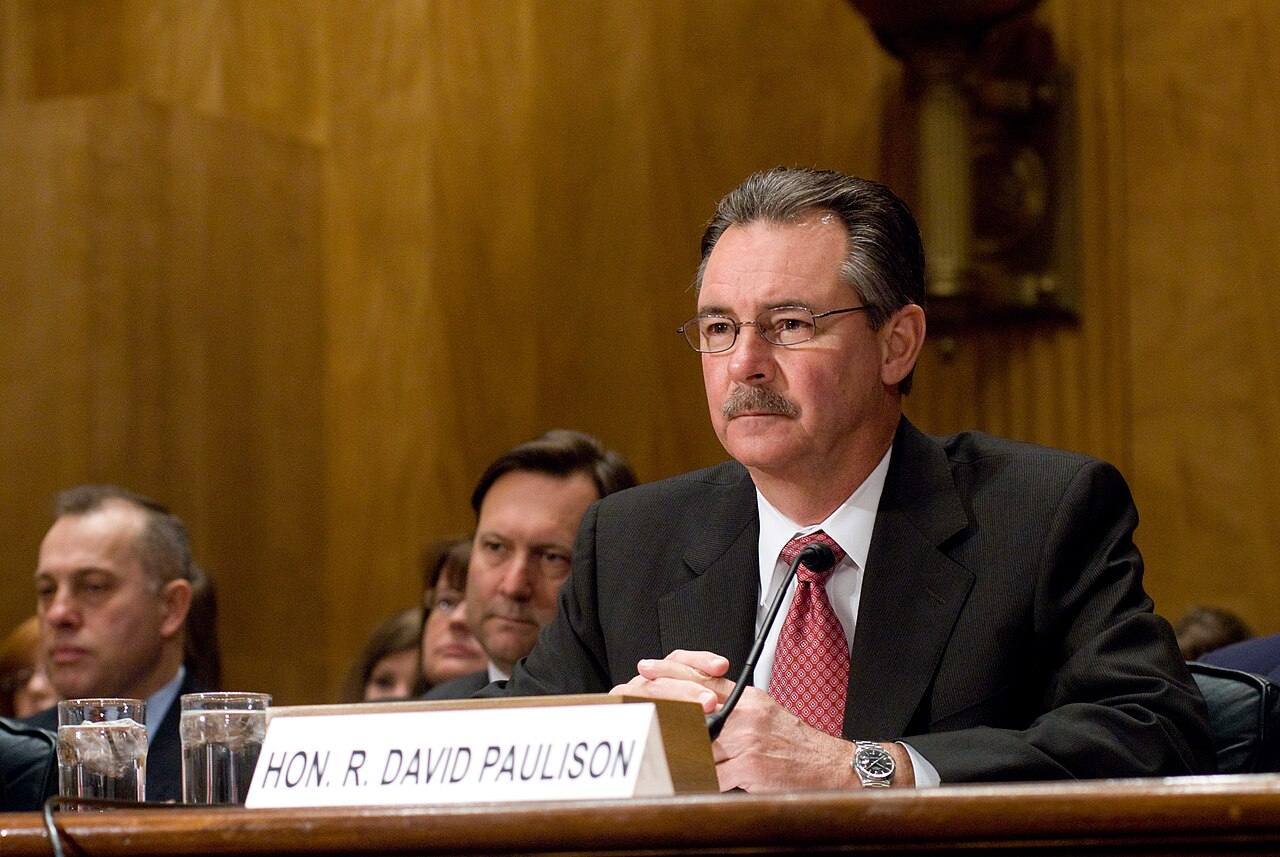
“Regulations can stifle innovation, but they are essential for protecting our health and environment.”
Critics from the right argue that such measures come at a significant economic cost, inhibiting growth and burdening businesses with compliance expenses. The refrain is familiar: excessive regulation hampers job creation and stifles the entrepreneurial spirit. However, proponents of these regulations counter that they are essential for safeguarding public welfare and ensuring fair practices in the marketplace.
Deregulation and Its Discontents
On the other end of the spectrum, the push for deregulation has gained considerable momentum. The administration has made strides to remove what it considers burdensome regulations, particularly in the energy sector. The recent rollback of the Clean Air Act amendments has raised eyebrows among environmentalists, who fear the potential consequences for air quality and public health.
Yet, while deregulation is often framed as a way to promote economic prosperity, the implications of these actions can be far-reaching and detrimental. The debate frequently centers on whether the benefits of deregulation truly outweigh the risks posed to the environment and society at large. The left warns that unfettered industry could lead to environmental catastrophes and a decline in worker protections.
Finding Common Ground
While the extremes of both sides paint a divisive picture, there is a growing consensus among moderate voices that a balanced approach is necessary. The public is increasingly aware that neither complete deregulation nor excessive regulation is a viable solution. Instead, stakeholders are calling for a regulatory framework that promotes innovation while protecting public interests.
This sentiment resonates across party lines, as many citizens recognize that effective regulation can coexist with economic growth. There is a desire for transparency and accountability in rulemaking processes, as well as a push for regulations that are well-researched and based on empirical evidence rather than political ideologies.
“A balanced approach to regulation can foster innovation and protect our communities.”
In the coming weeks, we can expect continued scrutiny of federal agency rulemaking. It will be essential for both the left and right to engage constructively, rather than resorting to hyperbolic claims that only serve to deepen divisions. The American public is weary of partisanship and demands solutions that prioritize both economic and social welfare.
The Future of Federal Rulemaking
As we reflect on the week’s developments, it is clear that the future of federal rulemaking hinges on the ability of policymakers to embrace compromise and seek collaborative solutions. The stakes are high, and the consequences of regulatory decisions will reverberate throughout various sectors of American life.
In a charged political environment, the challenge is to rise above the fray and recognize that sound governance requires thoughtful deliberation and a willingness to listen. The American people deserve a regulatory framework that safeguards their interests while fostering an environment ripe for innovation and progress.
✦ ✦ ✦