From the file. Written for the paper dated June 2004. Opened in the public stacks July 14, 2026.
In a week marked by heightened labor tensions, the ongoing wave of strikes has exposed the selective memory of both political parties when it comes to the rights of American workers. The struggle for fair wages and better working conditions is as old as the republic itself, yet the responses from the left and right have been strikingly divergent, raising questions about their true commitment to labor issues.

The Strikes
As the summer heat sets in, so does the unrest among American workers. Whether it's the hotel staff in Las Vegas demanding better pay and benefits or the auto workers in Detroit calling for job security in the face of outsourcing, the labor movement is experiencing a resurgence. Unions are flexing their muscles, and the strikes are just a symptom of a larger discontent brewing among the workforce.
Yet, as labor activists take to the streets, the political landscape seems to shift like sand. The Democrats, traditionally seen as the champions of labor rights, have recently found themselves courting corporate donors, often overlooking the very constituents who helped propel them to power. Meanwhile, Republicans, who have historically favored business interests, are finding themselves in a precarious position as they attempt to appeal to the working-class voters who feel abandoned by their policies.
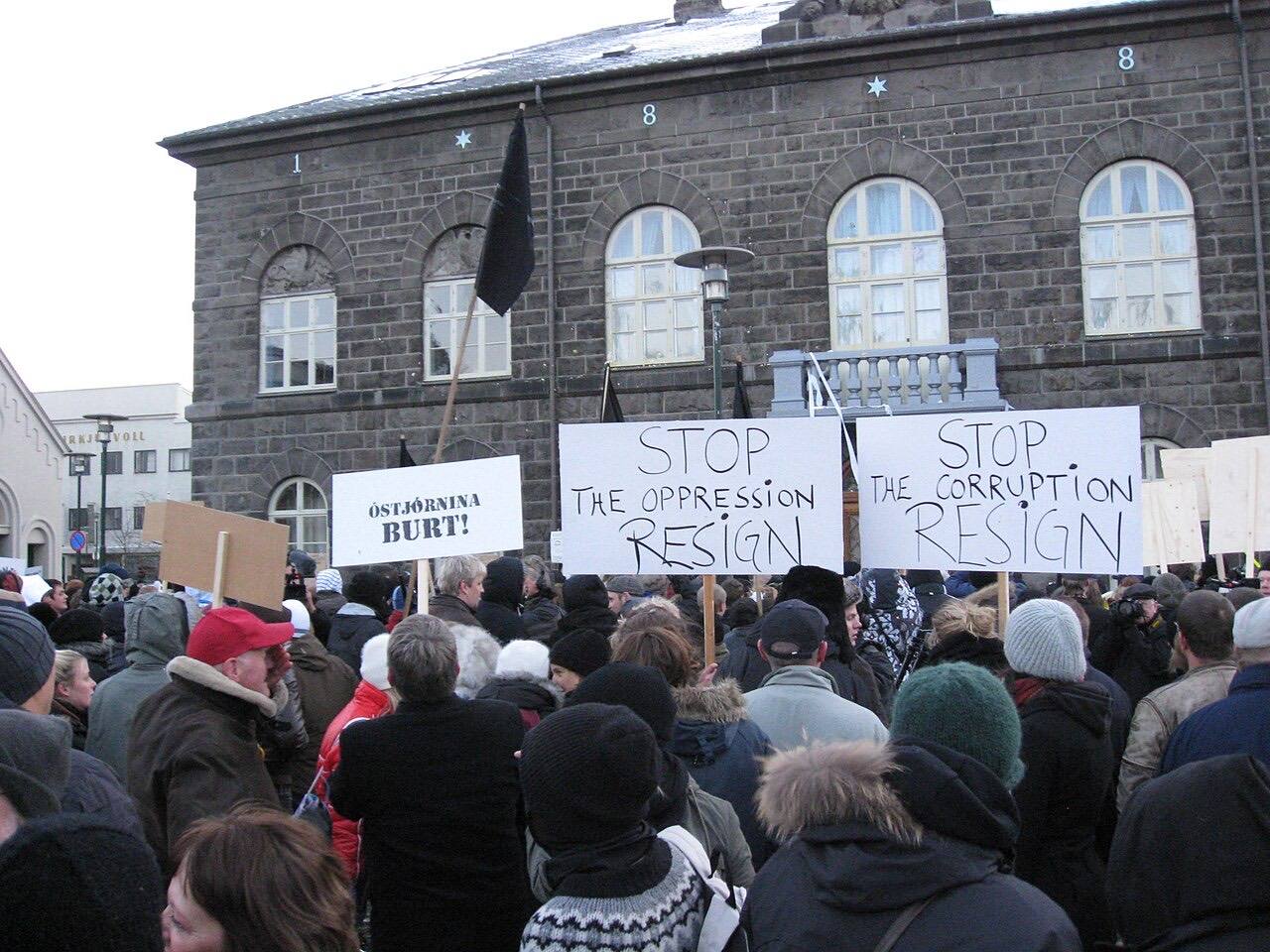
The Left's Short Memory
For the Democrats, the current labor strikes should be a clarion call to reaffirm their commitment to workers’ rights. However, in recent months, their focus has been largely on the presidential election, with candidates prioritizing issues like national security and foreign policy over the plight of American workers. The push for living wages seems to have been relegated to the back burner, as party leaders avoid the conversation that truly matters to their base.
"The struggle for fair wages and better working conditions is as old as the republic itself."
Moreover, the Democratic Party's embrace of globalization has led to a neglect of domestic labor issues. As they champion international trade agreements, they often gloss over the adverse effects these agreements have on American jobs. The gap between the party's rhetoric and its actions is widening, and it’s the workers who suffer the consequences.
The Right's Convenient Amnesia
On the other side of the aisle, Republicans have also exhibited selective memory. They often tout their commitment to free markets and economic growth, yet they conveniently forget the impact of these policies on the average American worker. The GOP's tax cuts for the wealthy and deregulation efforts have not translated into better wages or job security for the labor force. Instead, they have exacerbated income inequality and left workers feeling disenfranchised.
While some leaders in the Republican Party have begun to acknowledge the concerns of the working class, their track record speaks volumes. The party's historical alignment with big business often leads to policies that prioritize corporate profits over worker welfare. As strikes gain traction across the nation, one must wonder if the GOP will truly address the grievances of labor, or if their recent overtures are merely a ploy to win votes.
Common Ground or Division?
The irony is that, in many cases, both parties have a shared responsibility for the plight of American workers. The bipartisan habit of selective memory regarding labor rights has led to a system where workers feel trapped in a cycle of exploitation and neglect. In an era where companies are making record profits, the average worker is left to fight for a living wage while political leaders dance around the issue.
This moment in labor activism should serve as a wake-up call for both parties. The ongoing strikes are not just about wages; they represent a broader struggle for dignity and respect in the workplace. Lawmakers must remember that their constituents are not just numbers on a balance sheet, but real people with families and dreams. The time has come for both sides to acknowledge the importance of labor rights and take action that aligns with their rhetoric.
✦ ✦ ✦