From the file. Written for the paper dated June 2004. Opened in the public stacks July 14, 2026.
In a political climate charged with divisiveness, the art of rhetoric often falls prey to selective memory. Both sides of the aisle have developed a penchant for cherry-picking facts that bolster their narratives, while conveniently ignoring the realities that challenge their positions. This week, let's delve into the honesty - or lack thereof - in the rhetoric propagated by both the left and the right.

The Dance of Selective Memory
It’s no secret that politicians are skilled at framing their messages to suit their agendas. The left, in recent weeks, has been quick to criticize the Bush administration’s handling of the Iraq war. While valid points are raised regarding the justification for the invasion and the subsequent military strategy, the left often glosses over its own role in the pre-war narrative. Many Democrats supported the war initially, echoing the same intelligence reports that have since been discredited. By failing to acknowledge this complicity, they risk alienating moderate voters who yearn for a more honest discourse.
On the flip side, the right has equally mastered the art of selective memory. In defending its position on tax cuts and economic policies, many conservatives proudly tout the supposed economic boom that preceded the war. However, they conveniently forget to mention the growing income inequality and the increasing burden on the middle class. The narrative that the economy is thriving under the current administration is incomplete without addressing the struggles faced by many ordinary Americans.
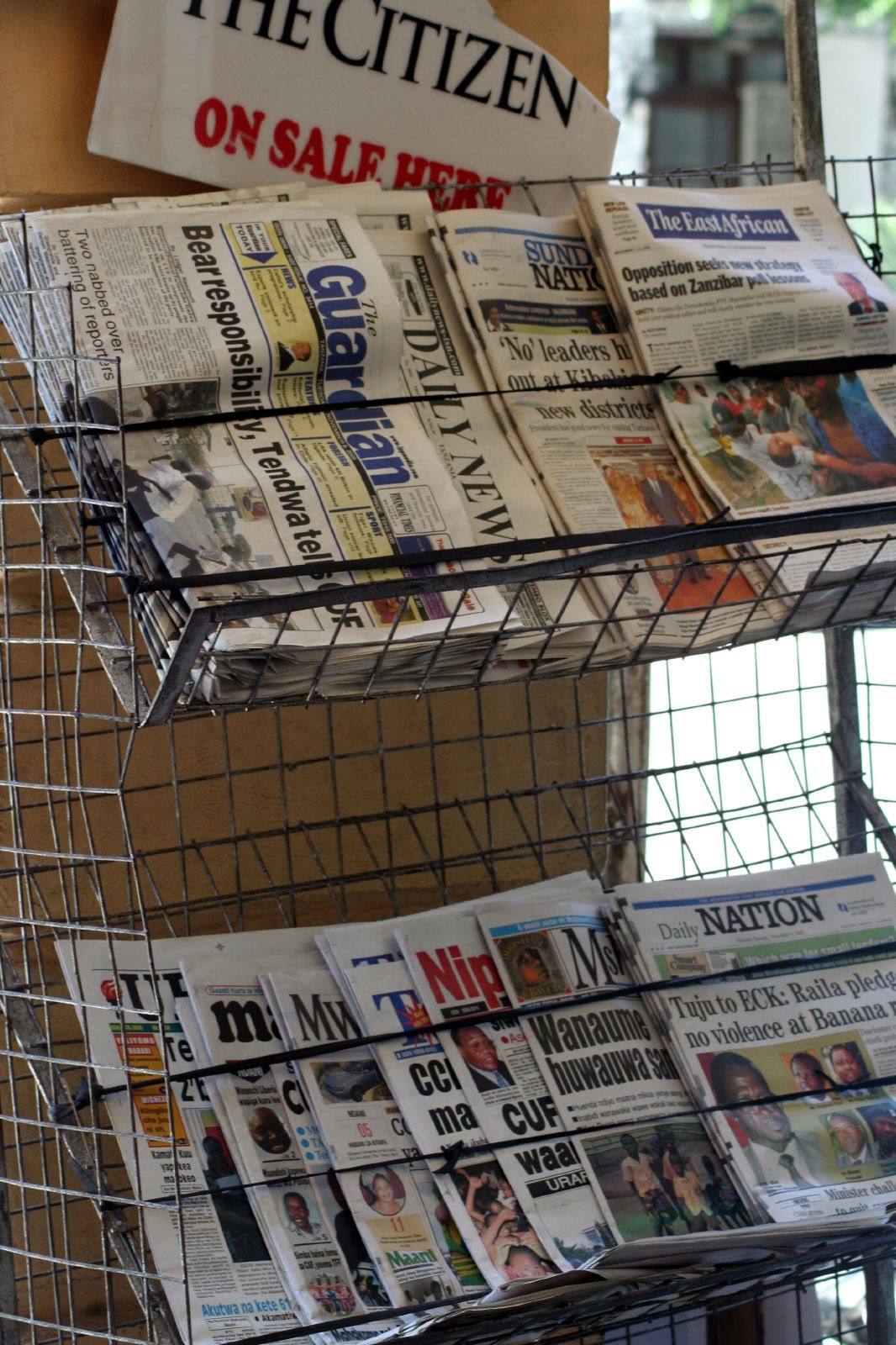
“Both parties seem more interested in scoring political points than in fostering a genuine dialogue.”
The Role of Media
The media landscape has also contributed to this problem, often prioritizing sensationalism over substance. News outlets are quick to cover the latest political battles but less inclined to explore the underlying issues in a nuanced manner. This leaves voters with a distorted understanding of the facts. For instance, coverage of the Iraq War often focuses on troop deployments and casualty counts but rarely delves into the broader implications of U.S. foreign policy or the voices of those impacted by the conflict.
The echo chamber effect further exacerbates the issue. Partisan news sources cater to their audiences by reinforcing existing beliefs rather than challenging them. This leads to a situation where individuals are fed a steady diet of selective facts that align with their political leanings, fostering polarization rather than encouraging a more balanced perspective.
A Call for Genuine Discourse
As we move forward, it is crucial for both politicians and media outlets to embrace honesty in rhetoric. Leaders on both sides must recognize that acknowledging past mistakes and the complexities of current issues can actually strengthen their positions. Voters deserve a candid assessment of policies rather than a sanitized version that omits inconvenient truths.
Furthermore, media organizations should strive to provide comprehensive coverage that presents multiple viewpoints. This would not only enhance public understanding but also empower citizens to engage in informed discussions about the issues that affect their lives. By fostering an environment where honesty prevails, we can begin to bridge the divides that have come to define our political landscape.
Conclusion
In the end, the responsibility lies with each of us as citizens to demand better from our leaders and from ourselves. We must hold them accountable for the narratives they present and require that they engage with the complexities of the issues at hand. The time for selective memory is over; honesty in rhetoric is what we need now more than ever.
✦ ✦ ✦