From the file. Written for the paper dated May 2004. Opened in the public stacks July 14, 2026.
As the trade deficit continues to widen, it becomes increasingly clear that both sides of the political aisle are failing in their oversight responsibilities, leaving American consumers and businesses vulnerable to economic pressures.
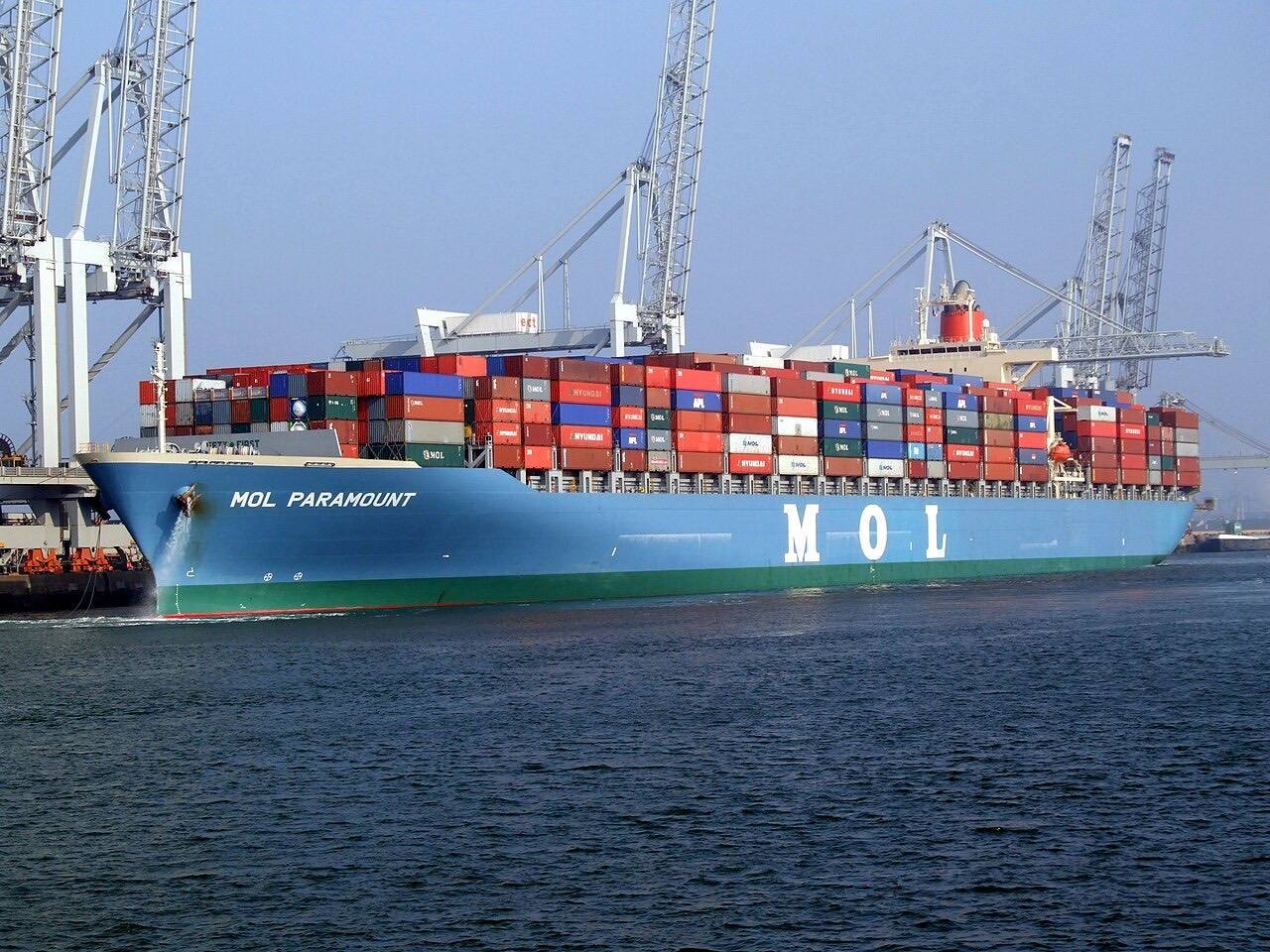
The Growing Trade Deficit
The U.S. trade deficit has reached alarming levels, with the latest figures indicating a deficit of over $50 billion in the first quarter of 2004 alone. This trend raises serious questions about the long-term sustainability of our economy, particularly as we face ongoing pressures from globalization and competition from emerging markets. While both political parties express concern over the issue, their proposed solutions often miss the mark, contributing to a cycle of inaction.
Political Posturing vs. Real Solutions
On one hand, Democrats have seized upon the trade deficit as a rallying point, blaming Republican policies for the situation. They argue that tax cuts and deregulation have undermined American manufacturing and led to job losses. Yet, their proposed solutions often veer into protectionism, advocating for tariffs that could stifle free trade and ultimately hurt American consumers. Such approaches overlook the complexities of the global market and could lead to retaliation from trading partners.
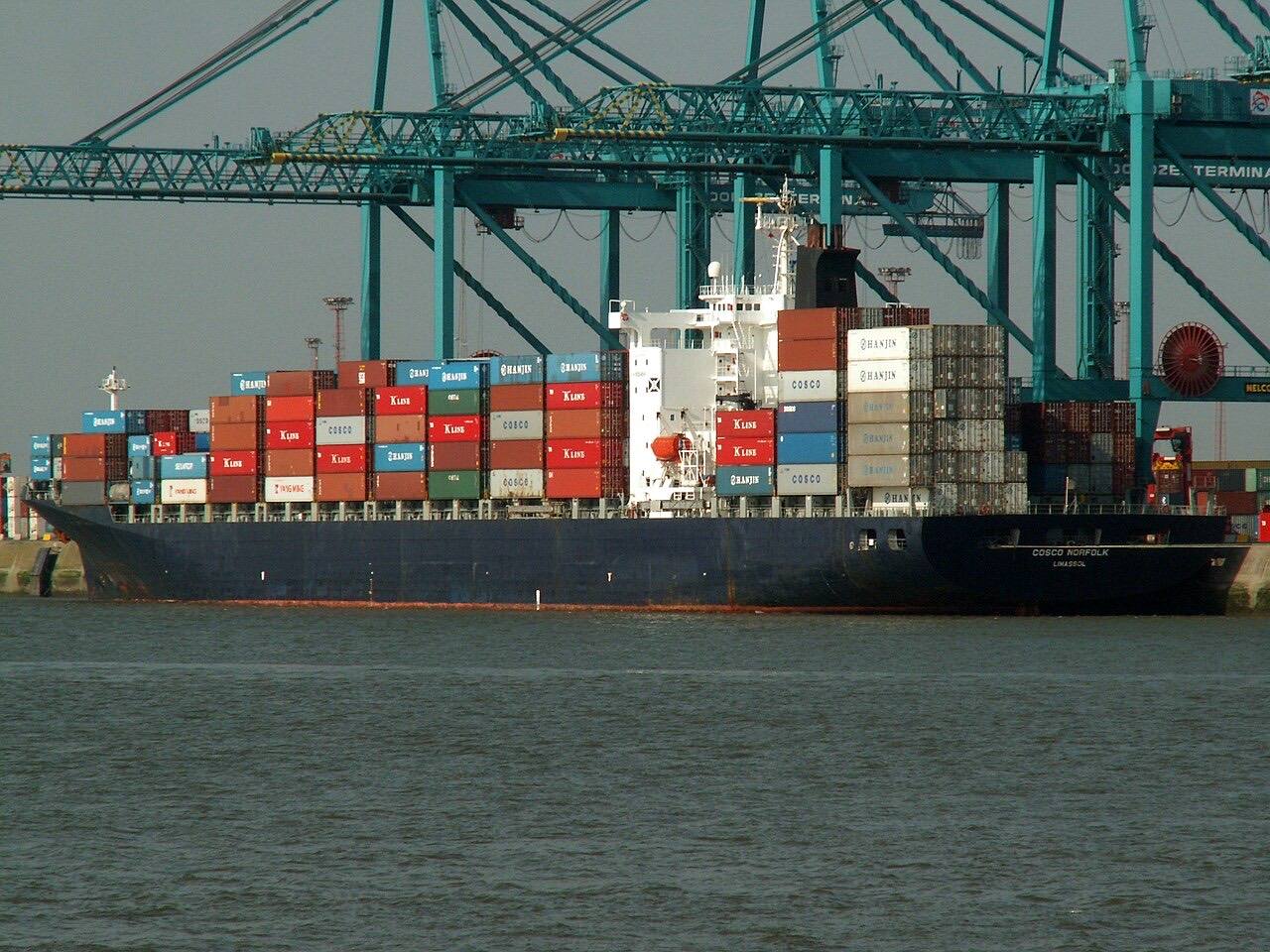
On the other hand, Republicans tend to focus on promoting free trade agreements, citing them as pathways to economic growth. However, they often ignore the immediate impacts on American workers and the industries that are being hollowed out. By prioritizing corporate interests over the needs of the average American, they risk alienating a growing portion of the electorate that feels left behind.
A Quiet Failure of Oversight
What is most concerning is the lack of genuine oversight from both parties. As the trade deficit grows, there seems to be a consensus that something needs to be done, yet very little is being accomplished. This lack of action can be attributed to the influence of lobbyists and special interests that prioritize short-term profits over long-term economic stability. The voices of ordinary Americans, who are most affected by these policies, are often drowned out in the political noise.
“The voices of ordinary Americans, who are most affected by these policies, are often drowned out in the political noise.”
Impact on American Consumers
The ramifications of a growing trade deficit are felt most acutely by American consumers. As imports flood the market, domestic manufacturers struggle to compete, leading to job losses and wage stagnation. The promise of lower prices for imported goods can be enticing, but it can come at a significant cost to local economies. The erosion of manufacturing jobs has a ripple effect, impacting everything from community stability to consumer confidence.
Globalization: A Double-Edged Sword
Globalization has undoubtedly brought benefits, such as access to a wider variety of goods and services. However, it has also created vulnerabilities that we are only beginning to understand. The trade deficit reflects not just an imbalance in goods, but also a deeper issue regarding our economic strategy and national priorities. As we continue to negotiate trade agreements, we must ask ourselves whether we are adequately protecting our workforce and industries.
Proposed Solutions
Addressing the trade deficit requires a balanced approach that considers both the benefits of free trade and the need for responsible oversight. Policymakers should prioritize investments in education and job training to equip American workers with the skills needed to thrive in a changing economy. Additionally, fostering innovation and supporting small businesses can help create a more resilient economic landscape.
Furthermore, more rigorous oversight of trade agreements is essential. Policymakers must ensure that these agreements include provisions that protect workers' rights and environmental standards. This will help mitigate the negative impacts on American industries while still allowing for the benefits of trade.
The Path Forward
As we navigate these turbulent economic waters, it is crucial that both parties work together to forge a path that prioritizes the well-being of American workers and consumers. The trade deficit is not just a number on a balance sheet; it represents real lives and livelihoods. We must strive for policies that enhance our competitive edge while ensuring that we do not leave our fellow citizens behind.
In conclusion, the trade deficit serves as a litmus test for our political leaders. It is imperative that we hold them accountable for their inaction and demand a more constructive dialogue that leads to tangible solutions. Only then can we hope to address the underlying issues and secure a prosperous future for all Americans.
✦ ✦ ✦