From the file. Written for the paper dated May 2004. Opened in the public stacks July 14, 2026.
In the wake of the recent national security leak, the discourse surrounding oversight and accountability has become a cacophony of blame and outrage. Yet, beneath the surface of this frenzy lies a quieter, more insidious failure of governance that transcends partisan lines.
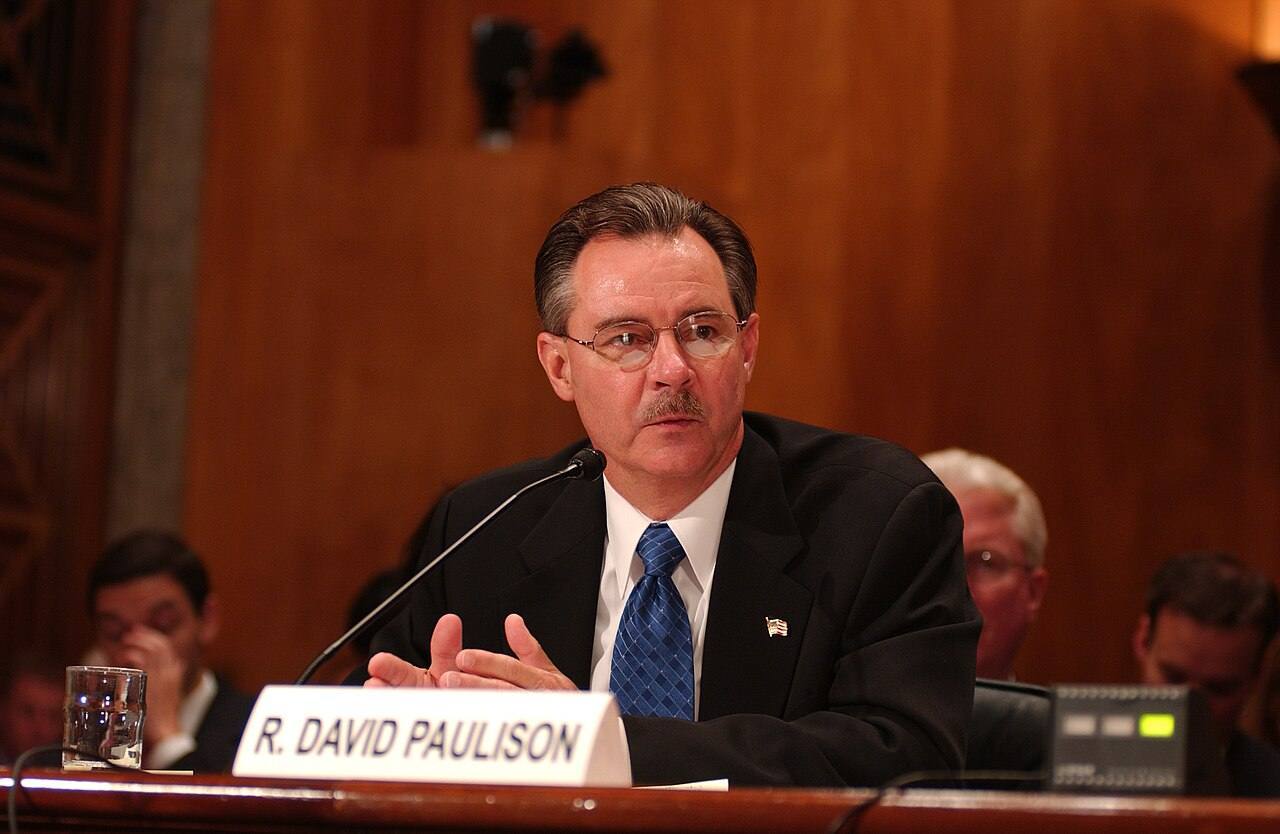
The Leaked Information: A Breach of Trust
The disclosure of sensitive information regarding national security operations has sparked a firestorm across the political spectrum. While the left decries the breach as evidence of a failed administration, the right focuses on the supposed treachery of whistleblowers and the media. Both sides, however, appear to be missing the forest for the trees.
At its core, the leak represents not just a failure of individuals but a systemic failure of oversight mechanisms designed to protect sensitive information. The lack of accountability and transparency in our national security apparatus has allowed information that should remain confidential to slip through the cracks.

Oversight: A Bipartisan Blind Spot
It is essential to recognize that this issue is not confined to one political party. Democrats and Republicans alike have contributed to a culture of negligence regarding the safeguarding of national secrets. The rush to politicize the leak has overshadowed the necessity for a comprehensive examination of how such sensitive materials are handled in the first place.
Both parties have, at various times, turned a blind eye to the erosion of oversight mechanisms. This leads to a dangerous environment where information can be mismanaged or mishandled without adequate checks in place. The result is a national security landscape that is vulnerable to both internal and external threats.
"We cannot afford to politicize the issue of national security leaks when the real problem is the failure of oversight."
Media: A Double-Edged Sword
The role of the media in this unfolding drama cannot be underestimated. In their rush to report sensational stories, some outlets have prioritized ratings over responsible journalism. This behavior feeds into a cycle where sensationalism undermines the very foundations of our democratic process.
However, it is also critical to acknowledge that the media serves as a necessary check on power. The challenge lies in finding a balance between responsible reporting and the need for transparency. When the media sensationalizes leaks without context, they contribute to a climate of fear and mistrust that ultimately harms the public discourse.
A Call for Reform
As we navigate the fallout from this leak, it is paramount that we initiate a serious discussion about the reforms needed to enhance oversight mechanisms. We must ask ourselves: How can we better safeguard sensitive information without compromising our democratic ideals?
One potential avenue for reform is the establishment of independent oversight committees that operate free from political influence. These bodies could play a critical role in ensuring that national security operations are conducted transparently and accountably. Moreover, they could help rebuild public trust in our institutions, which has been eroded by repeated failures.
Furthermore, greater emphasis must be placed on training and educating personnel about the importance of confidentiality and the implications of leaking sensitive information. A culture of accountability must be cultivated within the agencies responsible for national security.
Conclusion: Navigating a Complex Landscape
In a time of heightened tension and uncertainty, the conversation surrounding national security leaks must transcend partisan divides. The collective outrage should be directed not only at the individuals involved but also at the systemic failures that allowed this breach to occur. Only by addressing these underlying issues can we hope to prevent similar incidents in the future.
It is our responsibility as citizens to demand a more accountable and transparent national security framework. If we fail to learn from this moment, we risk repeating the same mistakes that have led us to this juncture. As we move forward, let us prioritize oversight as a principle that binds us, rather than a weapon to be wielded against one another.
✦ ✦ ✦